As the long summer days fade and temperatures start to drop, many gardeners think their growing season has come to an end. However, fall is one of the most rewarding times to grow vegetables especially for those who love fresh, flavorful produce straight from their backyard. With the right crops and a bit of planning, you can enjoy a thriving garden well into the cooler months.
In this guide, we’ll explore the best fall crops for backyard vegetable gardens, why fall gardening is beneficial, and how to prepare your soil and space for a bountiful harvest.
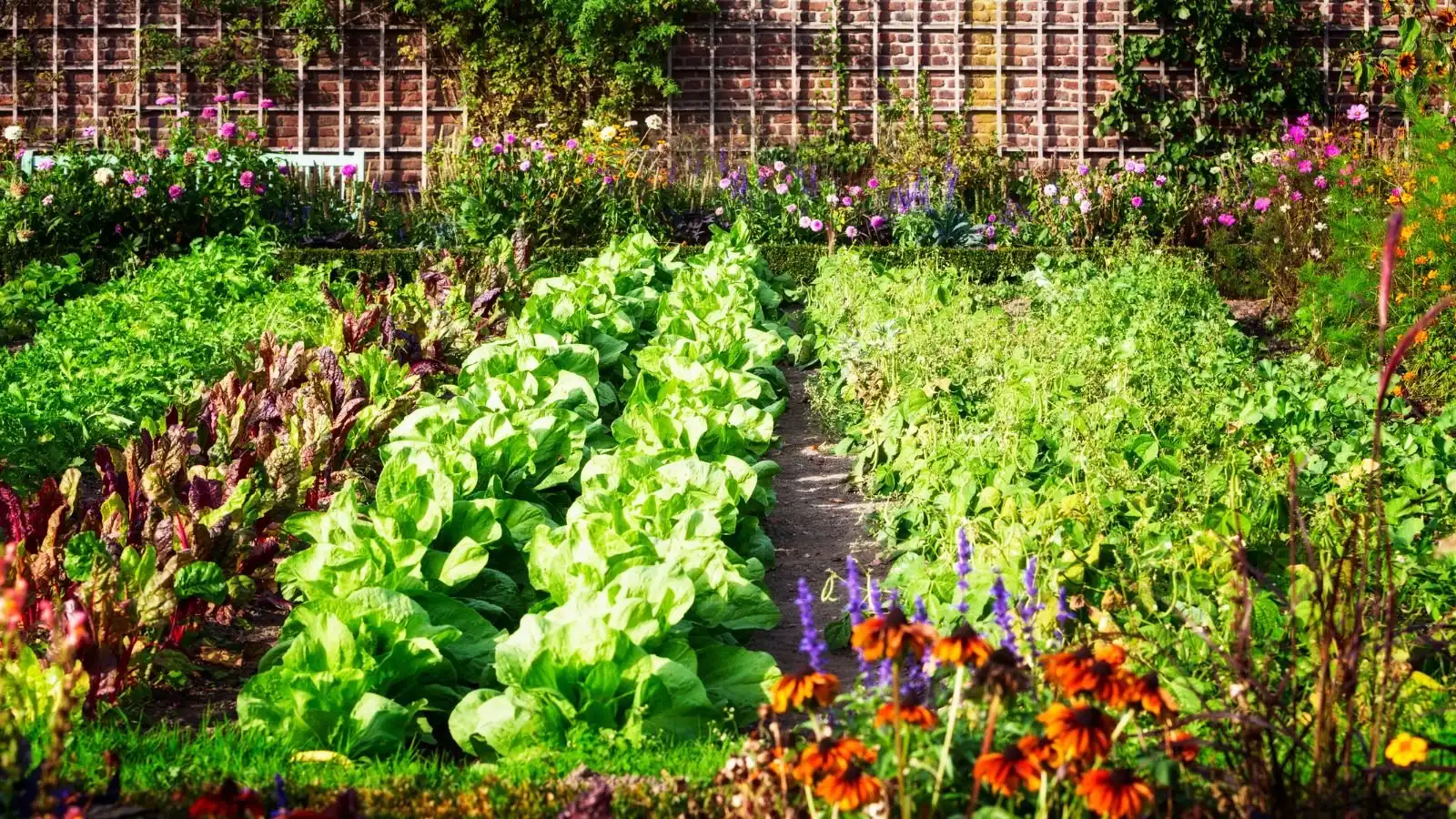
Why Grow Vegetables in the Fall?
Before diving into specific crops, it’s worth understanding why fall is such an ideal season for gardening.
1. Cooler Temperatures Mean Happier Plants
Many vegetables especially leafy greens and root crops prefer mild temperatures over scorching summer heat. Fall weather allows them to grow slowly and develop richer flavors.
2. Fewer Pests and Diseases
Common garden pests like aphids, beetles, and caterpillars decrease as the weather cools. This means less damage to your crops and fewer chemicals or interventions needed.

3. Easier Maintenance
Fall gardening usually requires less watering since cooler air helps retain soil moisture. You can spend less time maintaining and more time enjoying your garden.
4. Extend Your Harvest Season
By planting in late summer or early fall, you can extend your growing season and enjoy fresh produce before winter sets in.
Preparing Your Backyard Garden for Fall Planting
Before sowing seeds, proper preparation ensures a productive harvest.
1. Clear Out Spent Plants
Remove any plants that are past their prime. Old crops can harbor pests or diseases, so start with a clean slate. Compost healthy plant material and dispose of diseased parts separately.
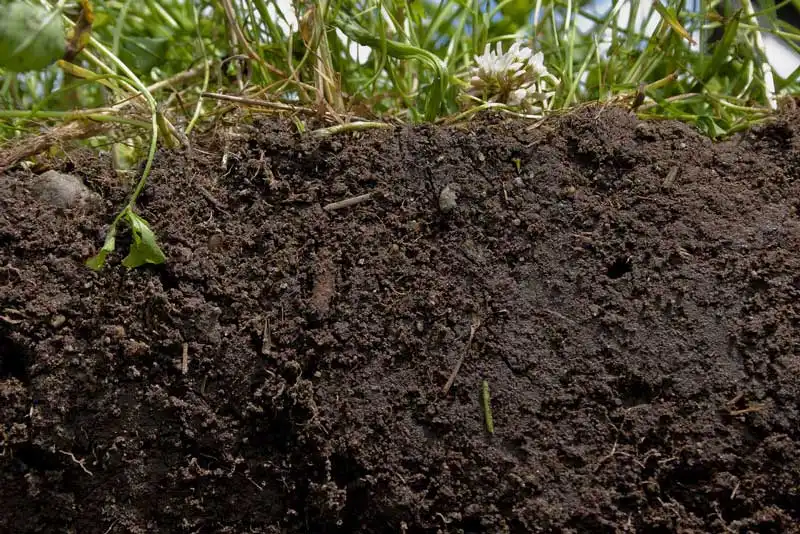
2. Refresh the Soil
After a summer of growth, your soil may be depleted of nutrients. Mix in compost, aged manure, or organic fertilizers to restore fertility and improve soil structure.
3. Check Sunlight and Layout
As fall approaches, the sun sits lower in the sky. Adjust your garden layout to ensure plants get enough sunlight especially south-facing areas.
4. Mulch and Protect
Use straw, shredded leaves, or wood chips to insulate soil and protect tender roots from cold snaps. Mulching also helps retain moisture and suppress weeds.
Best Fall Crops for Backyard Vegetable Gardens
Now that your garden is ready, let’s look at the best vegetables to plant in fall for a continuous harvest.
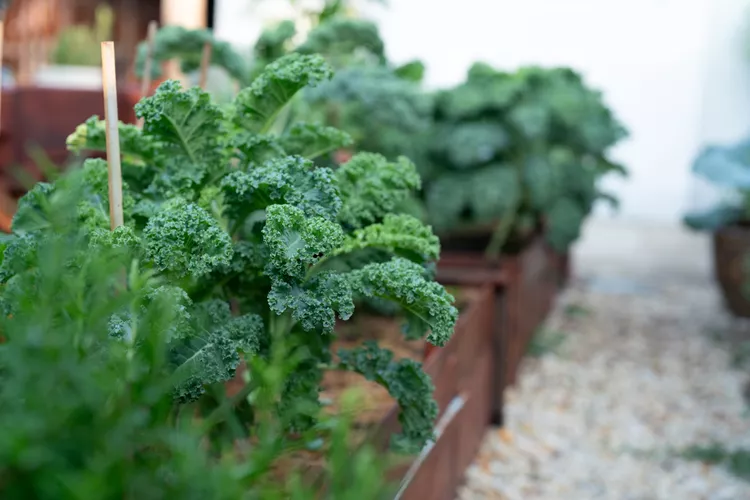
1. Kale
Why Grow It:
Kale is one of the hardiest greens, capable of surviving light frosts and even mild freezes. In fact, its flavor sweetens after a frost!
Planting Tips:
- Start seeds in late summer (6–8 weeks before the first frost).
- Grow in full sun for best flavor.
- Harvest outer leaves regularly to encourage growth.
Varieties to Try:
‘Lacinato’ (Dinosaur Kale), ‘Red Russian,’ and ‘Winterbor.’
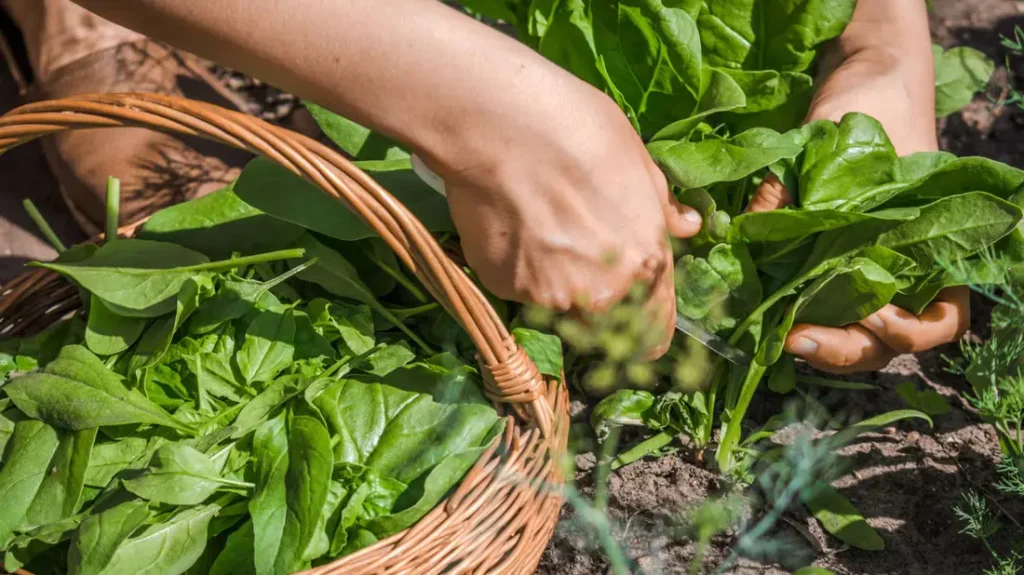
2. Spinach
Why Grow It:
Spinach thrives in cool weather and can even overwinter in mild climates. It’s packed with vitamins and perfect for salads, soups, and sautés.
Planting Tips:
- Sow seeds directly into the soil 4–6 weeks before frost.
- Keep soil moist for consistent germination.
- Harvest baby leaves in 25–30 days.
Varieties to Try:
‘Bloomsdale Long Standing,’ ‘Tyee,’ and ‘Giant Winter.’
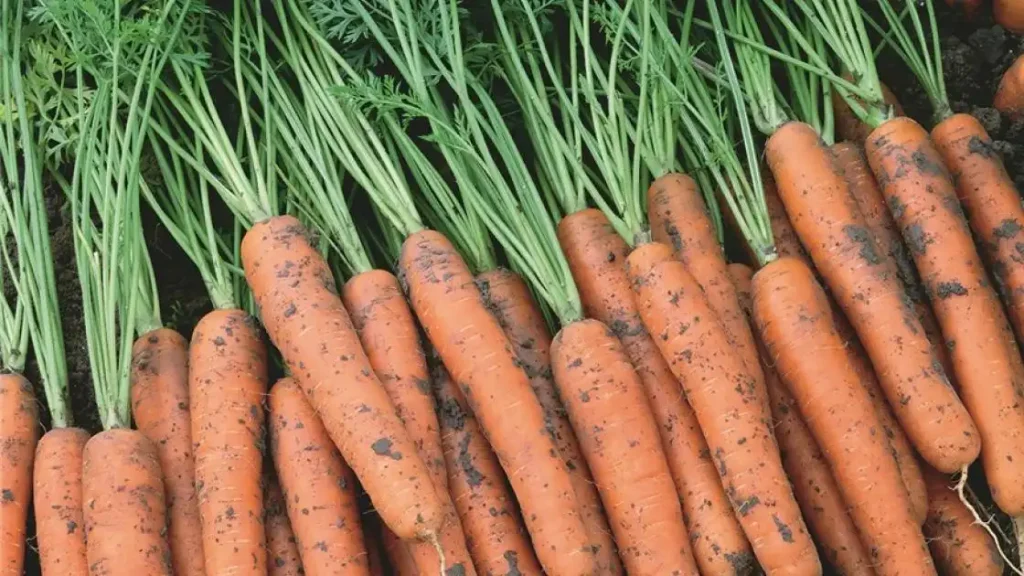
3. Carrots
Why Grow It:
Carrots become sweeter in cooler weather as they convert starches into sugars. They’re easy to store and perfect for soups or roasting.
Planting Tips:
- Plant seeds 10–12 weeks before the first frost.
- Keep soil loose and stone-free for straight roots.
- Leave some carrots in the ground for late fall harvests.
Varieties to Try:
‘Napoli,’ ‘Bolero,’ and ‘Danvers 126.’
4. Beets

Why Grow It:
Beets are a dual-purpose crop—you can eat both the roots and the greens. They thrive in the mild temperatures of fall.
Planting Tips:
- Direct sow seeds about 8 weeks before frost.
- Thin seedlings to 3–4 inches apart.
- Harvest roots when 2–3 inches in diameter.
Varieties to Try:
‘Detroit Dark Red,’ ‘Chioggia,’ and ‘Golden Beet.’
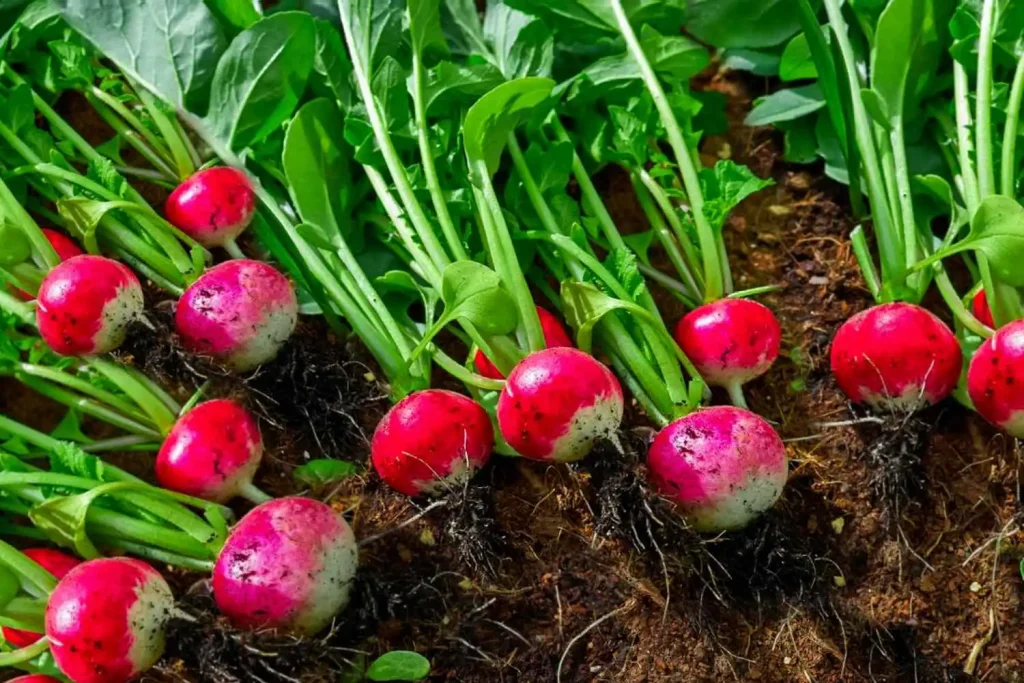
5. Radishes
Why Grow It:
Radishes are one of the fastest-growing crops—ready to harvest in as little as 25 days. They add a crisp, peppery flavor to salads and dishes.
Planting Tips:
- Sow seeds directly in the soil every two weeks for continuous harvests.
- Keep soil moist but not waterlogged.
- Avoid hot weather, which causes bitterness.
Varieties to Try:
‘Cherry Belle,’ ‘French Breakfast,’ and ‘Daikon.’
6. Lettuce

Why Grow It:
Fall is lettuce season! The cooler weather prevents it from bolting and produces tender, flavorful leaves.
Planting Tips:
- Start seeds indoors or sow directly in partial shade.
- Choose loose-leaf varieties for quick harvests.
- Protect from frost using row covers if needed.
Varieties to Try:
‘Buttercrunch,’ ‘Romaine,’ and ‘Red Leaf.’
7. Broccoli

Why Grow It:
Broccoli loves cool weather and becomes more flavorful after a light frost. It’s rich in vitamins A, C, and K.
Planting Tips:
- Transplant seedlings 8–10 weeks before the first frost.
- Water consistently for steady growth.
- Harvest the main head before flowers open, then enjoy side shoots later.
Varieties to Try:
‘Calabrese,’ ‘Di Cicco,’ and ‘Green Magic.’
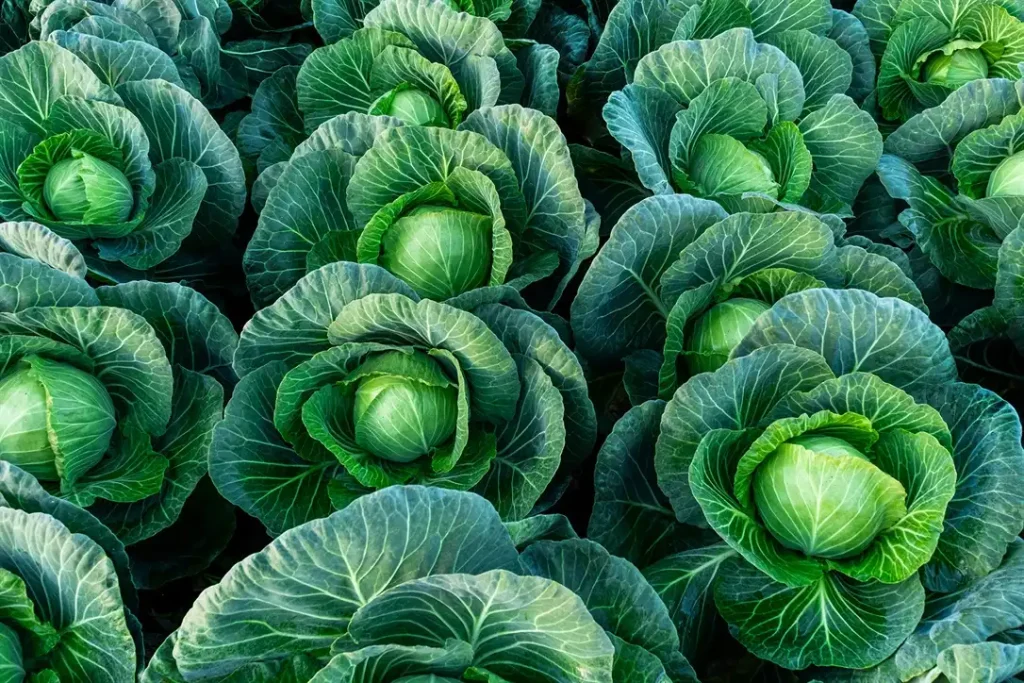
8. Cabbage
Why Grow It:
Cabbage is a cold-hardy vegetable that stores well and adds crunch to slaws and soups.
Planting Tips:
- Start seeds indoors in mid-summer and transplant to the garden in late summer.
- Keep soil consistently moist.
- Use netting to protect from cabbage worms.
Varieties to Try:
‘Golden Acre,’ ‘Savoy,’ and ‘Red Express.’
Benefits of Growing Fall Vegetables
- Sustainable Living: Growing your own food in fall reduces reliance on store-bought produce and promotes eco-friendly gardening.
- Nutrient-Rich Harvests: Cool-weather vegetables are often packed with vitamins and minerals.
- Less Competition: Fewer weeds and pests mean healthier plants.
- Improved Flavor: Cold temperatures enhance the sweetness and texture of many crops.
Conclusion
Fall gardening isn’t just for experienced growers, it’s an opportunity for anyone with a backyard to enjoy fresh, healthy produce beyond summer. By planting the best fall crops for backyard vegetable gardens, you’ll make the most of cooler weather, reduce pests, and enjoy delicious harvests deep into autumn.
With a little preparation and care, your garden can stay vibrant, productive, and beautiful all season long. So grab your tools, plant those seeds, and let your backyard flourish even as the leaves begin to fall.