Many people want to grow their own food, looking for ways that are good for the earth. You probably care about eating healthy, clean produce right from your backyard. Biodynamic gardening offers a powerful, nature-friendly way to do just that. It goes much deeper than basic organic methods, truly connecting you with your garden.

This special gardening method sees your garden as one big, living thing. It focuses on really healthy soil, lots of different plants and bugs, and even works with natural cycles like the moon. Rudolf Steiner first talked about these ideas almost a hundred years ago. His insights help gardens thrive.
This article will walk you through starting your own biodynamic garden at home. We will break down this smart approach into simple steps. You’ll see how easy it is to bring biodynamic gardening practices to your own patch of green.
Understanding Biodynamic Gardening Principles
What is Biodynamic Gardening?
Biodynamic gardening is a whole-picture way to grow things. It looks at your garden as an entire, working system. This method is all about making the land rich, being kind to nature, and growing food the right way. It focuses on making your garden self-sufficient and full of life.
Key ideas here include treating your plot as a living creature. Soil fertility is super important. You also consider unseen forces, like those from space. There’s even a spiritual and ethical side to how you grow your food.
The Farm as an Organism (Garden as an Organism)

Think of your garden not as separate plants, but as a single, breathing entity. Every part works together, just like organs in a body. The soil, the plants, the tiny bugs, even the local birds, all play a role. They all need each other to be healthy.
Your garden aims to be a closed system as much as possible. This means relying on its own resources. So, you might turn garden waste into compost right on site. Looking at your garden as one connected ecosystem helps you make better choices for all its parts.
Beyond Organic: Key Differences
While organic gardening avoids harmful chemicals, biodynamic goes further. It adds unique elements that make a big difference. This method uses special preparations, for example. These are like natural power-ups for soil and plants.
Biodynamic gardeners also pay close attention to cosmic rhythms. They might plant or harvest based on moon phases and planet positions. This extra layer of care helps create a truly lively and productive garden. The way each garden is seen as unique, along with a strong ethical focus, really sets it apart.
Essential Biodynamic Preparations
Overview of the Biodynamic Preparations

The biodynamic preparations are a special part of this gardening style. These are natural substances used in small amounts. They help boost soil life, plant health, and the garden’s overall energy. There are eight main preparations, numbered 500 to 508.
They are added to compost or sprayed directly on the garden. You mix them with water in a specific way, called “dynamization” or “vortexing.” This helps spread their vital energy. They truly make your biodynamic garden unique.
Making and Using the Compost Preparations (500 & 501)
Two preparations are cornerstones for home gardeners: horn manure (500) and horn silica (501). Preparation 500 helps soil life and root growth. You can buy it ready-made from biodynamic suppliers or make it yourself. It comes from cow manure fermented in a cow horn underground over winter. You spread it on the soil in the fall or spring.
Preparation 501 helps plants absorb light and grow strong. It’s ground quartz crystal, also fermented in a cow horn. This one you spray on leaves in spring and summer. Organizations like Demeter certify high-quality biodynamic products. Check their site to find trusted sources for these key preparations.
Other Compost Preparations (502-507)
Beyond 500 and 501, six other preparations aid your compost pile. They each bring special properties. Yarrow (502) helps plants use potassium and sulfur. Chamomile (503) supports calcium processes and nitrogen retention. Stinging nettle (504) brings in trace elements and helps plant sensitivity.
Oak bark (505) boosts resistance to plant diseases. Dandelion (506) helps plants use silica and supports connection to the earth. Valerian (507) brings warmth and phosphorus activity to your compost. For beginners, it’s smart to focus on 500 and 501 first. Then, slowly add the others as you get more comfortable.
Implementing Biodynamic Practices in Your Garden
Soil Health: The Biodynamic Foundation
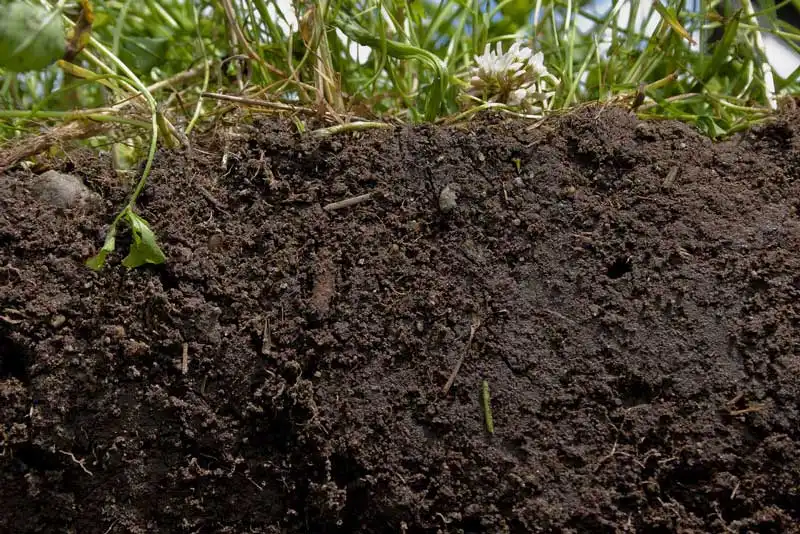
Healthy, living soil is super important in biodynamic gardening. It’s the true heart of your garden’s health. You want to build up humus, which is rich, dark soil material. This helps grow tons of good microbes and improves how water moves through your soil. Strong soil means strong plants.
Adding lots of compost is a great way to do this. You can also plant cover crops, like clover, in empty garden beds. These plants protect the soil and add nutrients back. Studies suggest biodynamic farms often have more diverse soil microbes. This makes the soil more alive and productive.
Planting Calendars and Cosmic Rhythms
Biodynamic gardening often uses a special planting calendar. This calendar guides gardeners on the best times for different tasks. It links what you do in the garden to the moon’s phases and planet positions. You’ll see days marked for “root,” “leaf,” “flower,” and “fruit” tasks.
For example, you might choose to plant radishes on a root day when the moon is in an earth sign. This helps them grow strong roots. Leafy greens like lettuce do well when planted on leaf days. Using one of these calendars can help you notice how different planting times affect your crops. Many reputable sources offer these helpful planting guides.
Biodiversity and Companion Planting

Creating a varied garden ecosystem is key to biodynamic success. It’s like having many different friends in your garden. This mix of plants helps attract good bugs that eat pests. It also improves plant health and can even boost flavors. You want a garden that hums with life.
Planting different types of flowers, herbs, and vegetables together is a good idea. Marigolds might keep some bad bugs away. Basil planted near tomatoes can help them grow better. This thoughtful planning helps create a balanced, happy garden, making it less likely to have major pest or disease problems.
Common Biodynamic Gardening Tasks
Composting the Biodynamic Way
Making compost is super important for a biodynamic garden. It turns kitchen scraps and yard waste into rich food for your soil. To make biodynamic compost, you layer green and brown materials. Think grass clippings, food waste, leaves, and wood chips. Then, you add the special biodynamic compost preparations.
These preparations quicken the process and improve the compost’s quality. Turn your compost pile regularly to add air. A simple pile can be made with equal parts green and brown stuff, plus a little soil. You can learn more about making biodynamic compost by looking at online guides.
Applying Biodynamic Sprays
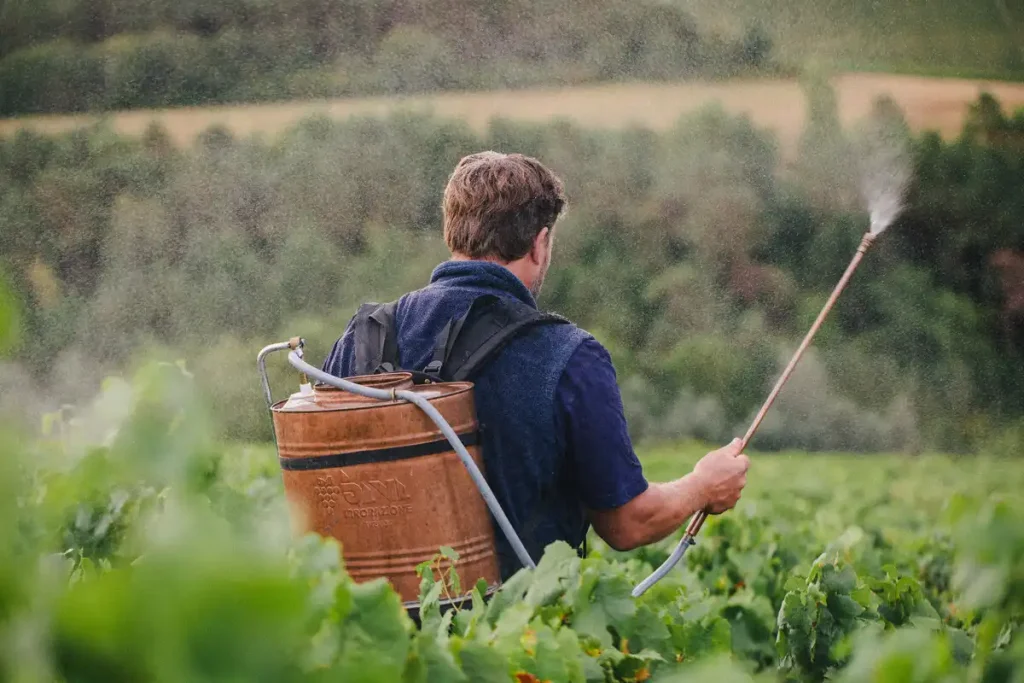
You use preparations 500 and 501 not just in compost, but as sprays too. Preparation 500, the horn manure, wakes up the soil. You mix a tiny bit with water and stir it vigorously for an hour. Then, you spray it directly onto the soil in the late afternoon or evening. This is best done in fall or spring.
Preparation 501, the horn silica, helps plants gather sunlight and grow healthy leaves. You also mix and stir this one in water for an hour. You spray it finely onto plants in the early morning, often when plants are actively growing. This helps them resist pests and diseases.
Pest and Disease Management
A healthy biodynamic garden naturally resists pests and diseases. Instead of spraying harsh chemicals, you focus on prevention. How? By building strong soil and encouraging lots of biodiversity. A truly healthy garden ecosystem is its own best defense against pests and diseases.
Think of it like this: healthy plants grown in living soil are less stressed. They become tougher. Beneficial insects, birds, and other creatures also help keep pests in check. For example, ladybugs love to eat aphids. Creating habitats for these helpers is a smart, gentle way to manage your garden.
Getting Started: A Biodynamic Garden Plan
Assessing Your Garden Space

Before you dig in, take a good look at your garden. How much sun does it get each day? Some plants need full sun, others like a little shade. What kind of soil do you have? Is it sandy, clay, or something in between? Knowing this helps you pick the right plants.
Consider how much space you really have. Even a small balcony can host a few biodynamic pots. A simple soil test can tell you a lot about what your dirt needs. This way, you can start with a clear picture of your garden’s potential.
Choosing Your First Biodynamic Crops
When you begin, it’s smart to pick plants that are easy to grow. Think about quick-growing vegetables or herbs that do well in home gardens. Lettuce, radishes, bush beans, or parsley are all great choices for beginners. They don’t need too much fuss.
Start small, maybe with just three to five different types of plants. This keeps things from feeling overwhelming. As you get the hang of biodynamic methods, you can add more variety. This approach helps you learn step-by-step.
Sourcing Biodynamic Seeds and Supplies
Finding the right supplies is easy once you know where to look. Many seed companies now offer biodynamic or open-pollinated organic seeds. These seeds are important for true biodynamic growing. Look for seeds that haven’t been treated with chemicals.

You can buy biodynamic preparations from trusted online stores or directly from biodynamic associations. Demeter USA is a good place to find certified products and suppliers. Local biodynamic groups might also sell preparations or connect you with gardeners who do.
Conclusion
Starting biodynamic gardening at home opens up a world of benefits. You’ll grow healthier, tastier food and build incredibly rich soil. Your garden will buzz with life, thanks to more biodiversity. Plus, you’ll feel a deeper connection to nature and its rhythms.
Remember, biodynamic gardening is a journey, not a race. It takes patience and keen observation. Don’t worry about doing everything perfectly right away. Each step you take towards these practices helps your garden. Even small changes can lead to huge improvements in its health and energy. Dive in and enjoy watching your garden come alive!