How to Build a Garden That Gives Back More Than It Takes
Most people garden to grow food, beautify their space, or connect with nature. But gardens can be far more powerful than that. With the right approach, your garden can become a carbon-positive gardening, meaning it stores more carbon than it emits. This is the heart of regenerative gardening, a method rooted in rebuilding soil health, restoring biodiversity, and healing ecosystems rather than simply sustaining them.

In this comprehensive guide, we’ll explore what carbon-positive gardening is, why it matters, and how you can apply regenerative practices at home. Whether you have a small urban garden or a large backyard, these methods will help your soil store carbon, nourish plants naturally, and contribute to a healthier planet.
Principles of Carbon-Positive Gardening
Regenerative gardening works by restoring natural cycles. Below is an overview of the core principles.
1. Disturb the Soil as Little as Possible
Minimizing digging or tilling preserves soil structure, allowing fungi, bacteria, and earthworms to thrive. These organisms capture carbon and store it in long-term soil aggregates.
2. Keep the Soil Covered
Bare soil loses carbon rapidly. Cover crops, mulches, and leaf litter protect the soil and increase carbon storage.
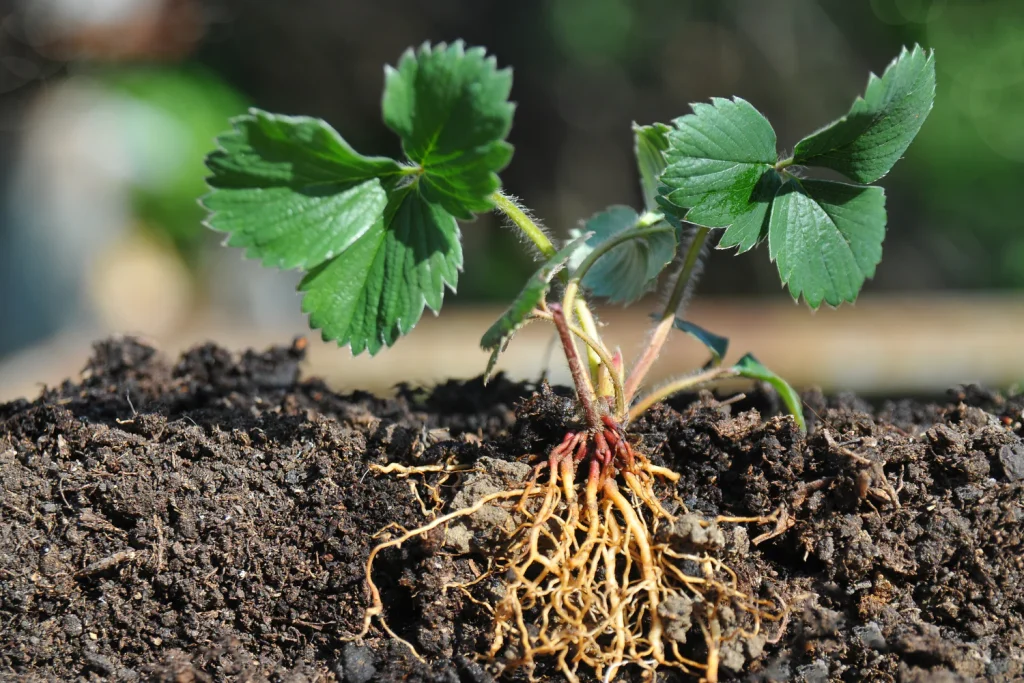
3. Keep Roots in the Ground Year-Round
Roots exude carbon compounds that feed soil life. More living roots = more carbon stored.
4. Use Organic Materials Instead of Chemicals
Compost, mulch, and natural amendments protect the soil. Synthetic fertilizers and pesticides, on the other hand, disrupt microbes and increase emissions.
5. Increase Biodiversity
More plant species mean more root structures, more habitat, and more carbon sequestration.
6. Integrate Perennials
Perennials pull carbon deeper into the soil and remain productive year after year.
Regenerative Practices to Build a Carbon-Positive Garden
Below are practical steps you can begin using today.

1. Build Soil with Compost and Mulch
Adding compost enriches soil with organic carbon sources and boosts microbial activity. Mulching with leaves, straw, or wood chips protects soil moisture and reduces carbon loss.
Tips:
- Never leave soil bare.
- Apply 2–4 inches of mulch every season.
- Use yard waste to reduce carbon footprint.
2. Switch to No-Till Gardening
Tilling exposes stored carbon to oxygen and microbes, allowing it to escape as CO₂. No-till gardening prevents this loss and supports fungi like mycorrhizae, which sequester carbon deep in the soil.
How to start:
- Let earthworms do the soil work.
- Build raised beds filled with organic matter.
- Layer cardboard + compost for new garden beds.
3. Plant Perennials and Deep-Rooted Species
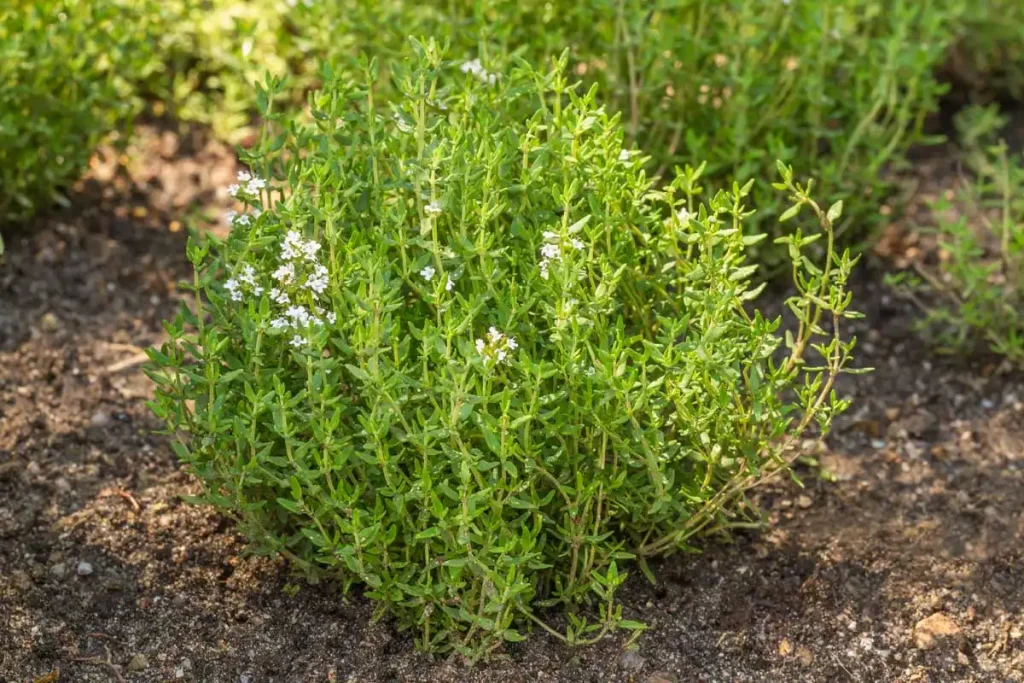
Perennials store much more carbon than annuals because they maintain root systems year-round.
Examples of high-carbon-storing plants:
Herbs like rosemary, thyme, and sage
- Native grasses
- Berry bushes
- Fruit trees
4. Use Cover Crops in Off-Seasons
Cover crops like clover, vetch, or rye keep soil covered and feed microbes even when you’re not actively growing vegetables.
They:
- Store carbon in roots and shoots
- Prevent erosion
- Increase nitrogen levels
- Add biomass

5. Encourage Biodiversity
A diverse garden builds a resilient ecosystem capable of storing and cycling carbon efficiently.
Ways to increase diversity:
- Add bird feeders and water sources
- Plant polycultures instead of monocultures
- Grow flowers alongside vegetables
- Build insect habitats
6. Manage Water Regeneratively
Water plays a major role in carbon cycling. Soil rich in organic matter holds water better, reducing runoff.
Water-smart techniques:
- Mulching to conserve moisture
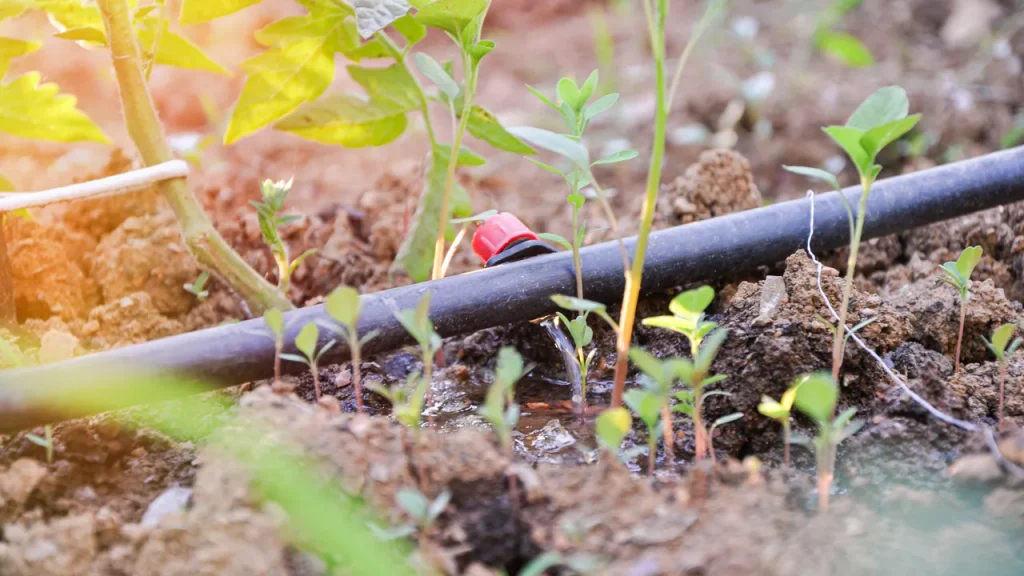
- Drip irrigation
- Swales & rain gardens
Regenerative Amendments and Their Benefits
| Amendment | Benefits | Carbon Contribution |
|---|---|---|
| Compost | Adds nutrients, boosts microbes | High |
| Biochar | Long-term carbon storage | Very High |
| Leaf Mold | Improves moisture retention | Medium–High |
| Wood Chips | Long-lasting mulch and fungal support | High |
| Green Manure | Adds nitrogen and organic matter | Medium–High |
Final Thoughts
Carbon-positive gardening is more than a trend—it’s a movement toward a healthier planet and more resilient gardens. By using regenerative practices, gardeners can transform their spaces into carbon-absorbing, biodiversity-rich ecosystems that last for generations.
From composting and no-till methods to planting cover crops and encouraging biodiversity, every small step plays a role in healing the soil and restoring balance. With intention and consistency, your garden can become a source of climate hope, environmental regeneration, and natural abundance.