Understanding Succulents: What Makes Them Unique
Succulents are a fascinating group of plants known for their ability to store water in their thick, fleshy leaves, stems, or roots. This adaptation allows them to thrive in arid conditions where most plants would struggle. You’ll notice their unique traits, including a variety of geometric shapes, vibrant colors, and textures that range from smooth to spiky. In this guide, we will explore how to care for succulents.

Most succulents are native to dry regions, like deserts and rocky landscapes. They’ve evolved to minimize water loss through specialized features, such as:
- Waxy coatings that reduce water evaporation.
- Shallow root systems to quickly absorb any available moisture.
- Photosynthesis at night (CAM cycle) to conserve water.
Understanding these characteristics helps you care for them effectively while appreciating their resilience and aesthetic charm.
Choosing the Right Succulent for Your Space
When selecting a succulent, you need to consider your environment. Start by assessing the natural light available.
- Bright, sunny spots: Opt for sun-loving varieties like Echeveria or Sedum. They thrive in direct sunlight.
- Low-light areas: Choose adaptable species like Haworthia or Snake Plant, which tolerate minimal light.
Think about the space size.
- Smaller options, such as Lithops or Jade Plant, work well for desks or shelves.
- Larger varieties, like Aloe Vera, suit open spaces or corners.
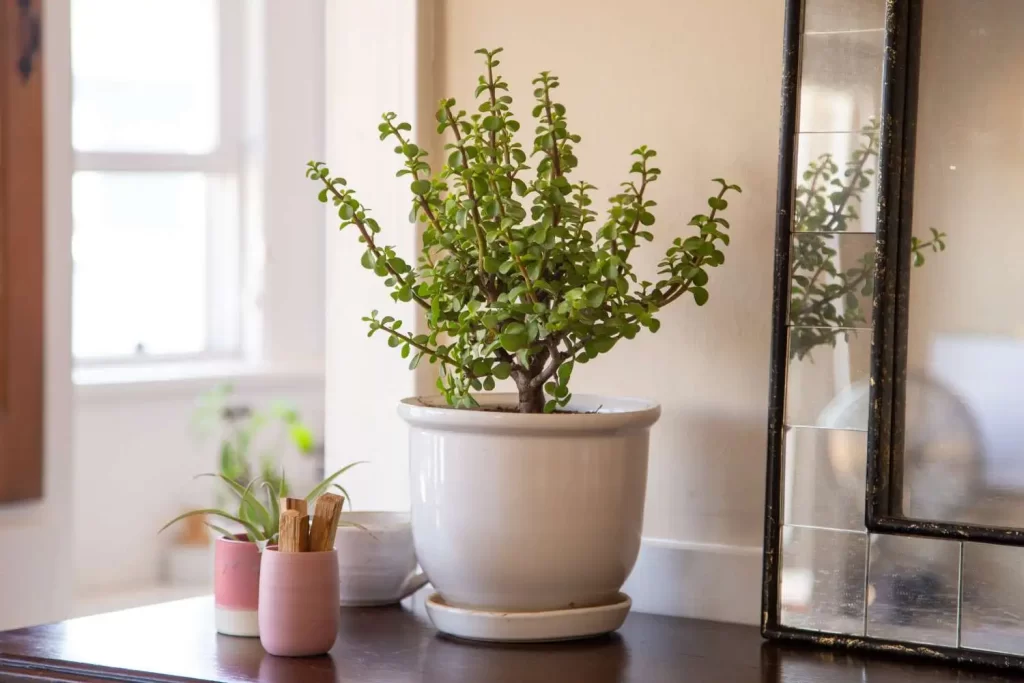
Check indoor temperature and humidity. Many succulents prefer warm, dry conditions. Finally, assess your time for care; low-maintenance species, like Burro’s Tail, are ideal for busier lifestyles.
Essential Tools and Supplies for Caring for Succulents
Caring for succulents starts with having the right tools and supplies. Here’s what you need to ensure a thriving plant:
- Well-Draining Soil: Use cactus or succulent-specific soil to prevent water retention.
- Pots with Drainage: Choose pots with holes to allow water to escape easily.
- Watering Can with a Narrow Spout: A controlled flow prevents overwatering.
- Grow Lights (Optional): Use full-spectrum lights if natural light is insufficient.
- Small Gardening Tools: Tweezers, mini-spades, or small brushes simplify soil adjustment and debris removal.
- Fertilizer: Use a diluted succulent-specific fertilizer during the growing season.

These tools create an ideal environment for your succulents to thrive.
The Importance of Proper Soil for Succulent Growth
Succulents thrive in soil that mimics their natural arid environment. Using regular potting soil can retain too much moisture, putting your plants at risk of root rot. You should opt for well-draining soil designed specifically for cacti and succulents or create your own mix. Combine coarse sand, perlite, and potting soil in equal parts for optimal drainage. Proper soil ensures water flows freely and prevents waterlogging. Look for soil that dries out quickly after watering, as this helps replicate the dry conditions succulents prefer. Always check the drainage holes in your pots to enhance the soil’s effectiveness for healthy growth.
How to Water Succulents Correctly
Watering succulents requires precision because overwatering can quickly lead to root rot. Follow these steps to ensure your succulents thrive:

- Determine soil dryness: Insert your finger into the soil; only water if it feels completely dry. Succulents store water in their leaves and don’t need constant hydration.
- Use the soak-and-dry method: Water thoroughly until excess drains out, then let the soil dry completely before watering again.
- Avoid the leaves: Water at the base of the plant to prevent moisture from sitting on leaves, which can cause rot.
- Adjust for seasons: Water less in winter, as succulents rest during colder months.
Lighting Requirements: Finding the Perfect Spot for Your Succulents
Succulents love sunlight, but not all can tolerate intense, direct rays for extended periods. Aim to place your succulents in a spot with bright, indirect light for at least 4-6 hours daily.
- Indoors: Position your succulents near south- or east-facing windows for optimal sunlight exposure. If natural light is limited, consider using a grow light.
- Outdoors: Gradually acclimate your plants to full sun to prevent sunburn, especially if they were previously indoors.
Watch for signs like stretching stems or faded colors—these indicate a need for brighter light. Always adapt the placement based on your plant’s specific needs.
Temperature and Humidity Considerations for Succulent Care
Succulents thrive in warm and dry conditions, making temperature and humidity crucial to their care. Aim to keep your succulents in temperatures between 60°F (15°C) and 80°F (27°C) for optimal growth. They can tolerate cooler nights but should never be exposed to freezing temperatures, as frost can damage their tissues.
Low humidity is ideal for succulents since high moisture levels can lead to rot. If you live in a humid climate, ensure good air circulation to prevent fungal issues. Use a dehumidifier or grow them indoors near a fan if needed. Always monitor environmental changes during seasonal shifts.
Fertilizing Succulents: Do’s and Don’ts
Fertilizing succulents properly ensures healthy growth and vibrant colors. Follow these essential guidelines:
Do’s:
- Use a balanced fertilizer: A diluted, water-soluble fertilizer with a 10-10-10 formula works well.
- Fertilize during the growing season: Typically spring and summer are ideal for most succulents.
- Apply sparingly: Succulents don’t need much fertilizer; once every 4-6 weeks is sufficient.
Don’ts:
- Avoid over-fertilizing: Over-fertilization can damage roots and cause stretching (etiolation).
- Don’t fertilize dormant succulents: Winter dormancy means minimal nutrient needs.
- Skip nitrogen-heavy fertilizers: Excess nitrogen can lead to weak stems and loss of structure.

Staying mindful of these practices will help your succulents thrive without compromising their distinctive beauty.
Common Succulent Problems and How to Fix Them
- Overwatering: Succulents can rot if you water them too often. Check that the soil is fully dry before watering again. Use pots with drainage holes to prevent roots from sitting in water.
- Underwatering: Wrinkled leaves and dry stems are signs your succulent is thirsty. Slowly increase watering frequency, ensuring the soil absorbs moisture without becoming soggy.
- Lack of Sunlight: If your plants look stretched or pale, reposition them closer to a bright, sunny spot. Ensure they get 4–6 hours of indirect light daily to flourish.
- Pest Issues: Mealybugs or aphids may harm your plants. Remove pests with a cotton swab dipped in rubbing alcohol, or use insecticidal soap to address infestations.
Repotting Succulents: When and How to Do It
Repot your succulents when their growth slows or roots outgrow the pot. Typically, this happens every one to two years. Choose a pot with drainage holes and use a well-draining soil mix, such as cactus soil. Remove the plant gently, loosening old soil from the roots without breaking them. Inspect for rotting roots and prune them if necessary. Place the succulent in the new pot, ensuring it’s not buried too deep. Water lightly after a week to allow the roots to settle. Avoid repotting during dormancy or extreme temperatures for healthier plants. Repeat maintenance as needed.

Propagating Succulents: Expand Your Collection
Propagating succulents is an exciting way to grow your collection with minimal effort. To begin, choose a healthy parent plant. Use clean scissors or a knife to remove a leaf or a stem cutting near the base of the plant. Let your cutting dry for a few days until the wound calluses—this prevents rot when planting.
Plant the cutting in well-draining soil, and mist lightly. Place it in indirect light, avoiding direct sun to prevent damage. Water sparingly until roots develop. You can also propagate succulents using offsets or pups, which grow at the plant base, by carefully separating and replanting them.
Seasonal Care Tips for Succulent Plants
Succulents require adjustments in care as seasons change. Here’s a guide to help you:
Spring and Summer
- Watering: Increase watering frequency as growth accelerates, ensuring soil dries between watering.
- Sunlight: Place your succulents where they receive bright, indirect light.
- Fertilization: Apply a diluted succulent fertilizer once a month to encourage growth.

Fall and Winter
- Watering: Reduce watering since plant growth slows. Overwatering can cause root rot.
- Lighting: Move plants closer to windows if natural light diminishes.
- Temperature: Keep them in spaces above 50°F to avoid cold stress.
Adapting to seasonal changes ensures your succulents thrive year-round.
Arranging Succulent Displays: Creative Ideas for Your Home
Transform your space by using succulents as decorative elements in a variety of creative ways. Start with selecting containers that enhance your home’s style; try geometric terrariums, vintage teacups, or driftwood planters. Arrange your succulents by mixing shapes, sizes, and textures for an eye-catching visual contrast.
Consider layering different types of soil and pebbles in clear glass vessels for added aesthetic appeal. For small spaces, wall-mounted succulent frames or hanging planters free up surfaces while showcasing greenery.
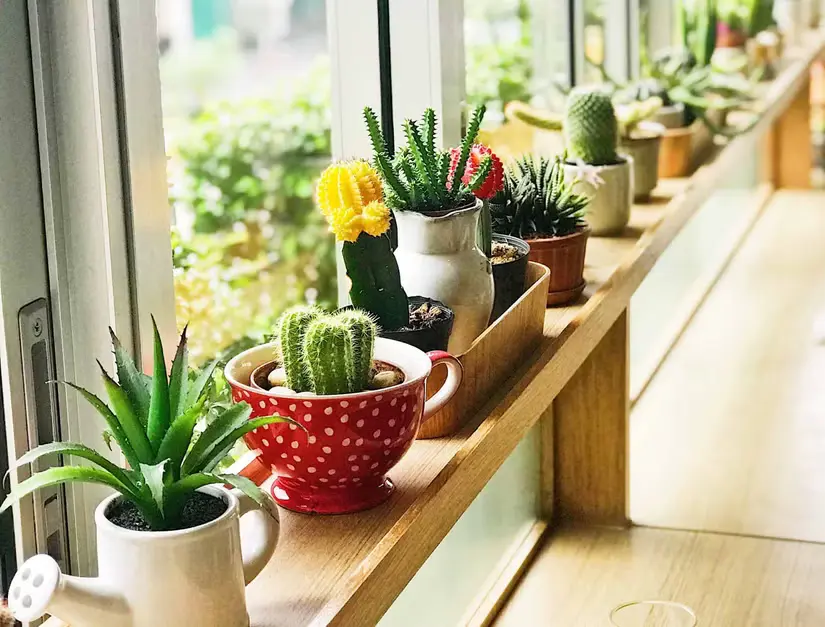
Use symmetry or asymmetry depending on your desired look. Integrating decorative accents like moss or colored stones accentuates your display’s uniqueness.
Maintaining Long-Term Health for Thriving Succulents
Ensuring your succulents thrive over time requires consistent care and awareness of their needs. Monitor their soil for dryness and repot them with a fresh, well-draining mix every 1-2 years to prevent root rot. Pay attention to light conditions, as succulents may stretch if they aren’t getting enough sunlight; adjust placement accordingly.
To reduce stress, fertilize sparingly during growing seasons using a diluted fertilizer. Remove dead leaves and check for pests regularly to maintain healthy growth. Avoid overwatering by checking soil moisture before watering. With care, your succulents will stay vibrant and flourish for years.