Have you ever watched your tomato plants wilt under the sun or lost a whole row of lettuce to sneaky bugs? These setbacks frustrate many gardeners, from newbies to old hands. But here’s the good news: you can turn your food garden into a reliable bounty machine. Success isn’t luck, it’s about smart steps that work every season. We’ll cover the basics to advanced tricks, so no matter your skill, you’ll harvest fresh veggies with confidence.

Mastering the Foundation – Soil Health is Non-Negotiable For Food Garden
Soil acts like the heartbeat of your vegetable garden. Without healthy dirt, even the best seeds flop. Start here to boost yields and dodge common pitfalls. The best soil for vegetable garden thrives on balance, rich nutrients, good drainage, and the right pH. Skip this, and your plants starve.
Comprehensive Soil Testing: Knowing What You Grow In
Test your soil before planting anything. It reveals pH levels and key nutrients like nitrogen or potassium. Most veggies prefer a pH between 6.0 and 7.0. Grab a kit from a garden store or your local university extension office—they often provide free or cheap tests.
Once you get results, read them carefully. Low nitrogen? Add a balanced fertilizer. High acidity? Mix in lime to sweeten it up. This step predicts your harvest size. One study from Cornell University shows tested soils yield 20% more produce. Act on the report, and your garden wins big.

Amending for Excellence: Compost, Manure, and Organic Matter
Amend weak soil with compost or aged manure. These add structure, hold water, and feed plants slowly. Fresh manure burns roots, so age it first or buy it ready. Aim for a 2-inch layer worked into the top six inches of soil.
Make your own compost from kitchen scraps and yard waste. Turn the pile weekly for quick results. Organic matter improves drainage in clay soils and adds fluff to sandy ones. Gardeners who amend yearly report fewer diseases and stronger growth. Your veggies will thank you with plump fruits.
The Power of Mulch: Moisture Retention and Weed Suppression
Mulch saves your garden from dry spells and weed battles. Spread 2-3 inches around plants after soil warms. Organic types like straw or wood chips break down over time, enriching the soil. They cut water loss by up to 70%, per USDA data.
Inorganic mulches, such as black plastic, block weeds but don’t feed the earth. Straw works best for veggies, it stays cool and lets rain soak in. Skip mulch near seedlings to avoid rot. This simple layer keeps your plot tidy and plants happy.

Strategic Planning – Site Selection and Plant Pairing
Planting isn’t just digging holes. Pick the right spot and match plants wisely to save space and fight off troubles. Think sunlight, water flow, and buddy systems. Vegetable garden sunlight needs vary, but all crave at least six hours daily. Plan smart, and your harvest doubles without extra work.
Assessing Sunlight: The Six-Hour Minimum Rule
Sunlight fuels growth, so map your yard first. Fruiting plants like tomatoes need 8-10 hours of direct sun. Leafy greens, such as spinach, manage with 4-6 hours. Use a stick in the ground, mark shadows hourly on a sunny day to track light patterns.
Shady spots suit herbs or root crops. North-facing walls block rays, so avoid them for sun-lovers. Adjust fences or trim trees if needed. Proper light means less leggy plants and more food on your table.
Water Management: Deep Watering vs. Frequent Sprinkling
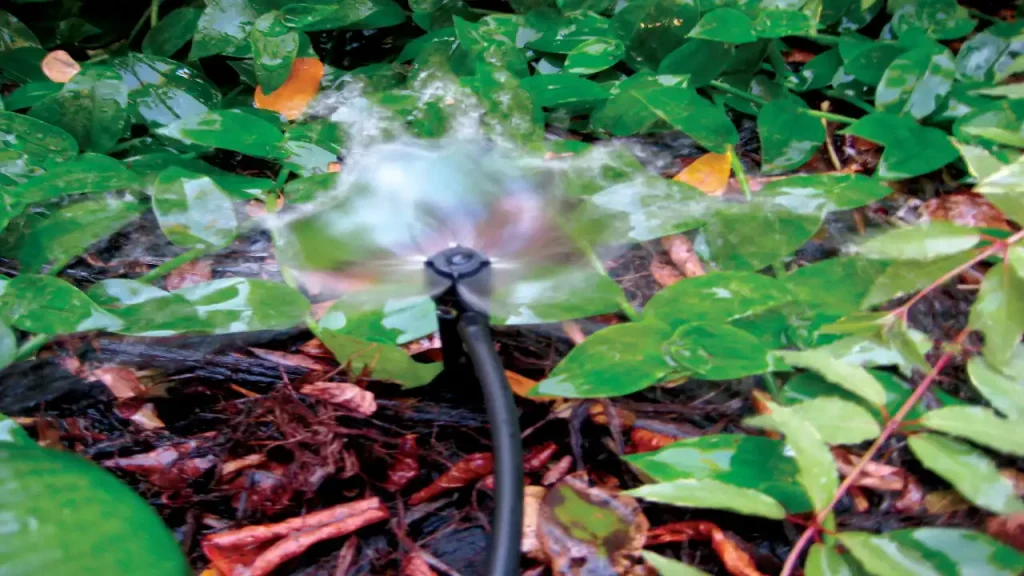
Deep watering builds tough roots that reach for moisture. Soak soil 6-8 inches down, once or twice a week. Light sprinkles wet the surface and invite shallow roots that dry out fast. Drip systems deliver water right to roots, saving 50% compared to sprinklers.
Hand water early morning to cut evaporation. Mulch helps too, it locks in wetness. Overwater? Roots rot. Check soil with your finger: dry an inch down means time to water. Strong roots mean plants that shrug off heat waves.
Companion Planting Secrets for Pest Control and Vigor
Pair plants like friends who help each other. The Three Sisters method; corn, beans, squash, works wonders. Corn supports beans, beans fix nitrogen, and squash shades weeds. This combo boosts yields by 30% in small spaces.
Tomatoes love basil and marigolds. Basil repels flies; marigolds deter nematodes. Plant them close but not touching. Avoid pairing potatoes with tomatoes, they share blight risks. Grab a companion planting chart online for more ideas. These tricks cut pest sprays and amp up flavor.
Seed Starting and Transplanting for Optimal Growth
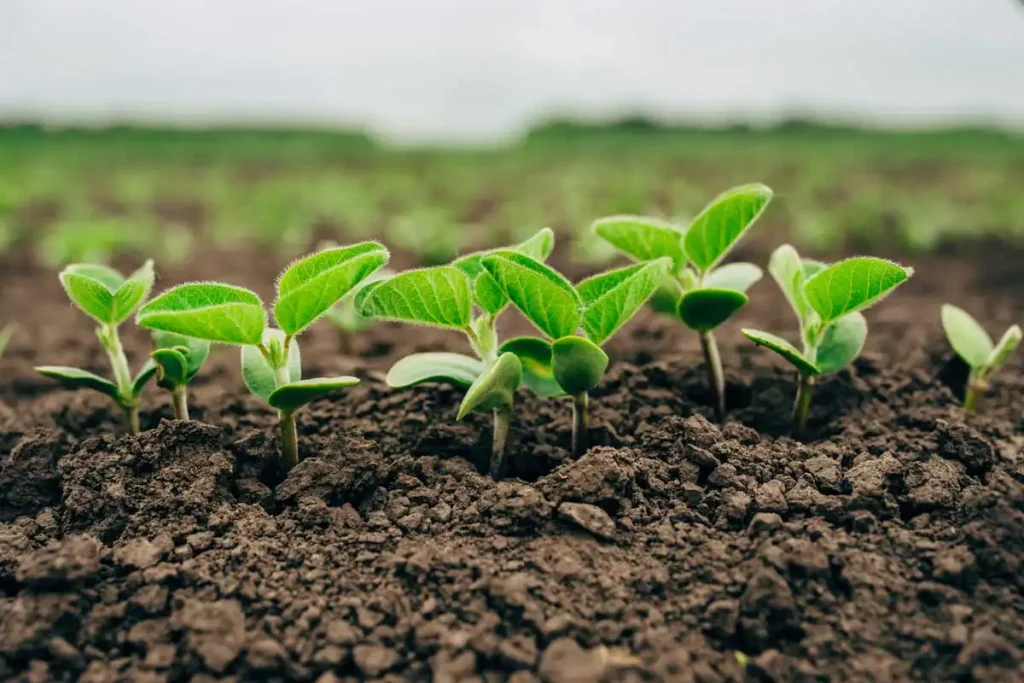
Starting seeds right sets up wins from day one. Many fail here due to rush or shock. Learn when to start seeds indoors and how to toughen them up. This cuts losses and speeds harvests. Your veggie patch will fill with sturdy plants ready to thrive.
Timing is Everything: Reading Seed Packets and Frost Dates
- Seed packets hold clues. “Days to maturity” tells harvest time after transplant. Start indoors 4-6 weeks before your last frost. Find local frost dates on apps like Old Farmer’s Almanac or extension sites.
- Peppers need 8 weeks inside; carrots go direct in warm soil. Plant too early? Frost kills. Too late? Short season. Mark your calendar. Right timing means ripe picks when you want them.
Hardening Off: Acclimating Delicate Seedlings to the Outdoors
- Seedlings coddled indoors shock in wind or sun. Harden them off over 7-10 days. Day one: set pots outside for two hours in shade. Add an hour daily, mixing sun and breeze.
- Bring them in at night if cold snaps loom. This builds thick skins. Skip it, and half your starts may die. Watch for wilting, shade more if needed. Tough plants handle garden life better.
Proper Spacing and Transplant Depth
- Crowd plants, and air stalls; hello, mold. Space carrots 2 inches apart; peppers need 18 inches. Check packets for guides. Bury stems deep for tomatoes; it grows extra roots.
- Dig holes wider than pots. Water after planting to settle soil. Good spacing means even sun and less disease. Your rows stay healthy and easy to reach.
Integrated Pest and Disease Management (IPM)
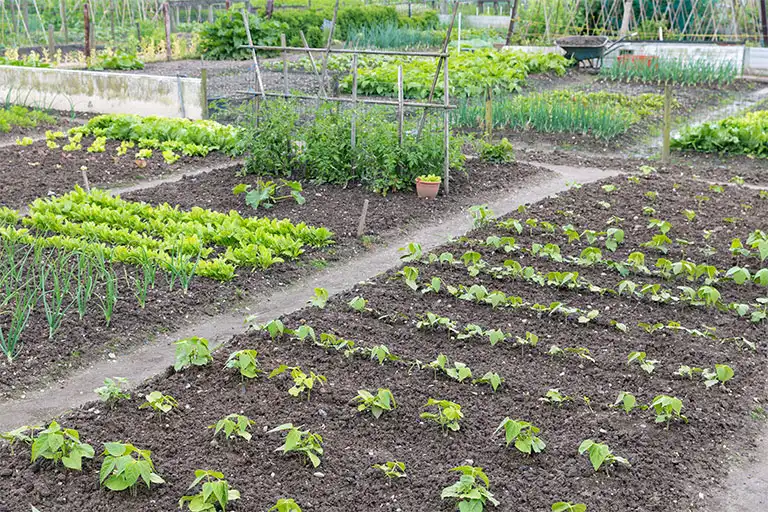
Pests sneak up, but you can outsmart them. IPM focuses on watch, block, and treat only if needed. Natural pest control for vegetable garden keeps food safe and earth kind. Prevention beats cure every time.
Vigilance and Early Detection: Daily Garden Walkthroughs
- Walk your garden daily. Flip leaves to spot aphids or eggs. Yellow spots signal mildew; sticky goo means aphids. Undersides hide trouble, check there first.
- Early catches stop spread. Use a magnifying glass for tiny foes. Log issues in a notebook. This habit saves plants and cuts losses.
Natural Barriers and Physical Controls
- Block bugs with row covers, light fabric over hoops. It stops flies but lets light through. Hand-pick hornworms; drop them in soapy water. Copper tape around pots zaps slugs on contact.
- These methods harm no bees or birds. Rotate covers as plants grow. Simple barriers work without sprays. Your garden stays pest-free naturally.

Safe and Effective Organic Treatments
- Neem oil smothers soft bugs like mites. Mix per label, spray evenings to spare pollinators. Insecticidal soap blasts aphids, rinse plants after a few days. Test on one leaf first.
- Avoid hot sun during sprays. These treat spots without chemicals. Follow up with checks. Healthy plants resist better anyway.
Sustaining Your Guaranteed Success
Soil health, smart planning, seed care, pest smarts, and harvest know-how form your garden’s backbone. Stick to these, and failures fade. Every season brings fuller baskets of homegrown eats.
You hold the tools for a thriving food garden. Start small this spring, test that soil and map your sun. Watch your plot burst with life. What’s stopping you from that first fresh salad? Dig in today.