Aromatherapy herbs are more than just fragrant plants, they can improve your mood, reduce stress, and even boost your immunity. Growing these herbs indoors not only ensures you have fresh, aromatic plants at your fingertips but also adds a touch of greenery to your home. Whether you’re a beginner or an experienced gardener, this guide will help you grow aromatherapy herbs indoors successfully.
Grow Aromatherapy Herbs Indoors by Choosing the Right Varieties
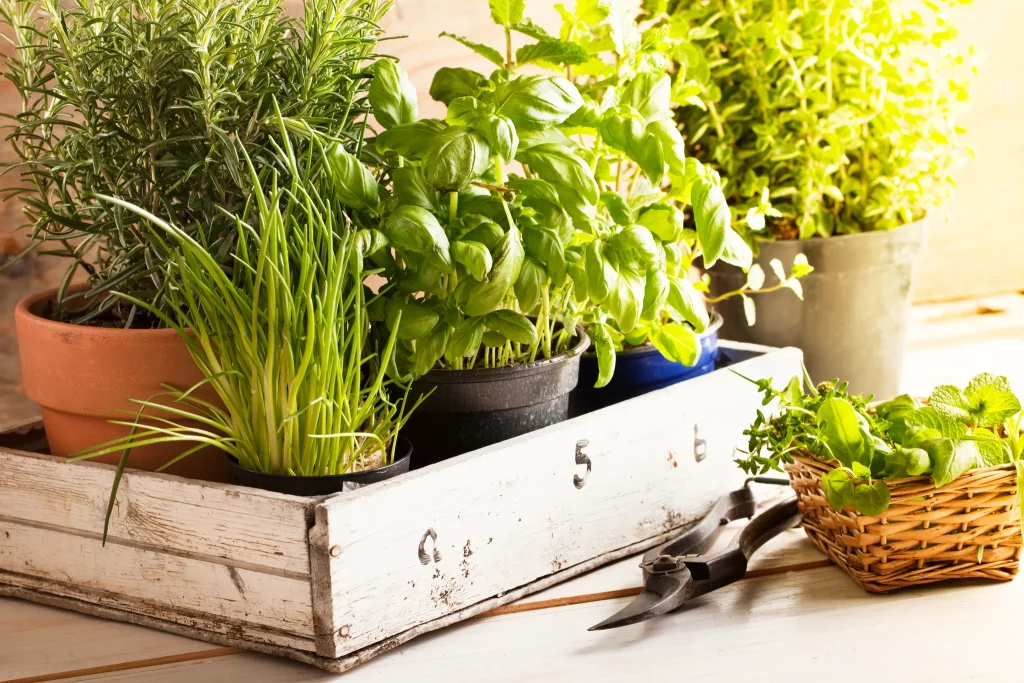
When selecting aromatherapy herbs for indoor gardening, consider:
- Light Requirements: Most herbs need 6-8 hours of sunlight. Herbs like mint, lemon balm, and basil thrive in indirect light, while lavender prefers direct sunlight.
- Space: Small pots work well for compact spaces, while larger containers are ideal for rosemary or lemon balm.
- Care Level: Some herbs like rosemary are low-maintenance, while others like basil require frequent watering.
Essential Supplies for Indoor Herb Gardening
Before you start, gather these essentials:
- Fertilizers: Organic fertilizers or compost provide essential nutrients.
- Pots & Containers: Choose pots with drainage holes to prevent waterlogging.
- Quality Soil: Use well-draining, nutrient-rich potting mix.
- Watering Tools: A spray bottle or small watering can helps control moisture.
- Grow Lights (Optional): Useful for herbs requiring more sunlight than your indoor space provides.
Step-by-Step Guide to Growing Aromatherapy Herbs Indoors
1. Selecting Seeds or Seedlings

Start with high-quality seeds or healthy seedlings from a nursery. Seedlings are faster to grow and less prone to failure.
2. Choosing the Right Pot
- Size: Ensure the pot is slightly larger than the plant’s root system.
- Drainage: Add a layer of pebbles at the bottom to prevent root rot.
3. Soil Preparation
- Mix potting soil with perlite or sand for better drainage.
- Herbs like lavender prefer slightly alkaline soil.
4. Planting
- Plant seeds or seedlings at a depth recommended on the seed packet.
- Water gently after planting.
5. Lighting

- Place herbs near a south-facing window for maximum sunlight.
- Use grow lights for 12-16 hours/day if natural light is insufficient.
6. Watering & Humidity
- Keep the soil moist but not soggy. Overwatering is a common mistake.
- Maintain indoor humidity at 40-60%. Use a humidifier if necessary.
7. Fertilizing
- Feed herbs every 4-6 weeks with organic fertilizer.
- Avoid over-fertilization, which can reduce aroma.
8. Pruning & Harvesting
- Prune regularly to encourage bushy growth.
- Harvest leaves in the morning when essential oil content is highest.

Troubleshooting Common Issues
Indoor herb gardening can sometimes face challenges. Here’s a troubleshooting table for quick solutions:
| Problem | Possible Cause | Solution |
|---|---|---|
| Yellowing leaves | Overwatering or poor drainage | Reduce watering, ensure pot has drainage holes |
| Wilting herbs | Underwatering or root rot | Check soil moisture, adjust watering |
| Slow growth | Low light or poor soil nutrients | Move to brighter location, add organic fertilizer |
| Pest infestation | Aphids, spider mites, or fungus gnats | Use neem oil spray or insecticidal soap, remove affected leaves |
| Foul smell from soil | Waterlogged soil | Improve drainage, repot if necessary |
| Leaves losing aroma | Over-fertilization | Reduce fertilizer use, ensure proper pruning |
| Leggy growth | Insufficient light | Provide supplemental grow lights or move closer to window |
Tips for Maximizing Aromatherapy Benefits

- Rotate Plants: Turn pots periodically to ensure even light exposure.
- Mix Herbs: Combine rosemary and lavender for a calming effect.
- Essential Oil Extraction: Use leaves to make homemade essential oils or herbal infusions.
- Proper Ventilation: Ensure good airflow to enhance fragrance and prevent mold.
Common Mistakes to Avoid
- Overwatering: Most indoor herbs need less water than outdoor plants.
- Poor Lighting: Insufficient light leads to leggy, weak plants.
- Wrong Soil Type: Heavy garden soil can suffocate roots.
- Neglecting Pruning: Pruning encourages healthy growth and more aroma.
- Ignoring Pests: Early detection prevents infestation and damage.
Conclusion
Growing aromatherapy herbs indoors is a rewarding experience that combines gardening with wellness. By selecting the right herbs, providing proper care, and troubleshooting common issues, you can enjoy a fragrant and healing indoor garden year-round. Whether it’s lavender for relaxation or rosemary for focus, indoor herbs enhance your home’s ambiance and your overall well-being.