Imagine stepping into your backyard, a gentle breeze wafting delicate, sweet perfumes your way. Picture sunlight warming the petals of beautiful blooms, each one releasing its unique aroma into the air around you. Doesn’t that sound like a slice of heaven right outside your door? Do you wish your own outdoor space offered this kind of amazing sensory escape?

Many backyard gardens focus mainly on looking good, picking plants for their colors and shapes. This often means missing out on a huge part of the garden experience: the wonderful world of scent. Why let your nose miss out on all the fun? Intentionally choosing the most fragrant flowers can turn any yard into a true smell paradise.
This article will show you how to pick and grow the best smelling flowers for your backyard. We will explore popular fragrant blooms, describe their specific scents, and explain what they need to thrive. You will also get smart tips for making sure your garden’s perfume lasts all season long. Get ready to grow fragrant flowers to transform your outdoor space into a place you can truly breathe in and enjoy.
The Power of Scent in Your Garden | Grow Fragrant Flowers
Fragrance does more than just smell nice. It can deeply affect how you feel every day. When your garden smells good, it can boost your mood and create a peaceful vibe.
The Uplifting Effect of Floral Aromas
Specific floral scents can truly lift your spirits. Think about the calming smell of lavender or the cheerful sweetness of a rose. These aromas can ease stress and make you feel more relaxed. They even connect to old memories, making your backyard feel like a special, comforting place.
Attracting Beneficial Wildlife

Fragrant flowers do more than just please our noses. They are also like a beacon for helpful garden visitors. Bees, butterflies, and other pollinators love strong scents, and they play a key role in keeping your garden healthy. Some plant smells can even keep unwanted pests away, creating a natural balance.
Maximizing Floral Fragrance
You want your garden to smell its best, right? There are simple ways to make those lovely scents even stronger. A few tricks can help you enjoy every note.
Best Times to Smell the Roses (and Other Flowers)
Did you know flowers release their scents differently throughout the day? Some smell stronger in the morning dew, while others shine in the cool evening air. Temperature and how much moisture is in the air also play a big part. Warmer, more humid days often mean stronger scents.

Location to Grow Them
Where you plant your fragrant flowers truly matters for enjoyment. Place them near your patio, by windows, or along pathways. This way, you will catch their scent every time you pass by. Think about creating “scent corridors” that funnel the sweet air right where you spend time.
Top Fragrant Flowers for Backyard Planting
Ready to choose your aromatic stars? Here are some of the best flowers known for their delightful smells. You will find something for every taste, from light and sweet to rich and spicy.
Delicate & Sweet Scents
These flowers offer soft, inviting aromas. They are perfect for a gentle, pleasing garden experience. Their scents can often feel light and airy, sometimes with a powdery touch.
1-Lavender (Lavandula)

Lavender gives off a calming, herbal smell with a hint of sweetness. It helps you relax and feels wonderfully fresh. Grow lavender in full sun with soil that drains well for the best results. To use its scent indoors, harvest lavender stems when flowers open, then hang them upside down to dry. They make great sachets or potpourri.
2-Sweet Pea (Lathyrus odoratus)
Sweet peas live up to their name with an intense, sugary floral scent, almost like fruit. They add a touch of classic charm to any garden. Plant them where they get full sun or a little shade, and always give them something to climb on. For a long season of fragrance, plant new seeds every few weeks; this helps blooms keep coming.
3-Gardenia (Gardenia jasminoides)

Gardenias have a powerful, creamy floral scent that is truly captivating. Their rich aroma is often found in expensive perfumes. They prefer partial shade and need acidic, well-drained soil with plenty of humidity. You often see gardenias in beautiful corsages because of their stunning scent and look.
4-Lilac (Syringa vulgaris)

Lilacs have that classic, sweet smell, often with a slightly spicy twist. It’s a scent many people instantly recognize and love. These beautiful shrubs need full sun and soil that drains well to thrive. Lilacs have graced gardens for hundreds of years, making them a true sign of spring’s arrival.
5-Hyacinth (Hyacinthus orientalis)
Hyacinths deliver a very strong, sweet, and sometimes spicy aroma. Just a few bulbs can perfume a whole area. Give them full sun to light shade and well-drained soil. You can even force hyacinths to bloom indoors in water or pots. This brings their amazing scent into your home during winter.
6-Roses (Rosa spp.)

Roses offer a huge range of scents, not just one. You might find classic rose, fruity, tea-like, or even spicy notes depending on the type. They love full sun and rich, well-drained soil. Did you know that older rose varieties are often much more fragrant than newer ones? Pick specific “highly scented” varieties to guarantee a strong perfume in your garden.
7-Stock (Matthiola incana)
Stock has a distinctive spicy, clove-like, and sweet smell. It adds a warm, inviting note to your garden. Plant stock where it gets full sun and in soil that drains easily. For the best fragrance effect, plant stock in large groups. This way, their combined scent really shines.
8-Dianthus (Dianthus spp.)
Dianthus also offers a lovely clove-like, spicy scent, often with a sweet undertone. These charming flowers are easy to grow. They prefer full sun and well-drained soil. To keep these beauties blooming and smelling great, remove the faded flowers regularly. This encourages more fresh blooms to appear.
9-Sweet Alyssum (Lobularia maritima)

Sweet alyssum has a delicate, honey-like scent that is both sweet and a little musky. It forms a low carpet of tiny flowers that smell wonderful. This plant enjoys full sun to partial shade and moist soil. Use sweet alyssum as a fragrant ground cover or to line your garden beds.
Planning Your Fragrant Garden
A truly fragrant garden starts with smart planning. Knowing your space and how to arrange plants makes a big difference. This section helps you set up for success.
Assessing Your Backyard Conditions
Before you buy any plants, take a good look at your backyard. The right plant in the right spot will thrive and smell its best. Consider what your yard offers.
Sunlight and Shade Patterns
Spend some time observing your yard through the day and seasons. Where does the sun hit strongest, and where are the shady spots? Match each flower’s sun needs to what you have available. Some fragrant flowers need lots of sun, while others prefer a bit of shade.
Soil Type and Drainage
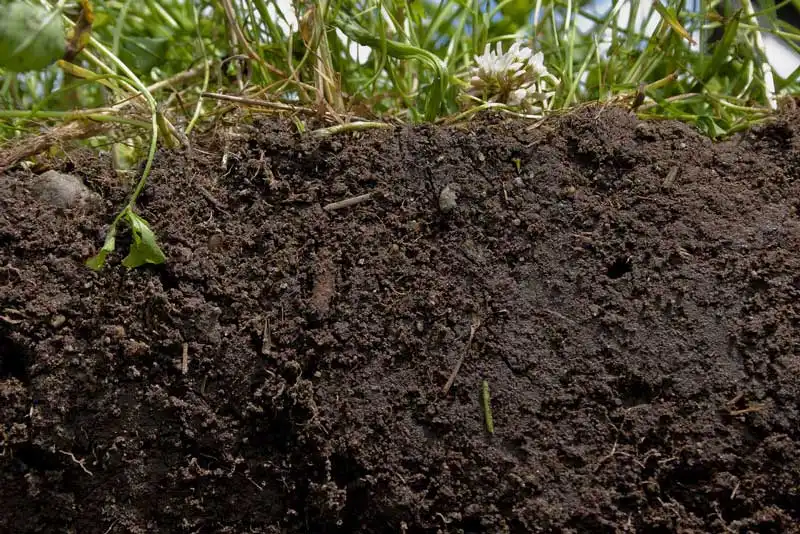
Your soil is like the foundation of your garden. You can easily test your soil to see if it’s sandy, clay, or something in between. Make sure water drains well; soggy roots are bad for most plants. If needed, add compost to improve your soil’s quality.
Climate Zone Considerations
It’s really important to choose plants that can live through your local winters and summers. This depends on your climate zone. Check a local plant hardiness map for your area. You can also ask for advice at your local garden center or extension office.
Designing for Scent and Appeal
Once you know your conditions, it’s time to get creative. Design your garden so that it looks good and smells amazing too. Think about how scents will mix and where they will travel.

Layering Fragrance
Don’t just plant one type of fragrant flower. Combine different ones that bloom at various times of the year. This ensures a continuous perfume from spring through fall. Also, mix plants of different heights to create a full, lush look.
Placement for Maximum Impact
Remember to put your most fragrant plants near places you use often. Think about your front door, patio, or kitchen window. You can also create “scent pockets” in quiet corners of your garden. These give you a delightful surprise when you discover them.
Combining Visuals and Aromas
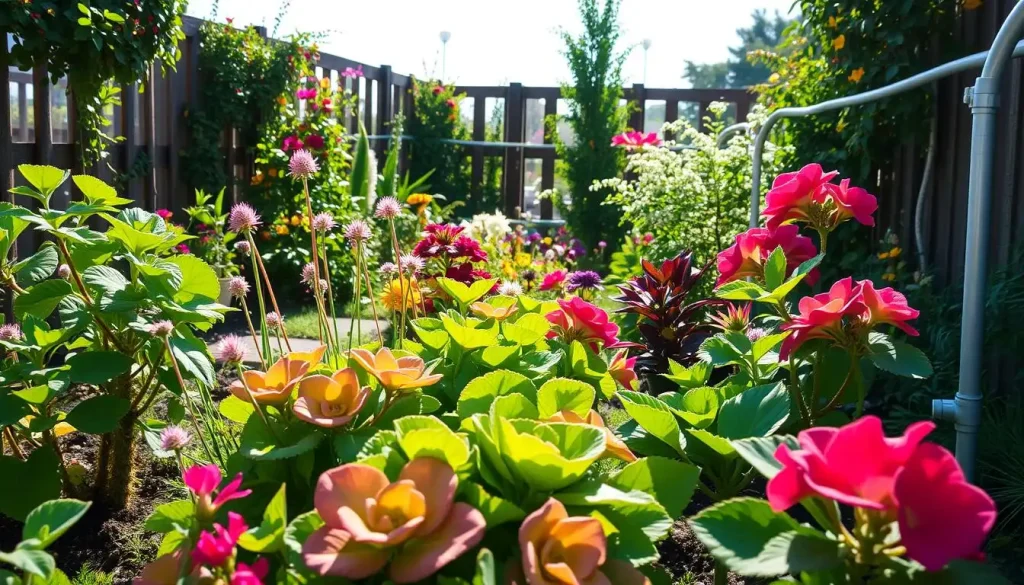
Your garden should please both your eyes and your nose. Pair fragrant flowers with other plants that have striking colors or interesting textures. Consider a color scheme that brings out the best in your chosen scents. For example, calm blues and purples can enhance relaxing aromas.
Essential Care for Fragrant Blooms
Even the most fragrant flowers need a little help to reach their full potential. Proper care makes a big difference in how much they bloom and how strong their scent becomes. Let’s look at the basics.
Watering and Feeding

Giving your plants the right amount of water and food is key. It helps them grow strong and produce those lovely smells. Avoid guesswork with these simple steps.
Optimal Watering Practices
How often and how deeply you water depends on the plant and the weather. Most plants like deep, less frequent watering rather than daily sprinkles. Be careful not to overwater, though. Too much water can actually weaken a flower’s fragrance.
Fertilizing for Fragrance
Some fragrant plants really benefit from a regular feeding schedule. Use a balanced fertilizer to support their growth. But be careful not to use too much nitrogen. This nutrient can make plants grow lots of leaves but fewer flowers, reducing the overall scent.
Pruning and Deadheading

These simple tasks are like giving your plants a haircut. They help your flowers stay healthy and keep producing those beautiful, fragrant blooms. You will see more flowers and enjoy more scent.
The Art of Deadheading
Deadheading means removing flowers after they fade. This tells the plant to make more flowers instead of seeds. More flowers mean more fragrance, extending your garden’s perfume. Just snip off the spent blooms right above a leaf or bud.
Strategic Pruning
Pruning does more than just make your plants look neat. It helps shape them, allows air to move around, and can even encourage new fragrant growth. For plants like lilacs, it’s best to prune them right after they finish flowering. This sets them up for a great show next year.

Conclusion
Creating a garden filled with amazing smells is easier than you think. You have learned about many wonderful choices for the most fragrant flowers, from calming lavender to intense gardenias. Each offers a unique aroma to delight your senses.
Remember, the secret to a scent-sational garden lies in a few key steps. Choose the right plants for your specific backyard conditions. Place them smartly where you will enjoy their fragrance most often and give them good basic care, like proper watering and timely pruning. Feel free to mix and match, finding your own favorite fragrant pairings. Your backyard is waiting for a scent makeover. Go ahead, transform it into a truly sensory delight you will love to experience every single day.