Container gardening offers a fantastic solution for urban dwellers wanting to cultivate their own food, even with limited space. Sweet potatoes, often perceived as a sprawling vine requiring large plots, can actually thrive in containers, providing a rewarding harvest of nutrient-rich tubers. This guide will demystify the process, empowering you to grow delicious sweet potatoes on your balcony, patio, or rooftop.

From understanding their unique growth habits to selecting the right varieties and containers, we’ll cover everything you need to know. Imagine the satisfaction of digging up your own homegrown sweet potatoes, perfect for roasting, mashing, or baking, all while maximizing your urban gardening potential.
1. Why Grow Sweet Potatoes in Containers?
Growing sweet potatoes in pots offers unique benefits for city living. You might think they need vast fields, but that is not true. This method helps overcome many challenges faced by urban gardeners. It brings fresh produce right to your door.
Space Efficiency for Urban Living
Sweet potato vines can indeed spread out quite a bit. But, in a container, you control their growth. This makes them perfect for small urban gardens. You can guide the vines up a trellis or let them spill over. This uses your limited space wisely.
Actionable Tip: Pick containers that are deep enough and wide enough. This gives the tubers plenty of room to grow big.

Accessibility and Ease of Management
Containers make gardening easier for everyone. This is true for those with small yards or movement issues. You can place pots at a comfortable height. It’s also simpler to spot pests or diseases early on. You can move plants to better spots if needed.
Controlled Environment Advantages
Pots give you full control over the soil. You can pick the best mix for your sweet potatoes. This is great in cities where native soil might be poor. You also manage watering and nutrients precisely. This leads to healthier plants and better harvests.
2. Choosing the Right Sweet Potato Varieties and Containers
Your first steps are key to success. You must pick the best sweet potato types and their growing homes. These choices set the stage for a bountiful harvest. Think of this as laying a strong foundation.
Best Sweet Potato Varieties for Containers

Some sweet potato types are better suited for pots. Look for “bush” or “compact” varieties. These won’t spread as much as others. ‘Vardaman’ and ‘Porto Rico’ are known to do well. Their tubers are a good size for container growing.
Many urban gardeners have success with ‘Beauregard’ too. This popular choice produces well even in smaller spaces. These varieties often mature quicker, giving you a faster reward.
Selecting the Ideal Container
Container size is very important for sweet potatoes. They need depth for their tubers to form properly. A 5-gallon pot is the minimum for one plant. Larger containers, like 10-15 gallons, are even better. Choose sturdy materials like fabric grow bags or plastic barrels.
Actionable Tip: Always choose containers with good drainage holes. Without them, your plants will suffer from root rot. Fabric grow bags are excellent because they offer superior aeration.
Potting Mix Essentials
Sweet potatoes love loose, well-draining soil. This helps their roots and tubers expand easily. A high-quality potting mix is your best friend here. Avoid heavy garden soil, which compacts too much.

Actionable Tip: Make your own mix for great results. Combine equal parts compost, peat moss, and perlite. This creates an airy, nutrient-rich home for your plants.
3. Planting Your Sweet Potatoes: From Slips to Sprouts
Now it is time to get your sweet potato plants ready. The planting process is straightforward. We start with small plant cuttings called slips. These will grow into your delicious harvest.
Obtaining and Preparing Sweet Potato Slips
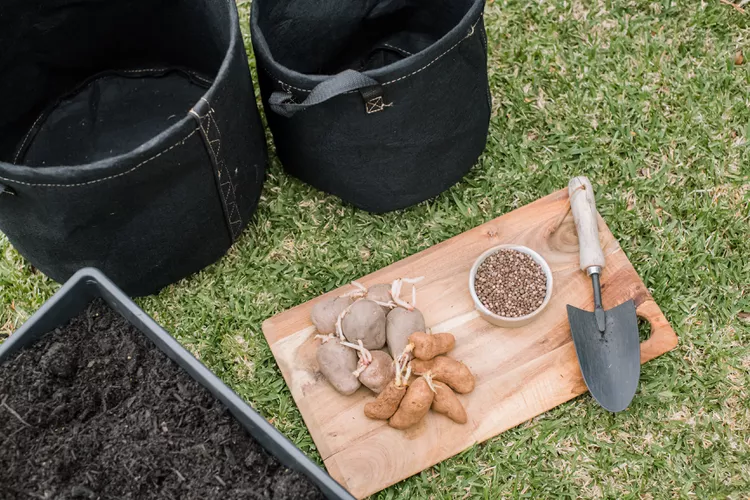
Slips are sprouts grown from a sweet potato. You can buy them from a nursery. Or, grow your own from a healthy sweet potato tuber. To do this, place a sweet potato in water or moist soil. Toothpicks can hold it over water.
Wait for sprouts to grow 4-6 inches tall. Carefully twist or cut them off the tuber. Place these slips in a jar of water. Roots will form in a few days.
The Planting Process
Once your slips have roots, they are ready for planting. Fill your chosen container with the potting mix. Dig a small hole for each slip. Plant the slips about 6-8 inches apart if growing multiple in a large pot.
Actionable Tip: Plant your slips when the weather is warm. Soil temperatures should be above 60°F. This is usually after your last spring frost.
Initial Watering and Placement
Water your newly planted slips immediately. This helps settle the soil around their roots. Sweet potatoes need lots of sun. Place your containers in a spot that gets 6-8 hours of direct sun daily. A sunny balcony or patio corner works well.
4. Caring for Your Container-Grown Sweet Potatoes
Taking care of your sweet potatoes is key. Good care helps ensure a big harvest. Focus on sun, water, and food. These elements keep your plants strong and healthy.
Sunlight and Temperature Requirements
Sweet potatoes absolutely love the sun and heat. They are tropical plants, after all. Make sure they receive at least 6-8 hours of direct sunlight. More sun means more energy for tuber growth. Ideal temperatures for growth are between 75°F and 95°F.
Watering Strategies for Containers

Potted plants dry out faster than garden beds. Sweet potatoes need consistent moisture. Don’t let the soil dry out completely. But also, avoid waterlogging the roots. This can cause rot.
Actionable Tip: Check the soil daily, especially on hot days. Stick your finger into the top two inches of soil. If it feels dry, it is time to water.
Fertilizing for Tuber Development
Sweet potatoes need the right nutrients to grow big tubers. They do not need too much nitrogen. Too much nitrogen leads to lush leaves but few tubers. Use a fertilizer low in nitrogen and higher in phosphorus and potassium. A balanced organic fertilizer works well.
Apply fertilizer every 3-4 weeks once the plants are established. A good ratio might be 5-10-10 or similar. This supports root development.

Managing Vines and Support (Optional)
Sweet potato vines can grow long, even in a container. You can let them trail over the side of the pot. Or, provide vertical support like a small trellis. Training vines upward saves space. You can also lightly prune vines if they become too unruly. This redirects energy to tuber growth.
5. Harvesting and Storing Your Sweet Potato Bounty
The moment you have been waiting for is finally here. Harvesting your sweet potatoes is a true joy. Knowing when and how to do it ensures a great yield. Proper storage will keep them fresh for months.
Knowing When to Harvest

Sweet potatoes are usually ready in 90 to 120 days. This time depends on the variety you planted. Watch for signs that harvest time is near. The leaves may start to yellow and die back. This often happens before the first hard frost.
You can also gently dig around a plant. Feel for the size of the tubers. They should be at least as big as your fist.
The Harvesting Technique
Harvesting from containers is easier than from the ground. Be careful not to damage the tubers. They have delicate skin. The best method is to carefully tip the entire container over. Then, gently loosen the soil to reveal your sweet potatoes.
Actionable Tip: Use your hands to dig through the soil. Avoid using sharp tools, which can cut the tubers. Brush off excess soil carefully.
Curing and Storing for Long Shelf Life
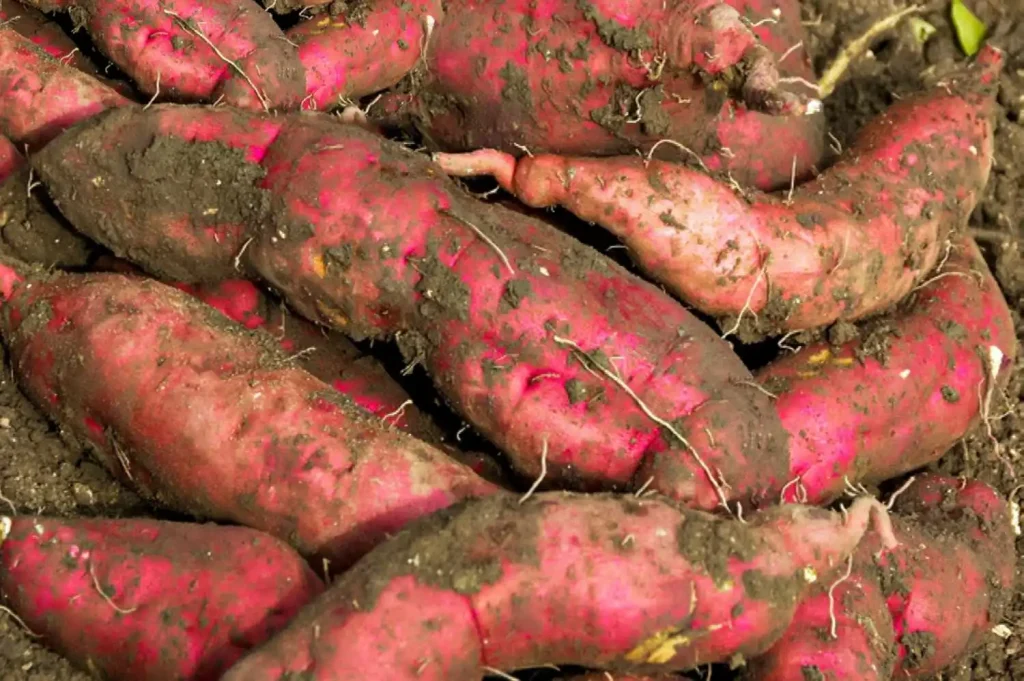
Curing your sweet potatoes is a crucial step. It makes them sweeter and helps them last longer. Cure them in a warm, humid spot for 7-10 days. An ideal temperature is around 85°F with high humidity. After curing, store them in a cool, dark place. A closet or pantry works well. The best temperature for storage is 55-60°F. This method helps your homegrown sweet potatoes stay fresh for many months.
Conclusion
Growing sweet potatoes in containers is an achievable and rewarding endeavor for any urban gardener. By selecting the right varieties and containers, providing consistent care, and mastering the harvesting and curing techniques, you can enjoy a delicious and nutritious homegrown harvest. Embrace the possibilities of container gardening and add fresh sweet potatoes to your urban food landscape. Start your sweet potato adventure today.