Introduction: Embracing Urban Micro Gardening
If you think a lack of space is stopping you from gardening, urban micro gardening offers you a creative and sustainable solution. This innovative practice turns your small balcony, windowsill, or even a wall into a thriving green space. With growing urbanization and limited access to traditional outdoor gardens, micro gardening allows you to make the most of what you have while contributing to environmental consciousness. It’s an ideal choice for city dwellers who seek a closer connection with nature without leaving their homes.

Micro gardening revolves around intelligent space utilization. You can adopt vertical structures, hanging planters, or stackable pots to maximize greenery in tight areas. It also involves efficient planting methods, using techniques like companion planting or hydroponics, which allow you to cultivate a variety of plants even in limited environments. Whether it’s fresh herbs, vibrant flowers, or juicy vegetables, you can tailor your urban garden to suit your personal preferences.
As you embark on this journey, you benefit not only from better access to fresh, homegrown produce but also from stress relief and improved air quality. Plants naturally improve air circulation and reduce indoor air pollutants, creating a healthier environment. Moreover, tending to your garden becomes a therapeutic activity, offering you a break from the fast-paced urban lifestyle.
Consider starting small perhaps a few herbs in jars or a vertical planter attached to a sunny wall. Over time, you’ll gain confidence, skill, and an expanded passion for cultivating your own green haven, no matter how limited your space may be. Urban micro gardening is about innovation, sustainability, and rediscovering joy in nature’s simplicity.
The Benefits of Urban Micro Gardening
Urban micro gardening offers you a multitude of advantages, making it an enriching endeavor for individuals living in small spaces. Even without a backyard, you can harness its potential to improve your physical, mental, and environmental well-being.
1. Efficient Use of Space
Micro gardening techniques allow you to maximize the use of your limited space. You can utilize balconies, windowsills, and vertical walls to create lush greenery. Creative setups like hanging planters, tiered shelving, or stackable pots give you the freedom to grow a wide variety of plants without crowding your home.

2. Fresh and Affordable Produce
By growing your own vegetables, herbs, and fruits, you have a steady supply of fresh, organic produce. Imagine plucking basil leaves directly from your windowsill or harvesting cherry tomatoes grown in compact containers. This can help you reduce your grocery expenses while ensuring access to pesticide-free food.
3. Improved Air Quality
Plants play a key role in improving indoor and outdoor air quality. Through micro gardening, you introduce more greenery to your space, helping to filter toxins and increase oxygen levels. This can lead to a healthier living environment and fresher air for you to breathe.
4. Stress Relief and Mental Health Benefits
Tending to your micro garden can be therapeutic. The act of planting, watering, and watching your plants grow provides a calming routine, reducing stress and boosting your mood. Gardening has been shown to lower cortisol levels while fostering mindfulness.
5. Environmental Impact
You contribute to environmental sustainability by reducing food waste and reliance on long transportation chains. Urban micro gardening promotes biodiversity, especially if you grow pollinator-friendly plants like lavender, thyme, or marigolds.
6. Educational Value
Micro gardening allows you to learn about plant care, soil health, and sustainable practices. If you have children, it’s an excellent way to teach them about where food comes from, fostering a deeper connection to nature in the process.
By incorporating urban micro gardening into your lifestyle, you unlock these benefits while turning your small space into a vibrant green corner filled with life and utility.
Understanding Your Space: Assessing Small Areas for Gardening
Before starting your urban micro gardening journey, you need to thoroughly evaluate the space available to you. Small spaces can vary widely, whether it’s balconies, patios, windowsills, or even a corner of your apartment. Begin by measuring the dimensions of the area you plan to dedicate to gardening. Knowing the size will help you determine what types of plants or containers will fit comfortably without overcrowding. Make sure to note vertical spaces like walls or railings, as they can also be utilized creatively for gardening.

Light is one of the most crucial elements for plant growth. Assess how much sunlight your space receives throughout the day. Observe whether the area gets full sun, partial shade, or mostly shade, keeping in mind that many plants, such as herbs and vegetables, thrive in sunny conditions. If your space lacks natural sunlight, consider investing in grow lights to supplement light for your plants. Also, monitor potential wind exposure if you’re gardening outdoors, as strong winds can stress plants or cause soil to dry out more quickly.
Next, evaluate the access to water. Determine whether you can easily give your plants the hydration they need via a water source, watering can, or drip irrigation system. If you’re unable to water frequently, look for low-maintenance plants or self-watering containers. Check if your area has good drainage; stagnant water can lead to root rot and other issues.
Finally, think about your environmental conditions. If your space is indoors, pay attention to humidity levels and temperature stability. Outdoor spaces can be impacted by seasonal shifts, so you’ll need to plan accordingly for extreme weather or consider moveable containers. These observations will help you create the optimal growing environment, ensuring that your plants thrive in your unique urban oasis.
Choosing the Right Plants for Your Micro Garden
Selecting suitable plants is essential for a successful micro garden. Not all plants thrive in confined spaces, so it’s crucial to consider factors like available light, climate, and your personal preferences.
Start by assessing the amount of sunlight your space receives. Is it sunny all day or shaded most of the time? For sunny spots, consider plants that thrive in full sunlight, such as tomatoes, peppers, or herbs like basil and rosemary. If your space is more shaded, opt for shade-tolerant species like lettuce, spinach, or mint.
Your climate also plays a significant role. Depending on the temperature and humidity, some plants will flourish while others will struggle. For example, if you live in a cooler area, leafy greens and root vegetables like radishes and carrots are excellent options. In warmer climates, heat-loving plants such as cucumbers, chilies, or tropical herbs like lemongrass may be better suited.
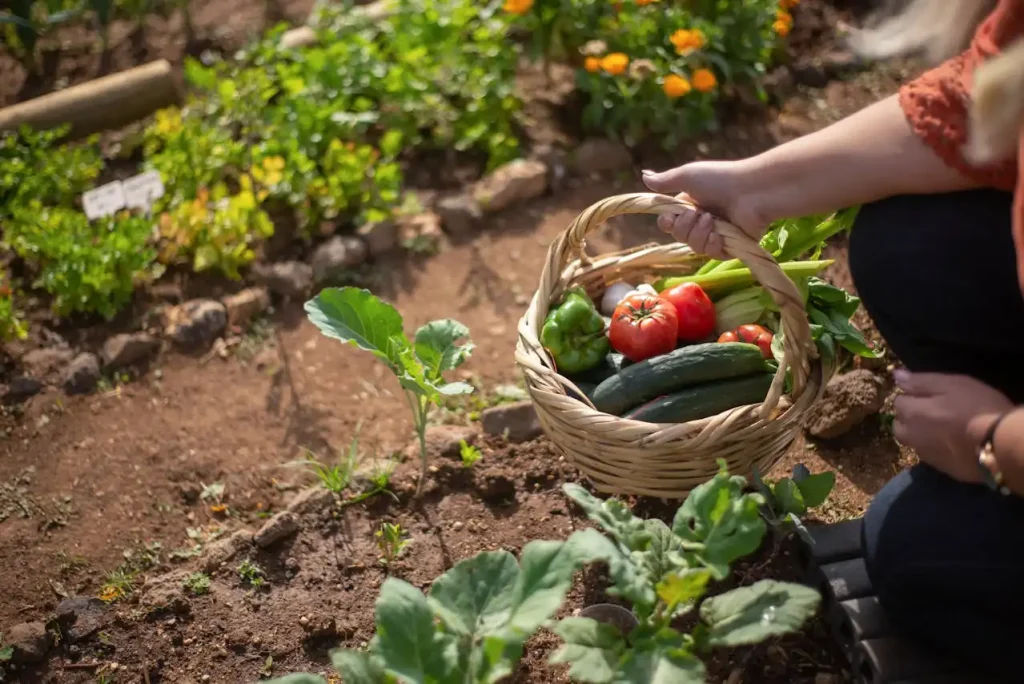
Consider the size of your micro garden and how much growing space each plant requires. Compact or dwarf varieties are ideal for limited areas. Vegetables like cherry tomatoes, strawberries, and bush beans are perfect for small spaces, and many herbs can thrive in compact containers.
You’ll also want to think about your personal needs. Grow what you love to eat or what you commonly use in your kitchen. Edible flowers, for example, can add beauty and functionality, with varieties like nasturtiums and violets offering both aesthetic appeal and culinary uses.
Lastly, don’t forget about companion planting. Some plants grow better together, such as pairing tomatoes with basil or marigolds to deter pests. Choosing compatible arrangements ensures healthier plants and a more productive micro garden. Understanding your environment and choosing wisely will make your micro garden a lush, thriving sanctuary.
Essential Tools and Materials for Urban Micro Gardening
To successfully set up your urban micro garden, you’ll need an assortment of tools and materials designed to maximize efficiency and fit into tight spaces. Here’s what you should gather to get started.
Basic Gardening Tools
Invest in compact tools that simplify maintenance without cluttering your space.
- Hand Trowel: Perfect for digging, planting, and transferring soil.
- Pruning Shears: Use these for trimming plants to encourage healthy growth and keep everything tidy.
- Gardening Gloves: Protect your hands from dirt, sharp objects, and blisters during work.
- Watering Can or Spray Bottle: Select smaller options suitable for minimizing water use in limited areas.
Containers and Vertical Gardening Structures
With restricted space, containers and vertical setups are invaluable for efficient planting.
- Pots and Planters: Choose ones sized appropriately for your plants and space.
- Raised Garden Beds: Ideal for apartments with patios or balconies that need compact growing systems.
- Hanging Baskets: Utilize ceilings or walls to grow herbs or small plants vertically.
- Trellises and Pallets: Great for climbing plants and saving horizontal space.
Soil and Fertilizers
Ensure your plants thrive with the right soil and nutrients.
- Potting Mix: Opt for lightweight mixes enriched with organic materials for better drainage and aeration.
- Organic Fertilizer: Use compost or liquid plant food to enhance growth sustainably.
- Mulch: Preserve moisture and temperature in small containers by adding mulch.
Lighting and Irrigation Equipment
Indoor gardens may require light and water adjustments to guarantee plant health.
- Grow Lights: Pick LED grow lights to provide adequate support for plants lacking natural sunlight.
- Self-Watering Planters: These help manage watering schedules and are perfect for busy lifestyles.
- Drip Irrigation Kits: Use these compact systems for precise watering in vertical or container setups.
Additional Accessories
Enhance your micro garden’s efficiency and aesthetics with thoughtful accessories.
- Plant Labels: Avoid confusion by labeling different herbs and vegetables.
- Decorative Stones: Add visual appeal to pots or planters.
- Thermometer and Hygrometer: Monitor temperature and humidity for sensitive plants.
By equipping yourself with these essential tools and materials, you’re ready to transform even the smallest space into a thriving green haven.
Creative Gardening Techniques for Small Spaces
Maximizing a small area for gardening doesn’t mean sacrificing creativity. You can turn even the tiniest space into a lush, thriving green haven when you employ strategic techniques. In urban environments, where space is limited, innovative approaches let you utilize every inch effectively. Here’s how you can make the most of your compact gardening space.
Vertical Gardening
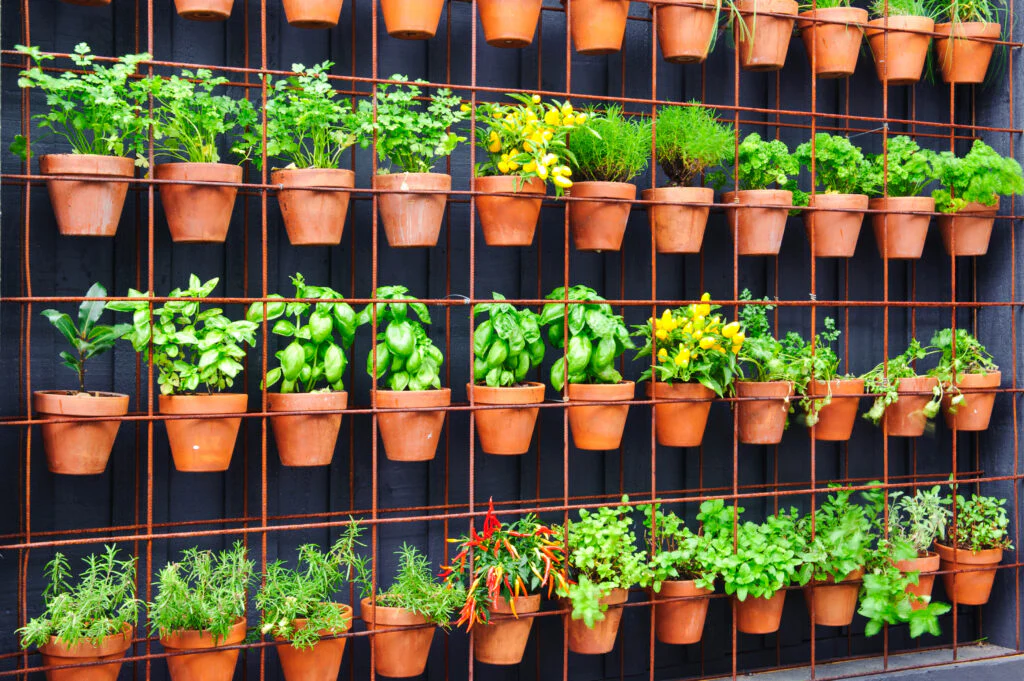
Vertical gardening is a game-changer for limited areas. You can use wall-mounted planters, hanging baskets, or repurposed shelves to grow a variety of plants. Vines, herbs, and leafy greens thrive in vertical arrangements. Install trellises or stack crates to create a tiered structure for greenery that optimizes unused space along walls or fences. Think tall instead of wide; this approach adds dimension to your garden without intruding on floor space.
Container Gardening
When soil space is scarce, containers offer immense flexibility. Choose pots of varying sizes to grow vegetables, flowers, or succulents. Lightweight materials like fabric grow bags or plastic containers are easy to move and maintain. Pair containers with wheeled stands if mobility is a concern. Ensuring proper drainage and soil quality helps plants flourish in a confined setup.

Space-Saving Layouts
Plan thoughtfully to fit multiple plants into a small area. Square-foot gardening, for instance, divides your garden into smaller sections, allowing you to grow diverse crops densely. Use companion planting—pairing plants that benefit one another—to maximize yield and save room. Arrange taller plants on edges where they won’t overshadow smaller ones.
Upcycled and Multi-Purpose Items
Use creative, upcycled items like old ladders, pallets, or shoe organizers for plant storage. These repurposed objects can function as planters or organizing racks. Incorporate furniture that doubles as plant holders, such as benches with built-in planting spaces or decorative carts. This approach keeps your area functional without compromising aesthetics.
Small-Space Terrariums
Indoor gardening can thrive in glass containers like terrariums. These self-sufficient ecosystems require minimal space and maintenance. Choose decorative designs to complement your living environment while showcasing beautiful plants like ferns or mini succulents.
By embracing these techniques, you can create an eye-catching and productive green space with limited room. Select methods based on your available space and desired plant types, experimenting as needed to find what works best.
Vertical Gardening: Maximizing Growing Space
When you’re working with limited space, vertical gardening offers a practical and aesthetic solution to grow more in less area. By utilizing walls, railings, or specially designed structures, you can transform unused vertical surfaces into lush, productive gardens. This method is ideal for balconies, small patios, or even tiny backyards.
Start by choosing the right containers. Look for stackable planters, wall-mounted pots, or pocket-style systems made from fabric. These options work well for growing herbs, flowers, and even vegetables like lettuce, cherry tomatoes, or peppers. Hanging baskets are a great choice for trailing plants like strawberries or ivy, adding both function and beauty to your garden.

Placement is crucial for success. Ensure your vertical garden receives adequate sunlight by positioning it in a south-facing or well-lit area. If natural light is insufficient, consider adding grow lights. Proper airflow is also important to prevent mold or mildew from developing on plants growing closely together.
Watering for vertical gardens requires special attention. Gravity can cause water to drain quickly from upward-facing containers. Use a drip irrigation system if possible for even moisture distribution or water manually starting from the top and working your way down. Incorporating a water retention layer, such as coco coir or moss, in your pots ensures plants stay hydrated without becoming oversaturated.
To keep your plants thriving, consider adding trellises or netting for those with climbing tendencies, like beans or cucumbers. This not only encourages vertical growth but also prevents plants from taking up ground space. Fertilizing every few weeks supports nutrient-dense soil as vertical containers can lose nutrients faster than traditional beds. Prioritize organic or slow-release fertilizers to avoid overfeeding.
Container Gardening: The Key to Flexibility
Container gardening allows you to maximize your small urban space while maintaining versatility in how you grow plants. With container gardening, you’re not limited by soil conditions or permanent layouts. Containers come in various shapes, sizes, and materials, making them adaptable to balconies, patios, window ledges, or even indoor spaces.
When choosing containers, opt for ones that offer adequate drainage, as this prevents waterlogging and reduces the risk of root rot. You can use pots made of ceramic, terracotta, wood, plastic, or even upcycled items such as old buckets or crates. This flexibility means you can adjust your garden as seasons change or as sunlight shifts throughout the year.

You should select plants that thrive in confined spaces and align with your intended purpose whether it’s growing food, beautifying the surroundings, or purifying indoor air. Herbs such as basil, mint, and thyme are excellent choices for culinary use, while flowers like petunias and marigolds add color and vibrancy. Leafy greens such as lettuce and spinach are ideal for fresh salads.
To enhance productivity, consider grouping plants with similar water and light requirements in the same container. Vertical arrangements using tiered pots or hanging baskets can maximize the use of space and create visually appealing layers of greenery.
Container mobility is a huge advantage. You can move plants to sunnier areas or bring them indoors during harsh weather. This gives you control over their environment, ensuring healthier growth and better yield. Additionally, it allows you to experiment with different arrangements and styles without committing to permanent fixtures.
Maintaining Your Micro Garden: Tips for Thriving Plants
To keep your micro garden lush and productive, routine care is essential. Although small in size, your garden requires attention to details that can make the difference between struggling plants and thriving greenery.
Start by ensuring your plants receive the right amount of water. Overwatering is as harmful as underwatering. Check the soil moisture regularly with your finger; it should feel slightly damp, not soaking wet or dry like powder. If you’re using pots with drainage holes, watch for water seeping out the bottoms to confirm excess moisture is draining away.
Light is another key factor. Each plant has specific light requirements—some thrive in direct sunlight, while others do better in partial shade. Monitor how the light in your chosen space changes throughout the day, adjusting plant placement if necessary. If natural light is limited, consider using grow lights to supplement.
Use high-quality soil to provide your plants with essential nutrients. However, soil alone won’t sustain them forever. Fertilize appropriately based on the type of plants you’re growing. For example, leafy greens may need a nitrogen-rich fertilizer, while flowering plants might require one with extra phosphorus.

Pests can be a challenge even in urban spaces. Inspect your plants routinely for signs of pests such as yellowing leaves, white spots, or webbing. If you notice issues, try natural remedies like neem oil or insecticidal soaps to minimize chemical interventions.
Pruning regularly helps promote new growth. Snip off dead leaves or overcrowded sections to allow air circulation, which reduces fungal infections. Rotating your pots occasionally can prevent plants from leaning toward light and ensures even growth.
Lastly, keep track of your plants’ progress. Maintain a simple diary or take photos periodically to monitor changes, so you can adapt your care routine if needed. By staying attentive, you’ll nurture a vibrant, healthy micro garden in your small space.
Sustainable Practices: Eco-Friendly Micro Gardening
Implementing sustainable practices in your micro gardening endeavors can help you nurture not only your plants but also the environment. Start by choosing organic or heirloom seeds. Avoid genetically modified seeds and opt for those that are locally sourced, as they are better suited to your region’s conditions and support biodiversity.
When selecting containers for your garden, repurpose items like old buckets, wooden boxes, and glass jars. This approach minimizes waste and gives a second life to materials that might otherwise be discarded. Ensure that these containers have adequate drainage to prevent waterlogging your plants’ roots.
Water conservation is pivotal in eco-friendly gardening. Utilize methods like drip irrigation, self-watering systems, or collecting rainwater in barrels to hydrate your plants responsibly. Water them during cooler times of the day, such as early morning or late evening, to reduce evaporation. Mulching is another sustainable practice; it retains soil moisture and regulates temperature, further reducing water usage.

For soil, composting is a perfect way to recycle kitchen scraps and garden waste. Create nutrient-rich, natural fertilizer using items like fruit peels, coffee grounds, and dry leaves. This not only boosts your plant health but also eliminates the need for synthetic fertilizers and chemical additives.
Control pests naturally by introducing companion plants, such as marigolds to deter aphids, or using homemade remedies like neem oil sprays. Encourage beneficial insects like ladybugs by providing diverse plant life.
Opting for renewable tools, like those made from bamboo or recycled materials, ensures a minimal environmental impact. Regularly maintaining these tools will extend their lifespan, making your gardening practices even more sustainable. By applying these mindful, eco-conscious strategies, you contribute positively to the planet while enjoying your lush micro garden.
Overcoming Common Challenges in Urban Micro Gardening
Urban micro gardening presents unique challenges due to limited space, inconsistent sunlight, and an urban environment that may not always be plant-friendly. Addressing these challenges is crucial to maintaining a thriving green space.
Lack of Space
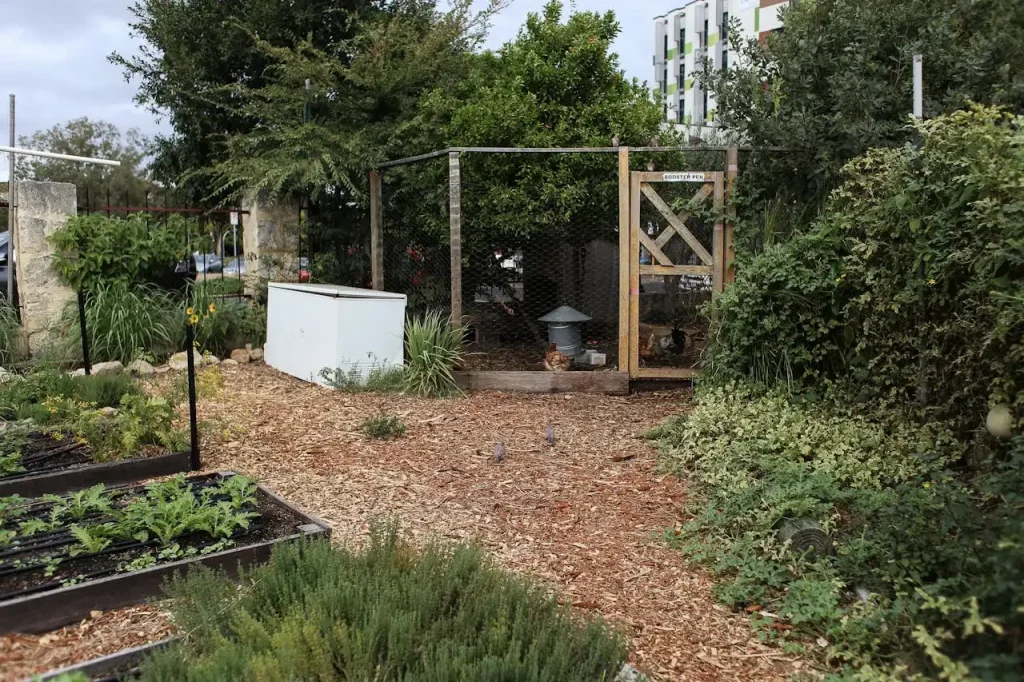
To maximize limited space, you can adopt creative solutions like vertical gardening, hanging planters, or tiered shelving. Look for walls, railings, or balconies where you can install planters to grow your plants upward, saving precious floor area. Compact, multi-functional designs like stackable planters also allow you to optimize your space for a diverse selection of plants.
Limited Sunlight
Many urban spaces lack consistent or direct sunlight due to tall buildings or obstructed windows. Choose plants that thrive in low-light conditions like ferns, pothos, or herbs such as parsley and mint. You can also invest in grow lights, which mimic natural sunlight and promote plant growth in areas with little to no sun exposure.
Poor Soil Quality
Urban dwellers might struggle with subpar soil from local stores or nearby sources. Opt for high-quality potting mix enriched with organic matter to ensure essential nutrients for your plants. You can also consider composting plant remains, kitchen scraps, or coffee grounds to enrich the soil over time.
Water Drainage Issues
Improper drainage in pots or planters can lead to overwatering and root rot. Always select containers with drainage holes and use materials like gravel at the bottom to enhance drainage. Self-watering planters are also an excellent option to manage water levels efficiently.
Pest and Pollutant Problems
Pests like aphids or urban pollutants can damage your plants. To mitigate this, check your plants regularly for signs of pests, use neem oil sprays as a natural remedy, and consider installing physical barriers like netting. Growing indoors? Use air-purifying plants to combat indoor air pollutants.

By tackling these obstacles, you create a sustainable and flourishing urban garden that transforms your small space into a thriving green haven.
Design Ideas: Turning Your Micro Garden into a Visual Delight
Creating a visually appealing micro garden not only enhances your space but also gives you a sense of satisfaction. When designing your mini green haven, focus on ways to maximize beauty and functionality simultaneously.
Play with Vertical Space
In small urban settings, vertical gardening is a game-changer. Use wall-mounted planters, hanging baskets, or trellises to utilize vertical surfaces. Plants like pothos, ferns, or even strawberries thrive in such setups and can create a cascading green effect that draws the eye upward.
Mix Plant Heights and Textures
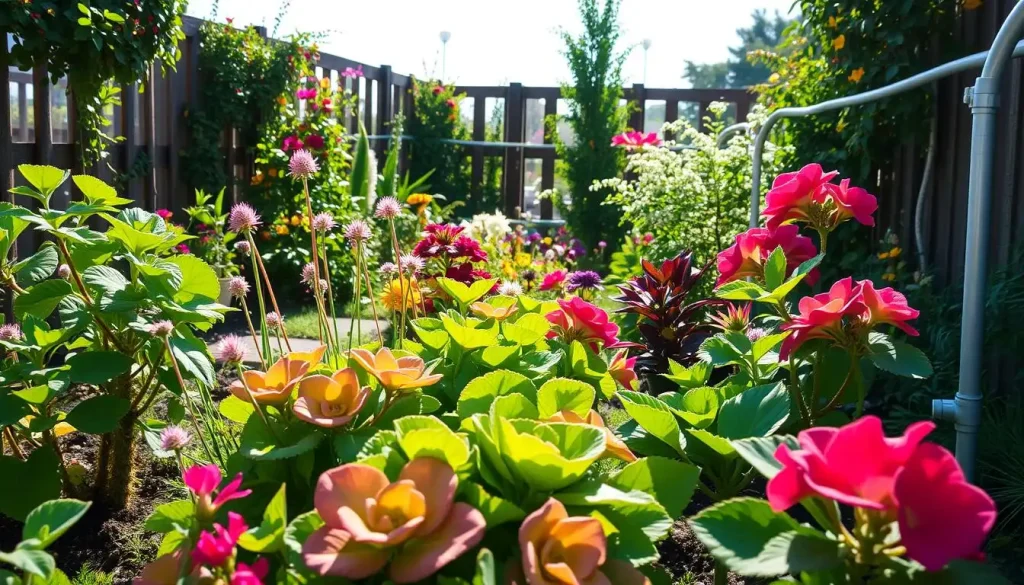
Combine plants of various heights and textures to add depth and intrigue to your garden. Pair tall, spiky succulents with trailing ivy or soft moss. Mixing foliage colors, like deep greens with pops of purple or red, can make the arrangement even more dynamic.
Invest in Stylish Containers
Use attractive pots and planters to elevate the overall look of your garden. Choose containers with unique patterns, bold colors, or natural materials like bamboo or terracotta. Consider grouping planters of different sizes for an organic yet purposeful display.
Incorporate Decorative Elements
Add charm to your garden with small decorative items such as fairy lights, polished stones, or miniature sculptures. Upcycled items, like old mugs or mason jars, can also create a quirky and sustainable accent.
Define Pathways and Edges
If your micro garden is on a balcony or patio, outlining areas with stepping stones, tiles, or low wood borders can create a sense of structure. This helps distinguish gardening spaces while keeping your setup neat and organized.
By layering these elements thoughtfully, you can transform even the tiniest space into a vibrant and inviting oasis.
Harvesting and Enjoying Your Urban Micro Garden
When your urban micro garden starts to flourish, harvesting becomes one of the most rewarding parts of your journey. To get the most out of your small-space garden, you’ll need to know when and how to properly pick your produce. Timing plays a crucial role, as harvesting too early may affect flavor and freshness, while harvesting too late could lead to reduced quality. Pay close attention to growth signs such as color, size, and texture for each type of plant you’ve grown.
Tips for Harvesting
- Leafy Greens: For greens like spinach, lettuce, or kale, pluck only the outer leaves so the plant continues to grow and produce. Harvest at regular intervals to maintain production and prevent bolting.
- Herbs: Snipping herbs such as basil, cilantro, or mint at the stems encourages bushier growth. Make sure you don’t strip the plant entirely; leave enough so it regenerates quickly.
- Fruits and Vegetables: Tomatoes, peppers, and cucumbers are best harvested when they’re fully ripe for optimal flavor and nutrients. If you grow root vegetables like carrots or radishes, check the size by gently pulling one before harvesting the rest.
Storing Your Produce
Keep freshly harvested greens, herbs, and vegetables in a cool environment to preserve their quality. Use perforated plastic bags for refrigeration, or wrap herbs with a damp paper towel inside a sealed container. For long-term storage, consider freezing blanched pieces or drying herbs to retain their flavors over time.
Enjoy the Fruits of Your Labor
You can incorporate your homegrown produce into flavorful meals that reflect your creativity. Make vibrant salads, fresh pesto sauces, or nourishing soups. There’s something special about cooking with ingredients you’ve carefully nurtured yourself – it adds both taste and pride to every dish!

Conclusion: Cultivating a Green Haven in Limited Space
When creating your urban micro garden, you embrace the opportunity to merge innovation with nature right in the heart of your home. With even the smallest balcony, patio, windowsill, or wall space, you can curate a lush, thriving environment that transforms how you see and use your surroundings.
Start by identifying the unique conditions of your space. Take note of sunlight exposure, wind patterns, and temperature fluctuations. With this information, you can select plants that will thrive. For sunlight-heavy areas, consider herbs like basil or bright flowers such as marigolds. If your space is shaded, opt for plants like ferns, peace lilies, or spinach that naturally thrive in lower light.
Using vertical spaces is key to maximizing limited square footage. Install wall planters, use hanging pots, or repurpose ladders as tiered plant stands. You can also explore multi-functional furniture with built-in planter options, combining design and practicality.

Choose containers that not only suit your aesthetic but also fit the needs of your plants. Self-watering pots can simplify your care routine, while recycled materials like tin cans or wooden crates create a unique, sustainable vibe. Soil health is another key factor—consider enriching it with compost or fertilizers tailored to your plant selections.
Watering and maintenance schedules should suit urban gardening’s unique pace. A simple drip irrigation system can be a game-changer for those with busy lives. Also, staying vigilant about pests and plant health lets you address growing issues quickly and efficiently.
With careful planning and thoughtful care, you’ll nurture a vibrant, green haven that elevates your space and connects you to nature in the most rewarding ways.