Growing leafy greens during the cold months may sound challenging, but winter gardening is easier than you think. With the right methods, you can enjoy fresh, crisp, nutrient-rich greens even when temperatures drop. Whether you’re a beginner or an experienced gardener, learning how to grow leafy greens in winter months helps you extend your harvest and enjoy homegrown produce all year long.
This guide covers the best greens to grow, how to protect them from the cold, soil preparation, watering techniques, and expert winter-gardening tips.

Why Grow Leafy Greens in Winter?
Leafy greens thrive in cool weather, making them ideal for winter gardening. Unlike summer vegetables, they prefer lower temperatures and even taste sweeter after a light frost.
Benefits of Growing Greens in Winter
- Sweeter, crunchier leaves
- Less risk of pests
- Lower chance of bolting
- Longer growing window
- Continuous supply of fresh, organic produce
Winter gardening saves money, boosts nutrition, and keeps your garden active year-round.
Best Leafy Greens to Grow in Winter Months
Not all greens tolerate cold the same way. These ones are winter champions:
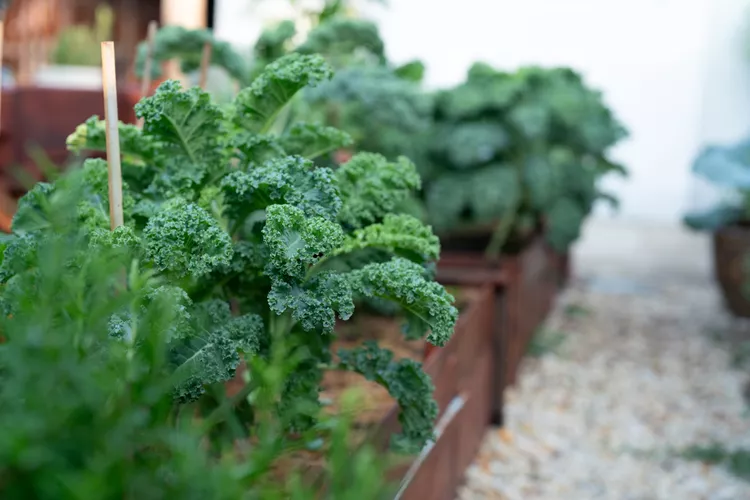
1. Kale
Extremely cold hardy; becomes sweeter after frost.
2. Spinach
Thrives in cool temperatures and survives freezing conditions.
3. Swiss Chard
Tolerates cold and continues growing slowly in winter.
4. Lettuce (Winter Varieties)
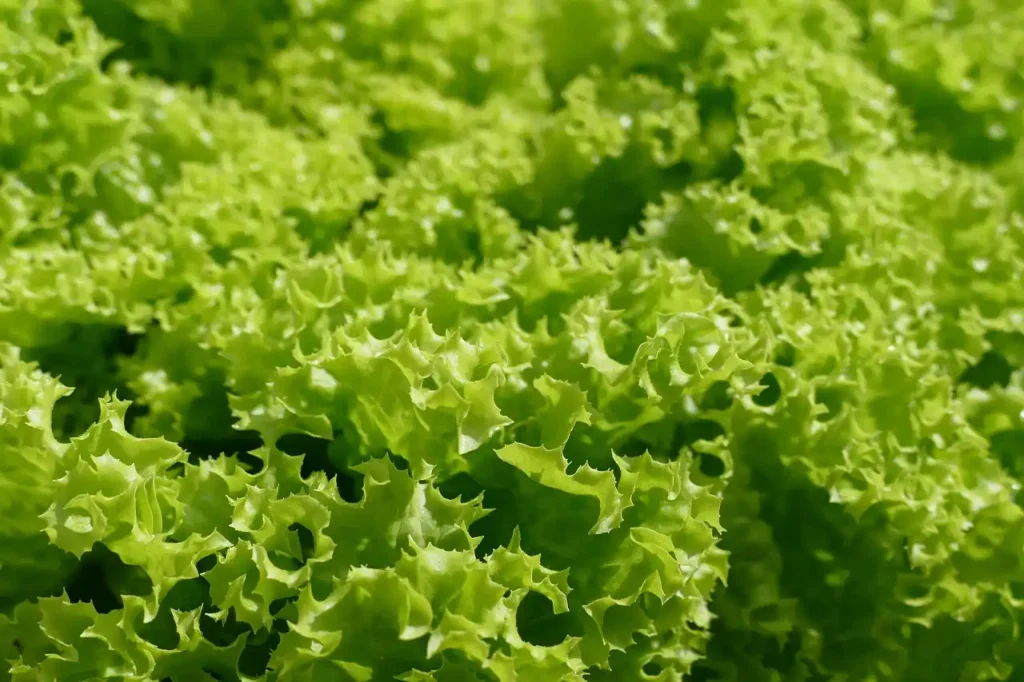
Choose hardy types like Winter Density, Arctic King, or Romaine.
5. Mustard Greens
Grows fast, flavorful, and very frost-tolerant.
6. Arugula
Prefers cold weather and grows quickly.
7. Collard Greens
- Exceptionally hardy; withstands deep cold.
- These greens grow wonderfully in the winter months with basic protection.

How to Grow Leafy Greens in Winter Months
1. Choose the Right Location
Winter sunlight is weaker, so greens need:
- 4–6 hours of sunlight, or
- Bright filtered light
Choose the warmest microclimate in your garden:
- South-facing beds
- Along walls
- Near fences
2. Prepare Rich, Well-Draining Soil
Healthy soil is essential during winter when growth slows.
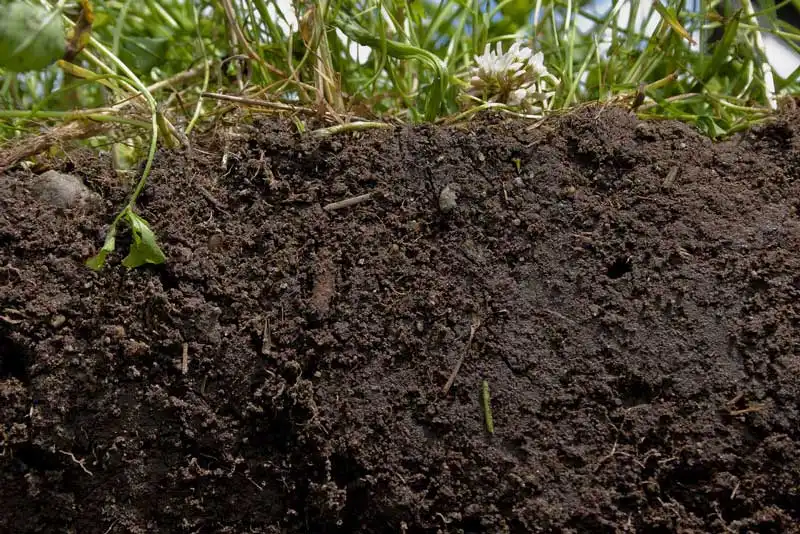
Mix the following:
- Compost
- A handful of organic fertilizer
- Well-rotted manure
- Loose, crumbly topsoil
Good drainage prevents roots from freezing.
3. Plant at the Right Time
For best winter harvests:
- Sow seeds 6–8 weeks before the first frost
- Plant transplants in early fall
- For mild climates, sow continuously all winter
For late planting:
Use low tunnels or cold frames to speed germination.
4. Use Winter Protection Methods

Winter leafy greens don’t need much heat, just protection from frost and cold winds.
Useful protection options:
Cold frames
Mini greenhouses that trap heat and humidity.
Row covers (frost cloth)
Protect leaves from freezing temperatures while allowing air and light.
Low tunnels
PVC hoops + plastic covering = powerful winter protection.
Mulching
Add 2–3 inches of straw, leaves, or compost around stems.
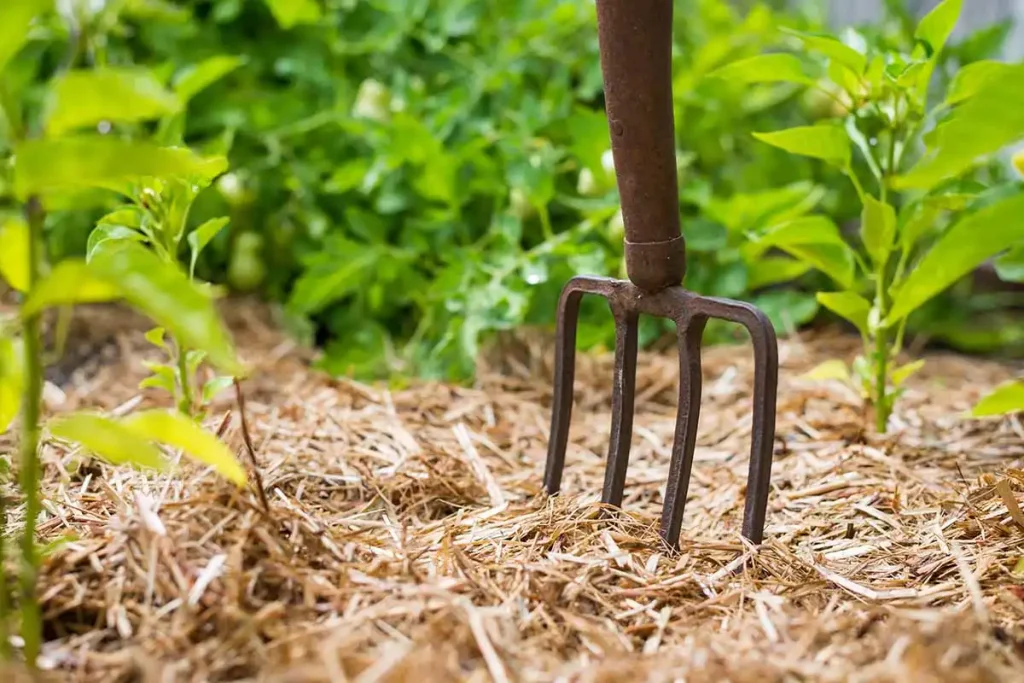
These methods keep greens alive and productive even in freezing weather.
5. Water Carefully in Winter
Overwatering is the biggest mistake.
Winter watering tips:
- Water in the morning to prevent freezing.
- Check soil moisture, only water when the top inch is dry.
- Avoid watering during freezing temperatures.
- Use lukewarm (not hot) water to prevent root shock.
Cold soil stays moist longer, so water less frequently.
6. Fertilize Lightly
Winter growth is slow, so heavy feeding is unnecessary.
Use:
- Liquid seaweed
- Compost tea
- Slow-release organic fertilizer
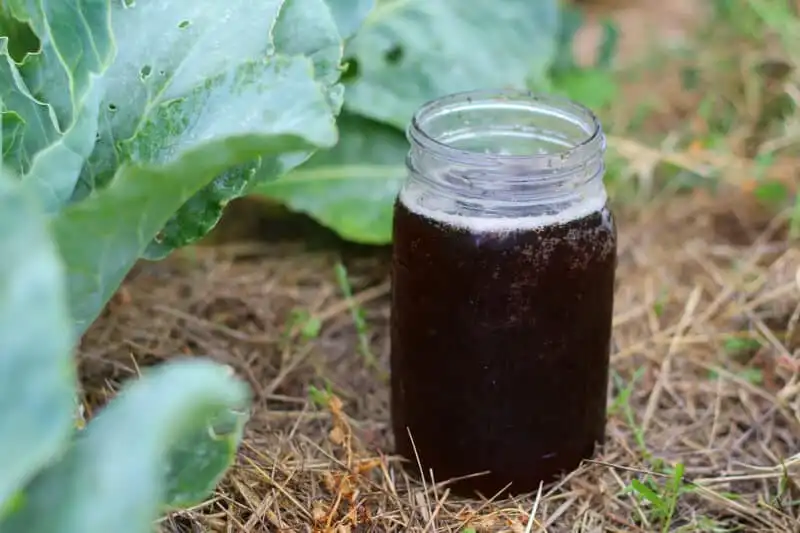
Feed every 4–6 weeks.
7. Thin Seedlings for Stronger Plants
Crowded greens grow weakly in winter.
Thin seedlings to 4–6 inches apart for healthy, full heads.
8. Harvest Regularly
Pick outer leaves first (cut-and-come-again method) to encourage continuous growth.
Winter harvesting tips:
- Don’t remove more than one-third of the plant at once.
- Harvest midday when leaves are thawed.
- Avoid picking frozen leaves, they turn mushy.
Growing Leafy Greens in Containers (Great for Small Spaces!)
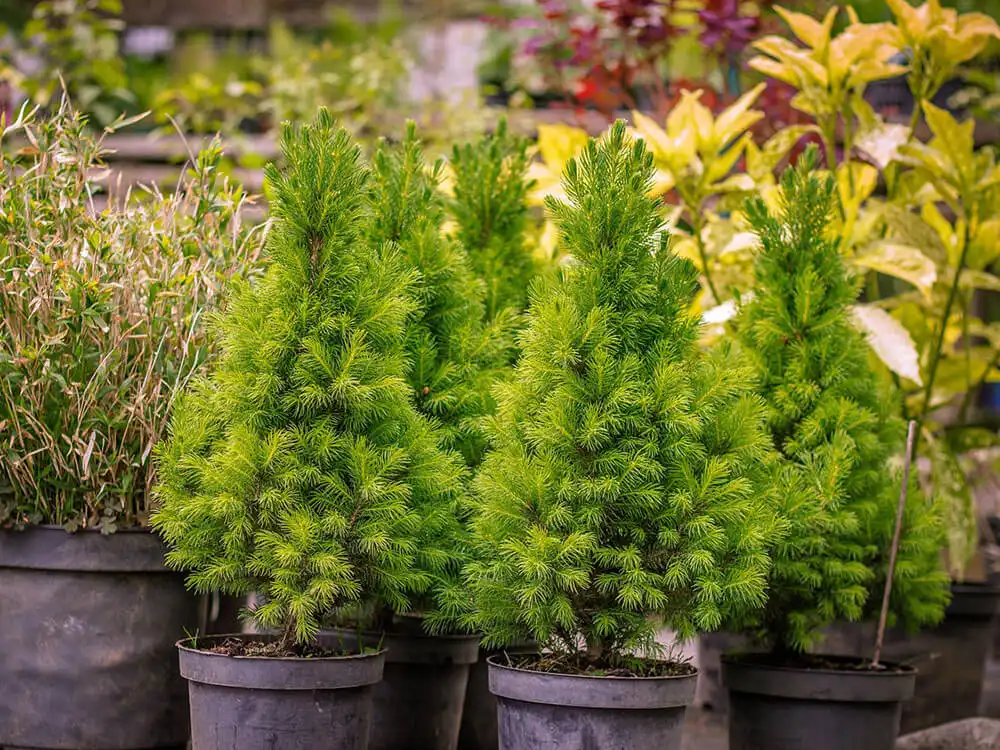
You can easily grow winter greens on:
- Balconies
- Patios
- Small yards
Container tips:
- Use deep pots (8–12 inches)
- Choose frost-proof containers
- Add lightweight potting mix + compost
- Protect pots with fleece on freezing nights
Move containers closer to a sunny wall for extra warmth.
Final Tips for Growing Leafy Greens in Winter Months

- Choose cold-hardy varieties
- Start early to build strong root systems
- Use simple winter protection
- Water less, but water correctly
- Harvest gently and regularly
- Keep soil rich and well-draining
With these techniques, you’ll enjoy a steady supply of fresh, healthy greens even when temperatures drop. Winter gardening is rewarding, delicious, and easier than most gardeners realize!