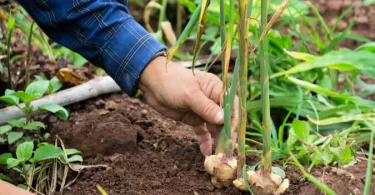
Container gardening is a smart and flexible way to grow plants, especially for people with limited space like balconies, patios, rooftops, or small yards. One of the most overlooked but most important factors in successful container gardening is soil depth. Understanding how to manage soil depth in container gardening can mean the difference between thriving plants and weak, struggling ones.
In this guide, you’ll learn why soil depth matters, how deep soil should be for different plants, common mistakes to avoid, and how to troubleshoot soil depth problems effectively.

Understanding How Plants Absorb Nutrients and Manage Soil Depth
Before applying techniques, it’s important to understand how nutrient uptake works.
Root Structure and Function
- Root hairs absorb water and dissolved nutrients.
- Healthy, well-spread roots mean better contact with soil nutrients.
- Compacted or damaged roots reduce absorption efficiency.
Role of Soil Microorganisms
Beneficial microbes break down organic matter and convert nutrients into forms plants can absorb. Poor planting methods can disturb this delicate ecosystem.
1. Soil Preparation: The Foundation of Nutrient Uptake

One of the most important planting techniques for better nutrient uptake is proper soil preparation.
Loosen the Soil
Compact soil restricts root growth and nutrient movement. Always:
- Loosen soil 8–12 inches deep
- Break clumps and remove debris
- Improve aeration for root expansion
Improve Soil Texture
- Sandy soil drains too quickly, washing nutrients away
- Clay soil holds nutrients but restricts roots
Add:
- Compost
- Organic matter
- Coco peat or leaf mold

This balances moisture retention and nutrient availability.
2. Correct Planting Depth Matters
Planting too deep or too shallow directly affects nutrient uptake.
Best Practices
- Plant at the same depth as the nursery container
- Keep the root crown slightly above soil level
- Avoid burying stems, which can cause rot
Correct depth allows roots to spread freely and absorb nutrients efficiently.
3. Spacing Plants for Optimal Root Development
Overcrowding is a common mistake that limits nutrient uptake.
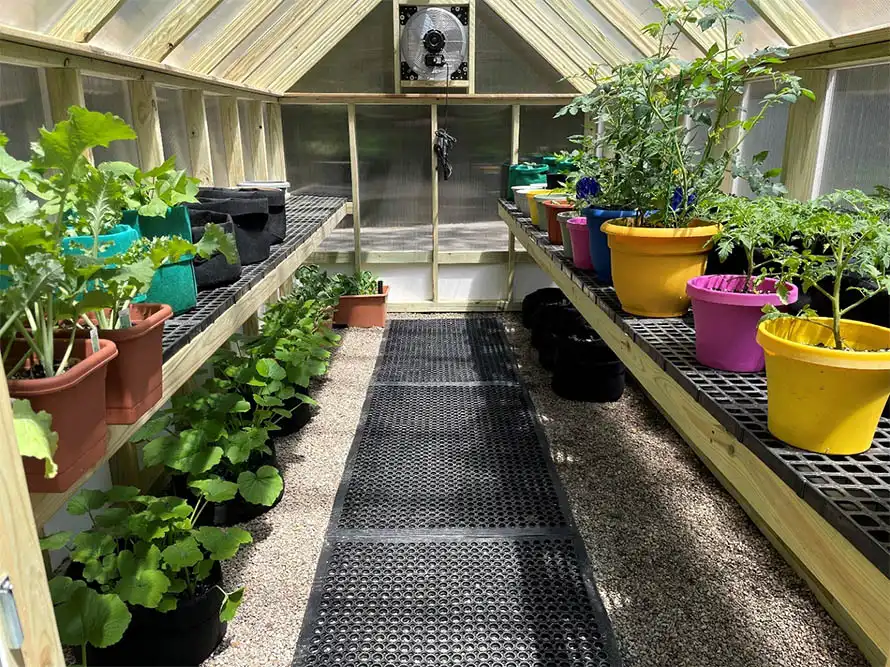
Why Proper Spacing Is Important
- Roots compete for nutrients when plants are too close
- Air circulation improves nutrient absorption
- Reduces disease risk
Always follow recommended spacing guidelines for each plant type to allow full root expansion.
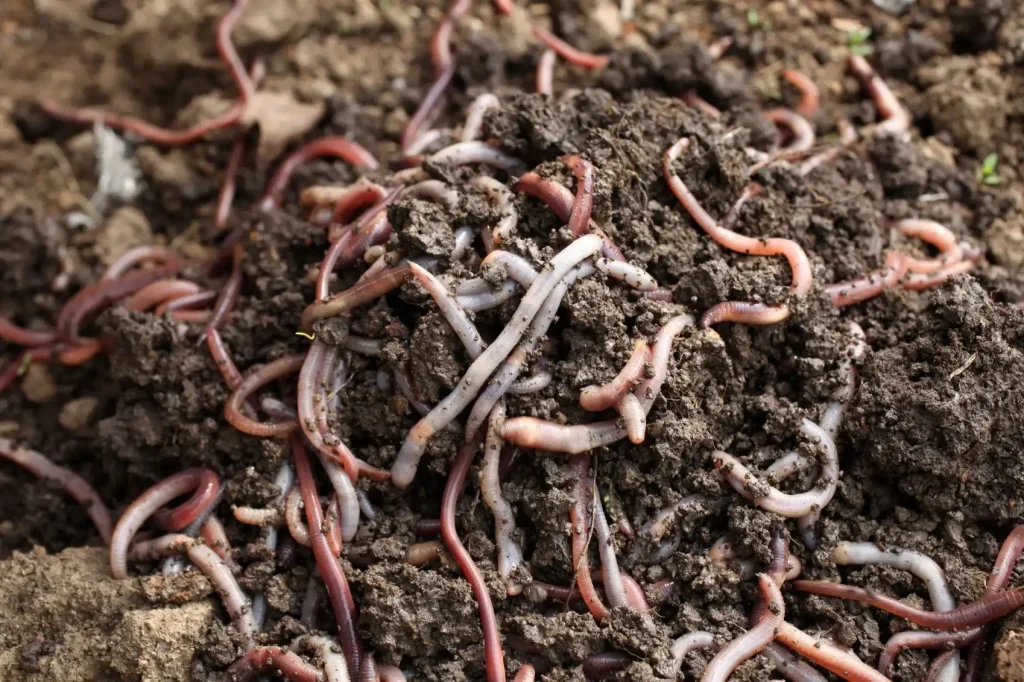
4. Use Organic Matter for Slow Nutrient Release
Organic matter improves nutrient uptake by releasing nutrients gradually.
Best Organic Amendments
- Well-rotted compost
- Vermicompost
- Aged manure
- Bone meal for phosphorus
These improve soil structure and support beneficial microbes that help roots absorb nutrients more effectively.
5. Watering Techniques That Enhance Nutrient Absorption
Water plays a critical role in nutrient transport.
Deep Watering vs Shallow Watering
- Deep watering encourages roots to grow deeper, accessing more nutrients
- Shallow watering keeps roots near the surface, limiting nutrient uptake
Water slowly and deeply to dissolve nutrients and deliver them to the root zone.
6. Mulching to Retain Nutrients
Mulching is an often-overlooked planting technique for better nutrient uptake.

Benefits of Mulching
- Prevents nutrient loss through evaporation
- Maintains consistent soil temperature
- Reduces weed competition
- Adds organic matter as it decomposes
Use organic mulch like straw, bark chips, or dried leaves for maximum benefit.
7. Mycorrhizal Fungi: Nature’s Nutrient Boosters
Mycorrhizal fungi form a symbiotic relationship with plant roots.
How They Help
- Extend the root system underground
- Increase phosphorus and micronutrient absorption
- Improve drought tolerance
Adding mycorrhizal inoculants during planting can significantly enhance nutrient uptake, especially in poor soils.
8. Balanced Fertilizer Placement
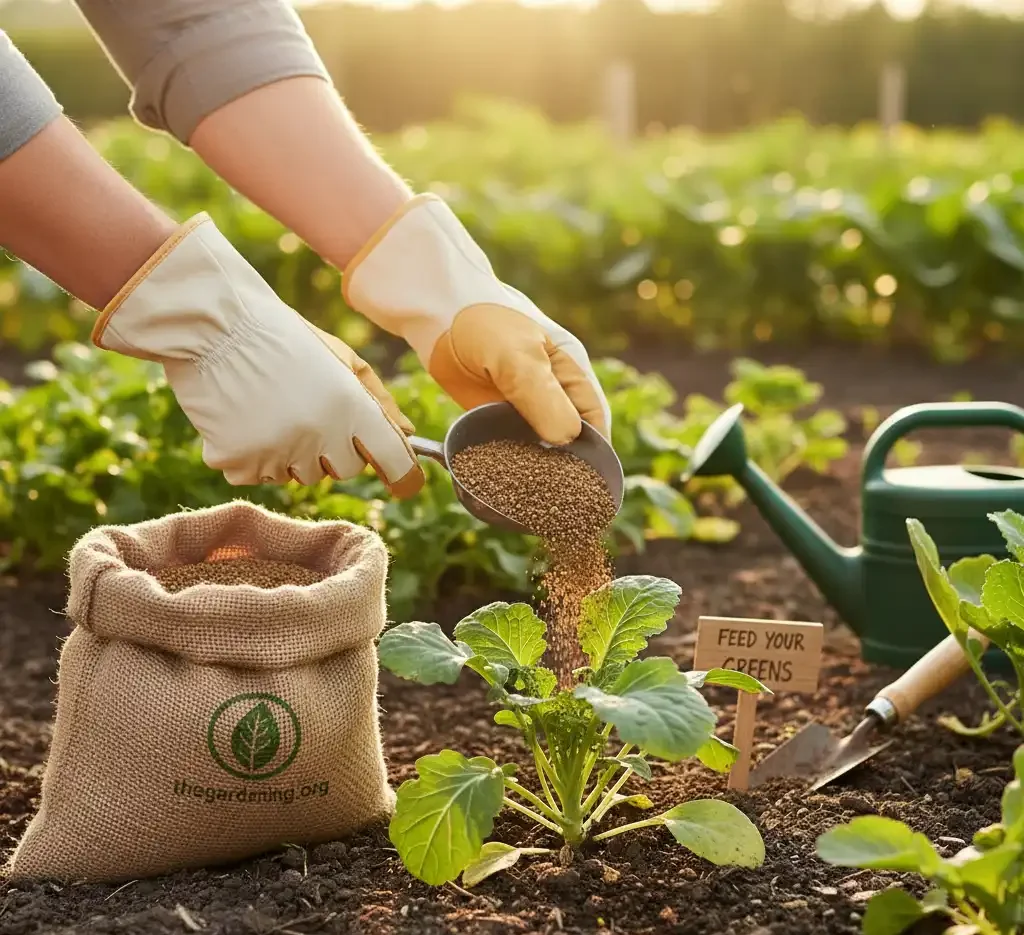
Applying fertilizer incorrectly can reduce its effectiveness.
Smart Fertilizer Techniques
- Mix fertilizer evenly into soil before planting
- Avoid placing fertilizer directly on roots
- Use slow-release fertilizers for steady nutrient availability
Balanced placement ensures nutrients remain accessible to roots over time.
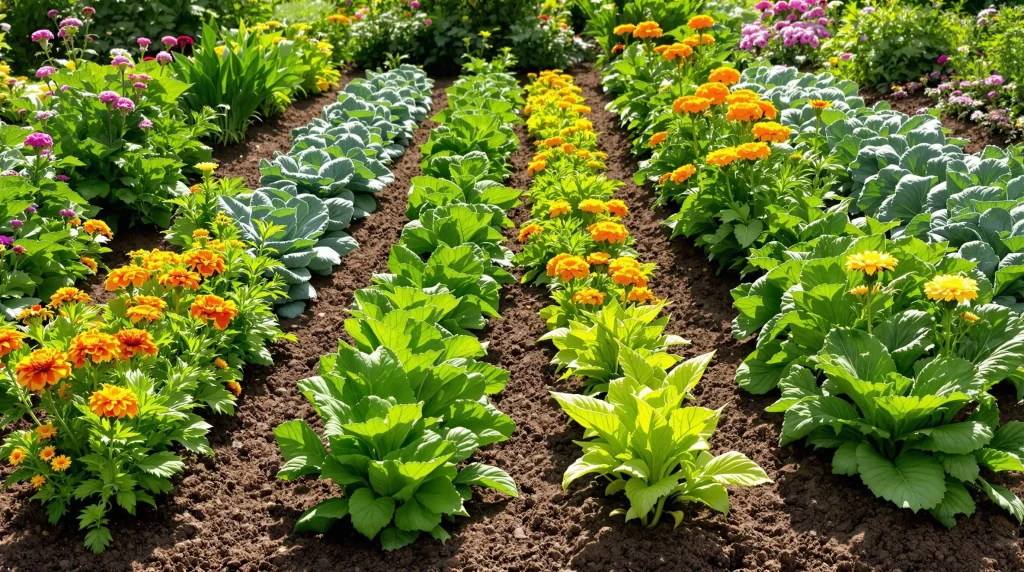
9. Crop Rotation and Companion Planting
Rotating crops prevents nutrient depletion and improves soil health.
Benefits
- Reduces nutrient exhaustion
- Enhances soil microbial activity
- Improves nutrient cycling
Companion planting, such as legumes with vegetables, helps naturally replenish nitrogen levels.
10. Avoid Over-Fertilization
Excess nutrients can damage roots and block nutrient absorption.
Signs of Over-Fertilization
- Leaf burn
- Wilting despite watering
- White salt buildup on soil
Always follow recommended fertilizer dosages to maintain healthy nutrient uptake.
Troubleshooting Table: Nutrient Uptake Problems & Solutions
| Problem | Visible Symptoms | Likely Cause | Solution |
|---|---|---|---|
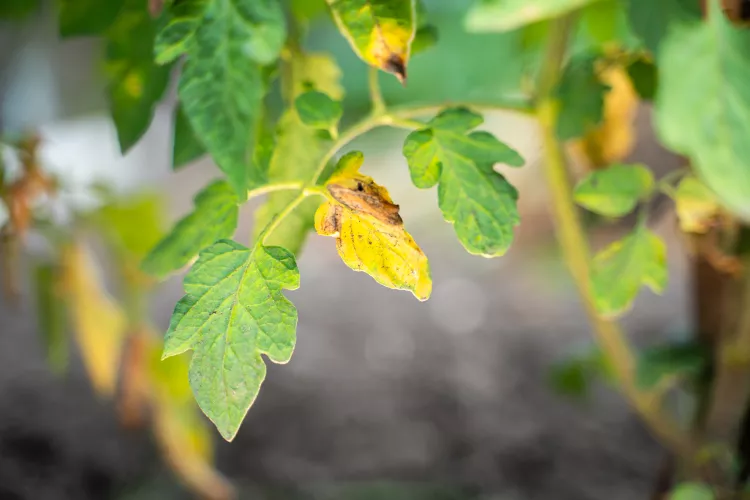
| Yellow leaves | Pale or yellow foliage | Nitrogen deficiency or poor uptake | Improve soil organic matter and water deeply |
| Stunted growth | Slow or no growth | Compacted soil | Loosen soil and add compost |
| Leaf edge browning | Dry or burnt edges | Salt buildup or over-fertilization | Flush soil with water and reduce fertilizer |
| Poor flowering | Few or no blooms | Phosphorus deficiency | Add bone meal or compost |
| Wilting plants | Drooping despite watering | Root damage or poor drainage | Improve drainage and planting depth |
| Purple leaves | Discoloration on older leaves | Phosphorus uptake issue | Adjust soil pH and add organic fertilizer |
| Weak stems | Plants fall over | Potassium deficiency | Use balanced fertilizer and mulch |
Conclusion
Improving nutrient uptake starts at planting time. By focusing on soil preparation, correct planting depth, proper spacing, organic matter, and smart watering, gardeners can significantly enhance plant health without relying on excessive fertilizers.
Applying these planting techniques for better nutrient uptake not only boosts growth but also promotes long-term soil fertility and sustainable gardening success.