Mulching is a game-changer for vegetable gardens, offering benefits like moisture retention, weed suppression, soil temperature regulation, and improved soil health. Choosing the right mulch type for your vegetable garden beds can significantly boost plant growth and yield. This guide explores the best mulch types for vegetable gardens, their benefits, and how to use them effectively to create thriving, productive beds.

Why Mulch Vegetable Garden Beds?
Mulch acts as a protective layer over the soil, helping to maintain consistent moisture, reduce weed competition, and enrich the soil as organic mulches break down. It also moderates soil temperature, keeping roots cool in summer and insulated in cooler seasons. For vegetable gardens, the right mulch can enhance crop quality, reduce maintenance, and support sustainable gardening practices. With so many options available, selecting the best mulch depends on your garden’s needs, climate, and the specific vegetables you’re growing.
Best Mulch Types for Vegetable Garden Beds
1. Straw
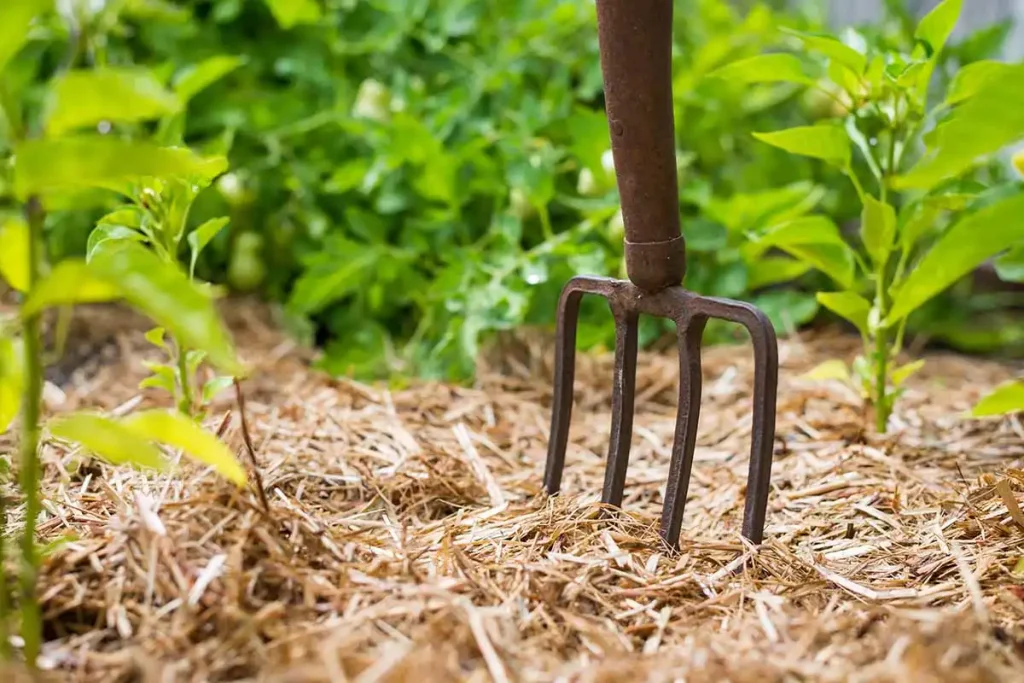
- Description: Straw is the dried stalks of grain crops like wheat or barley, free of seeds to prevent unwanted sprouting.
- Benefits:
- Excellent for moisture retention and weed suppression.
- Keeps soil cool, ideal for cool-season crops like lettuce, spinach, or broccoli.
- Breaks down slowly, adding organic matter to the soil over time.
- Best For: Root vegetables (carrots, beets), brassicas (cabbage, kale), and strawberries.
- Application: Apply a 3–4 inch layer around plants, keeping it 1–2 inches from stems to prevent rot. Replenish as it decomposes.
- Pros: Affordable, widely available, lightweight, and easy to spread.
- Cons: May attract slugs in wet climates; ensure it’s seed-free to avoid weed issues.
- Tip: Source organic straw to avoid pesticide residues, especially for edible crops.
2. Compost

- Description: Well-rotted organic matter from kitchen scraps, leaves, or manure, providing a nutrient-rich mulch.
- Benefits:
- Enriches soil with nutrients as it breaks down, boosting vegetable growth.
- Improves soil structure and microbial activity.
- Moderates soil temperature and retains moisture.
- Best For: Nutrient-hungry crops like tomatoes, peppers, and squash.
- Application: Spread a 1–2 inch layer around plants, avoiding direct contact with stems. Top with another mulch (e.g., straw) for added weed control.
- Pros: Enhances soil fertility, eco-friendly, and often homemade.
- Cons: Can be labor-intensive to produce; may not suppress weeds as effectively alone.
- Tip: Ensure compost is fully decomposed to avoid nitrogen depletion or burning plants.
3. Shredded Bark or Wood Chips
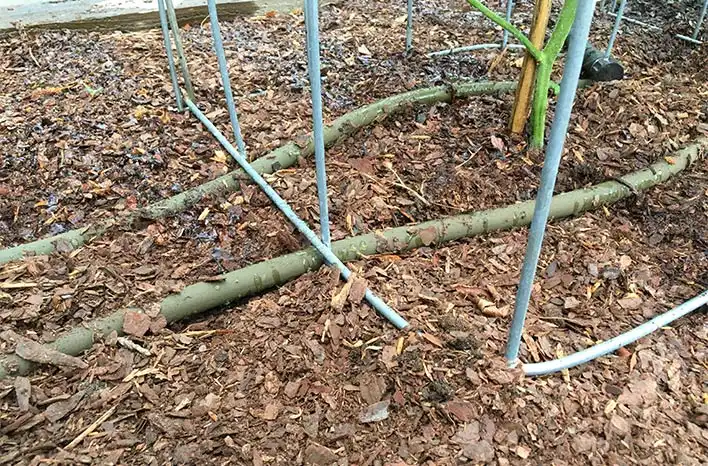
- Description: Finely shredded bark or wood chips from hardwood or softwood trees, often aged for use in gardens.
- Benefits:
- Excellent for weed suppression and moisture retention.
- Long-lasting, breaking down slowly to improve soil over time.
- Provides a neat, attractive appearance.
- Best For: Perennial vegetables (asparagus, rhubarb) or long-season crops (eggplants, zucchini).
- Application: Apply a 2–3 inch layer around plants, keeping it away from stems. Replenish every 1–2 years.
- Pros: Durable, aesthetically pleasing, and widely available.
- Cons: Fresh wood chips can tie up nitrogen; use aged or composted chips for vegetable beds.
- Tip: Avoid using wood chips from treated or dyed wood, which may harm edible plants.
4. Grass Clippings

- Description: Fresh or dried clippings from untreated lawns, free of herbicides or weed seeds.
- Benefits:
- Free and readily available if you mow your lawn.
- Adds nitrogen to the soil as it decomposes.
- Effective for moisture retention and weed control.
- Best For: Fast-growing crops like beans, peas, or cucumbers.
- Application: Apply a thin 1–2 inch layer of dried clippings around plants. Avoid thick layers to prevent matting or odor.
- Pros: Cost-free, nutrient-rich, and easy to apply.
- Cons: Fresh clippings can heat up and harm plants; avoid clippings from herbicide-treated lawns.
- Tip: Let clippings dry for 1–2 days before applying to reduce odor and matting.
5. Leaf Mold or Shredded Leaves

- Description: Decomposed or shredded leaves, often collected in fall and aged for 6–12 months.
- Benefits:
- Improves soil structure and adds organic matter.
- Lightweight and excellent for moisture retention.
- Suppresses weeds when applied in a thick layer.
- Best For: Leafy greens (spinach, chard), onions, or garlic.
- Application: Spread a 2–3 inch layer of shredded leaves or leaf mold around plants. Replenish as needed.
- Pros: Free, eco-friendly, and beneficial for soil health.
- Cons: Slow to decompose if not shredded; may blow away in windy areas.
- Tip: Shred leaves with a mower or shredder for faster breakdown and easier application.
6. Plastic Mulch (Inorganic)

- Description: Black or colored plastic sheeting designed for agricultural use.
- Benefits:
- Warms soil, ideal for heat-loving crops like tomatoes, peppers, or melons.
- Excellent for weed suppression and moisture retention.
- Extends the growing season in cooler climates.
- Best For: Warm-season crops (eggplants, okra, sweet potatoes).
- Application: Lay plastic over soil before planting, securing edges with stakes or soil. Cut holes for planting.
- Pros: Highly effective for weed control and soil warming.
- Cons: Non-biodegradable, requires removal, and doesn’t improve soil health.
- Tip: Use biodegradable plastic mulch for a more sustainable option.
How to Apply Mulch to Vegetable Garden Beds

- Prepare the Bed:
- Clear weeds, rocks, and debris from the garden bed.
- Loosen soil to a depth of 6–12 inches and amend with compost if needed.
- Water the bed thoroughly before mulching.
- Apply Mulch:
- Spread the chosen mulch evenly around plants, aiming for a 1–4 inch layer depending on the material (thinner for compost, thicker for straw or bark).
- Keep mulch 1–2 inches away from plant stems to prevent rot or pest issues.
- For plastic mulch, ensure it’s taut and secure, with precise holes for planting.
- Maintain Mulch:
- Replenish organic mulches as they decompose (every 6–12 months).
- Check for matting or compaction in grass clippings or leaves; fluff or replace as needed.
- Remove plastic mulch at the end of the season to prevent soil degradation.
Common Challenges and Solutions
- Weed Breakthrough: Thin mulch layers or poor-quality materials may allow weeds. Apply a thicker layer (3–4 inches for straw or leaves) or use plastic mulch for better control.
- Pests (e.g., Slugs): Straw or grass clippings can attract slugs in wet climates. Use diatomaceous earth or copper tape around plants, or switch to bark or plastic mulch.
- Nitrogen Depletion: Fresh wood chips or grass clippings may temporarily reduce soil nitrogen. Use aged materials or add a nitrogen-rich fertilizer (e.g., 10-10-10).
- Overheating Soil: Plastic mulch can overheat soil in hot climates. Use light-colored plastic or organic mulch for cooler-season crops.
Tips for Success

- Match Mulch to Crop: Choose straw or leaves for cool-season crops and plastic or compost for warm-season crops to optimize growth conditions.
- Combine Mulches: Layer compost under straw or bark for both nutrient enrichment and weed suppression.
- Seasonal Adjustments: Use heavier mulch (bark or straw) in fall to insulate soil, and lighter mulch (compost or grass clippings) in spring for quick soil warming.
- Sustainability: Opt for organic, locally sourced mulches to reduce environmental impact and enrich soil naturally.
- Aesthetic Appeal: Use uniform mulch like shredded bark for a polished look, or mix textures for a natural, rustic vibe.
Fun Facts About Mulching
- Soil Health Booster: Organic mulches foster beneficial microbes, improving long-term soil fertility.
- Historical Practice: Mulching has been used for centuries, with ancient farmers using straw and leaves to protect crops.
- Water Conservation: Mulch can reduce water evaporation by up to 70%, saving water in dry climates.
Troubleshooting Table
| Issue | Cause | Solution |
|---|---|---|
| Weed growth | Thin mulch layer or poor material | Apply thicker layer (3–4 inches); use plastic mulch for tough weeds. |
| Slug or pest issues | Moist organic mulch | Use diatomaceous earth, copper tape, or switch to bark/plastic mulch. |
| Nitrogen deficiency | Fresh wood chips or grass clippings | Use aged materials, apply nitrogen fertilizer, or mix with compost. |
| Overheated soil | Dark plastic mulch in hot climates | Use light-colored or biodegradable plastic; opt for organic mulch. |
Conclusion
Choosing the best mulch types for vegetable garden beds is key to a thriving, productive garden. Whether you opt for organic options like straw, compost, or leaf mold, or inorganic plastic mulch, each offers unique benefits to suit your crops and climate. By selecting the right mulch, applying it correctly, and maintaining it, you’ll enjoy healthier plants, fewer weeds, and a bountiful harvest. Start mulching your vegetable beds today, and watch your garden flourish with vibrant, delicious produce!