Imagine plucking crisp kale from your garden on a frosty December morning. Snow dusts the ground, but your veggies stay green and ready. This scene shows the magic of raised bed gardening. It lets you grow fresh produce no matter the weather. You gain self-sufficiency and skip store-bought greens in winter.

Raised beds offer key perks for all-season harvests. They let you control soil better than ground plots. This means richer dirt for plants. Beds also shield roots from cold snaps and pests. With smart setups, you extend your growing time. Farmers and home gardeners swear by them. Studies from garden groups show yields can double in these beds.
This guide shares practical ideas, designs, and tips. You’ll learn to build beds that produce veggies year-round. From soil tweaks to crop picks, we cover it all. Start small, and soon you’ll harvest through every season.
Benefits of Raised Bed Gardening for Year-Round Harvests
Raised beds change how you garden. They warm up fast in spring sun. Roots stay cozy in winter chill. This setup beats flat ground for steady crops. You get more from less space. Plus, less bending means easier work for your back.

Think of raised beds as a custom home for plants. They hold the right mix of nutrients. No more soggy roots after heavy rain. Pests struggle to climb up. Weather hits less hard with good design. All this leads to harvests when others quit.
Enhanced Soil Management and Drainage
Raised beds let you build perfect soil from scratch. Mix compost with your yard dirt for veggie boost. Kale loves a pH around 6.5 to 7.0. Test it each spring with a cheap kit. Carrots grow straight in loose, well-drained blends.
Water flows out fast in rainy times. No rot for your broccoli heads. Add sand if your area floods often. Blend in worm castings for slow-release food. Watch plants thrive with this control. It’s like giving veggies a tailored diet.
Keep beds four to six inches above ground. This height improves air flow too. Roots breathe better. Yields jump by 20 to 30 percent, per garden experts.

Protection from Weather Extremes and Pests
Frost bites less in raised beds. Soil insulates roots like a blanket. Elevate beds to block burrowing bugs. Slugs and moles stay out. Use wire mesh at the base for extra guard.
Row covers trap warmth on cold nights. Drape them over like a tent. The Royal Horticultural Society suggests this for brassicas. Cloches shield young shoots from wind. Pull them off on sunny days.
In hot summers, shade cloth cuts sun scorch. Beds dry slower, so plants sip water evenly. This setup fights off diseases too. Fewer wet leaves mean less mildew.
Space Efficiency for Continuous Planting
Small yards fit raised beds like puzzle pieces. Stack them or go vertical for more room. Succession planting keeps spots full. Sow new seeds as old ones fade. No bare dirt all year.
Crop rotation saves soil strength. Swap tomatoes with beans next season. This cuts pest build-up. Plan a four-year cycle for best health. Track it on a simple chart.
Modular beds move if needed. Bolt wood frames for easy tweaks. In tight spots, line them against a fence. Grow up with trellises for climbers. You pack in twice the food.
Designing Raised Beds Optimized for All Seasons

Build beds that last and adapt. Pick strong materials first. Lay out zones for different crops. Add covers for tough weather. These steps make year-round growth simple. Even beginners can follow along.
DIY designs save cash. Sketch your yard on paper. Measure twice, cut once. Good airflow stops mold in damp air. Beds shine in any climate with these ideas.
Choosing Durable Materials for Longevity
Cedar wood resists rot well. It lasts 10 to 15 years outdoors. Galvanized steel holds up to rust. Avoid treated lumber near food plants. Cost runs $50 to $200 per bed.
Aim for 4 by 8 feet wide. This size lets you reach the middle without stepping in. Keep height at 12 to 18 inches for comfort. Drill holes in corners for ties. Line bottoms with cardboard to kill weeds.
Space beds two feet apart. This aids wheelbarrow access. In wet zones, raise higher to dodge floods. Check local stores for kits if you skip building.

Incorporating Climate-Control Features
- Hoop houses extend seasons cheap. Bend PVC pipes over beds. Cover with plastic sheeting. It traps heat like a mini greenhouse. Open ends on warm days.
- Cold frames act as lids for winter. Old windows work great for this. Mulch tops with straw to lock in moisture. In summer, drip lines keep soil even damp.
- Add gravel bases for drainage in clay areas. These tweaks let you grow tomatoes into fall. Veggies push past normal limits here.
Layout Strategies for Crop Succession
- Zone beds by season needs. Put cool lovers like lettuce in shady ends. Warm fans like peppers get full sun spots. Draw a grid on graph paper. Mark rows for easy swaps.
- Companion planting boosts space use. Pair radishes with carrots. They mature at different times. Brassicas go in fall sections. Rotate to keep soil fresh.
- Stagger seeds every two weeks. This gives steady picks. Use labels to track what’s where. Your beds hum with activity all year.
Selecting Vegetables for Year-Round Raised Bed Success

Pick tough varieties that match your zone. Check USDA maps for hardiness. Start seeds inside for head starts. Transplant on warm spells. These choices fill your plate fresh.
Resilient plants handle ups and downs. Focus on quick growers first. Build confidence with easy wins. Soon, you’ll mix in more.
Cool-Season Staples for Fall and Winter
- Spinach bounces back from light frost. Sow in September for November greens. Swiss chard adds color and taste. It lasts through mild winters.
- Garlic bulbs plant in fall. Harvest next summer big. Use row covers to push past freezes. Kale curls sweet after cold nights. Pick outer leaves to keep it going.
- These staples need less fuss. Water deep but rare. They reward with winter salads.
Warm-Season Producers for Spring and Summer
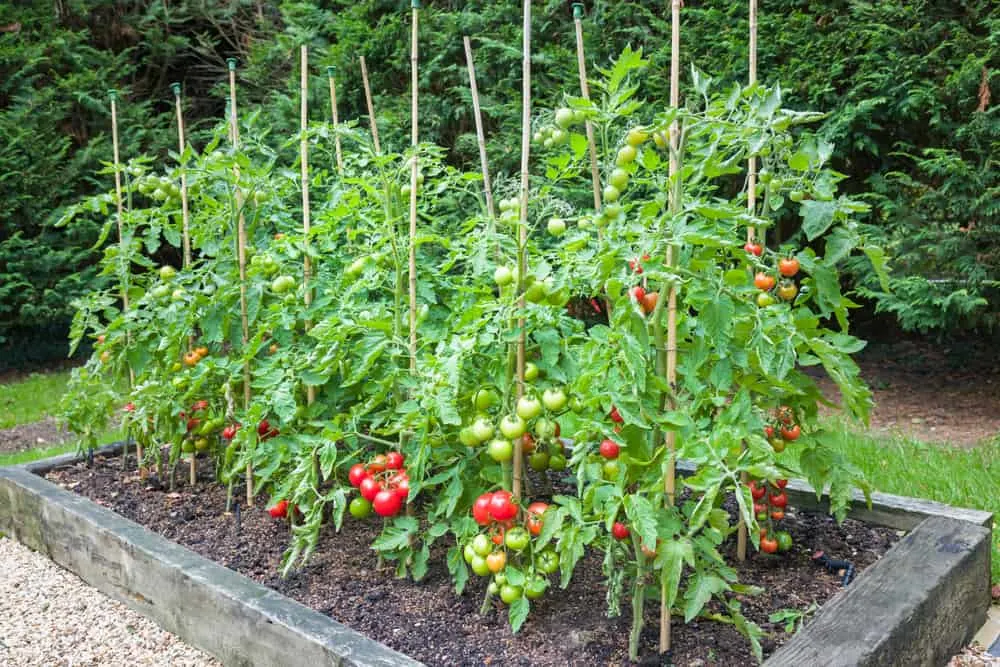
- Tomatoes climb trellises high. Start seeds in February indoors. Peppers love heat; space them 18 inches apart. Bush beans fill gaps fast.
- Set out after last frost. Mulch to hold summer moisture. Trellis saves floor space for more plants. Yields soar in raised warmth.
- Watch for hornworms, but beds cut pest numbers. Fresh salsas come easy here.
Perennial and Overwintering Choices
- Leeks stand tall through snow. Plant in spring for fall digs. Overwinter onions in mulch piles. They green up early next year.
- Strawberries return each season. Tuck them at bed edges. Rhubarb needs space but gives for years. Mulch heavy in November.
- These picks cut planting work. Roots stay safe under covers. Spring brings bonus growth.

Seasonal Strategies and Maintenance Tips
- Follow a yearly rhythm for beds. Clean in off times. Amend dirt as seasons shift. This keeps fertility high. Pests stay low with routines.
- Water smart and feed natural. Your efforts pay in full harvests. Track weather to adjust plans.
Preparing Beds for Each Season Transition
- Spring: Till in clover cover crops. It adds nitrogen free. Test soil for tweaks. Add lime if pH dips low.
- Fall: Clear old plants. Sow rye to shield dirt. Potatoes love fresh compost layers. Annual checks keep things prime.
- Winter preps include thick mulch. It smothers weeds too. Thaw beds gently in March.
Pest and Disease Management Year-Round
- Diversity in crops confuses bugs. Mix flowers like marigolds. They draw good insects. Ladybugs eat aphids quick.
- Hand-pick beetles at dusk. Neem oil sprays work gentle. In beds, spot issues early. Clean tools between uses.
- Rotate to break cycles. Healthy soil fights sickness best.

Watering and Fertilizing Routines
- Drip hoses save water year-long. Set timers for even soaks. Less in winter, more in heat.
- Compost tea feeds microbes. Brew it weekly in summer. Side-dress with fish emulsion for boosts. Roots drink it up.
- Mulch cuts evaporation by half. Check soil moisture by finger test.
Advanced Ideas for Maximizing Year-Round Yields
- Level up with smart add-ons. Greenhouses amp protection. Vertical stacks save room. Sustainable tricks build long hauls.
- These suit pros but scale for newbies. Draw from farm wisdom. Yields climb higher.
Integrating Greenhouses or Polytunnels
- Bolt mini greenhouses to bed sides. Plastic walls hold 10 degrees warmer. Vent tops to stop steam.
- Kits start at $100. Grow tomatoes past frost. Polytunnels cover whole rows. Bend hoops strong.
- Extend peppers into December. Watch for mold in close air.
Hydroponic or Vertical Add-Ons
- Tower systems stack greens up. Lettuce layers in tight spots. Add aquaponics for fish-fed water.
- Pumps cycle nutrients clean. Herbs thrive without soil. Beds pair well for roots below.
- Start small with PVC pipes. Harvest more in less dirt.

Sustainable Practices for Long-Term Productivity
- Catch rain in barrels for free water. No-dig beds keep structure intact. Just top with compost yearly.
- Beets aerate deep as they grow. Rotate them often. Worms multiply in rich layers.
- This path cuts waste. Soil stays alive for decades.
Conclusion
Raised bed gardening unlocks year-round veggie growth. You control soil, beat weather, and pack in crops tight. From cedar frames to row covers, these ideas extend your seasons.
Start with one 4×8 bed. Pick spinach for fall trials. Track what works in your yard. Amend dirt each spring. Soon, fresh eats fill your kitchen anytime.
Grab tools and dig in. Your first winter harvest waits. Homegrown beats store-bought every time.