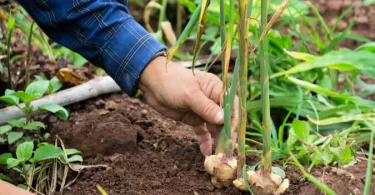
Growing a healthy and thriving home garden starts with one essential factor: proper plant nutrition. While chemical fertilizers may offer quick results, they often harm soil health in the long run. This is why many gardeners are now turning to organic plant feeding methods for home gardens; a safer, more sustainable, and highly effective approach.
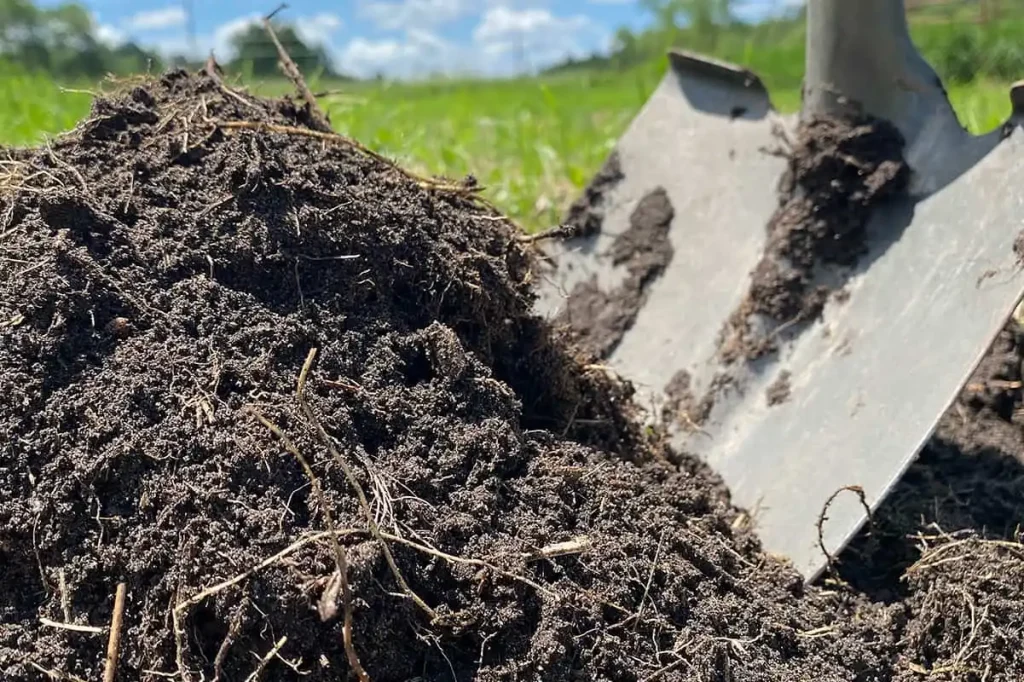
Organic feeding not only nourishes plants naturally but also improves soil structure, encourages beneficial microorganisms, and supports long-term garden productivity. In this guide, you’ll discover the best organic plant feeding methods, how they work, and how to use them effectively for lush, healthy plants at home.
Why Choose Organic Plant Feeding for Home Gardens?
Organic plant feeding focuses on working with nature rather than against it. Instead of forcing plants to grow with synthetic nutrients, organic methods slowly release essential elements into the soil, allowing plants to absorb them naturally.

Key Benefits of Organic Plant Feeding
- Improves soil fertility and structure
- Encourages beneficial microbes and earthworms
- Reduces the risk of over-fertilization
- Safe for children, pets, and pollinators
- Produces healthier, chemical-free fruits and vegetables
By adopting organic plant feeding methods for home gardens, you create a sustainable ecosystem that supports plant growth year after year.
1. Compost: The Foundation of Organic Feeding
Compost is one of the most effective organic plant feeding methods for home gardens. Often called “black gold,” compost enriches soil with nutrients and beneficial organisms.

Benefits of Compost
- Improves soil texture and drainage
- Adds slow-release nutrients
- Boosts microbial activity
- Reduces kitchen and garden waste
How to Use Compost
- Mix into garden soil before planting
- Spread as a top dressing around plants
- Use in pots and containers
Regular compost application ensures long-lasting soil fertility and healthier plants.
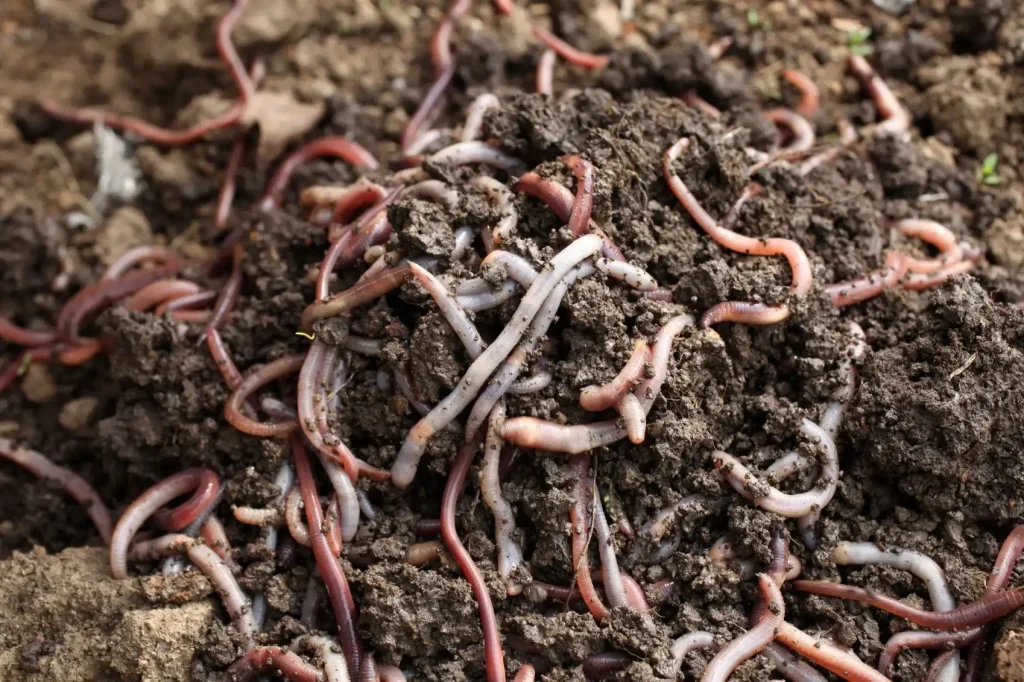
2. Vermicompost (Worm Castings)
Vermicompost is produced by earthworms breaking down organic matter. It’s nutrient-rich, odorless, and gentle on plants.
Why Vermicompost Is So Effective
- Rich in nitrogen, phosphorus, and potassium
- Improves soil aeration
- Enhances seed germination
- Boosts plant immunity
Application Tips
- Add directly to planting holes
- Mix with potting soil
- Sprinkle around roots as a top layer
Vermicompost is ideal for vegetables, flowers, and indoor plants.
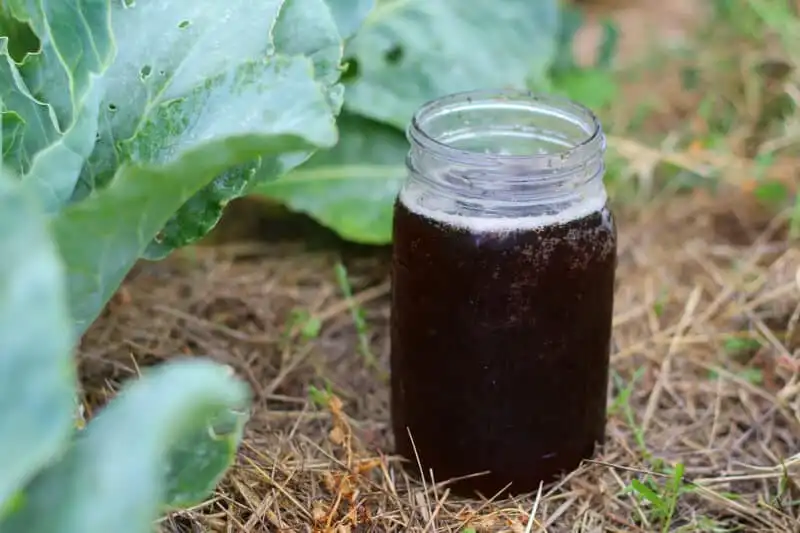
3. Compost Tea for Instant Nutrition
Compost tea is a liquid fertilizer made by steeping compost in water. It delivers nutrients quickly and enhances microbial life.
Benefits of Compost Tea
- Fast nutrient absorption
- Improves plant resistance
- Enhances leaf color and growth
- Ideal for foliar feeding
How to Apply
- Spray directly on leaves
- Water soil around plant roots
- Apply every 2–3 weeks
This method is especially useful when plants show early signs of nutrient deficiency.
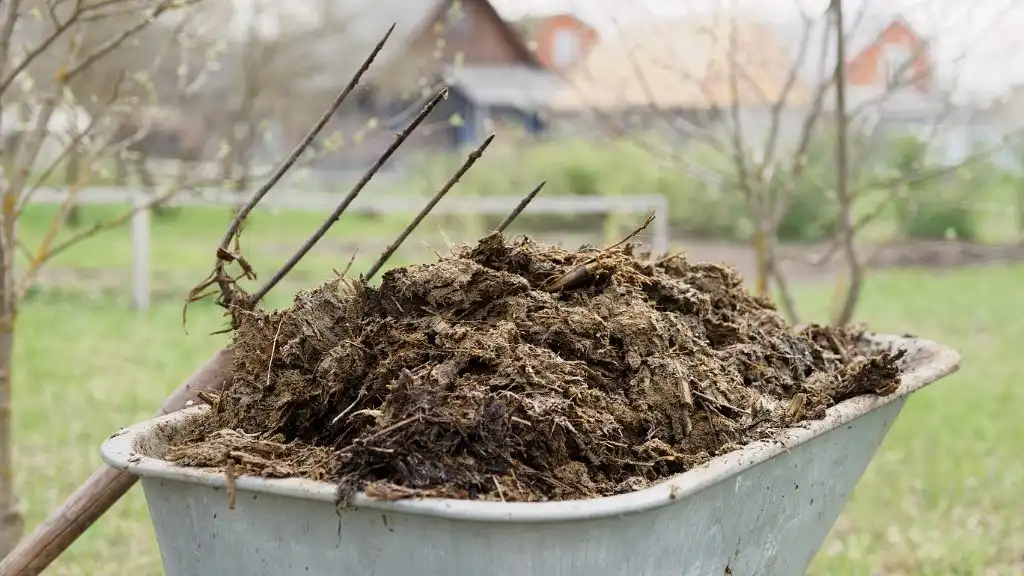
4. Animal Manure (Well-Aged Only)
Animal manure is a traditional organic fertilizer, but it must be well-aged or composted before use.
Best Types of Manure
- Cow manure
- Goat manure
- Chicken manure (very rich, use carefully)
Advantages
- Improves soil fertility
- Increases water retention
- Encourages beneficial organisms
Avoid fresh manure, as it can burn plant roots and introduce pathogens.
5. Green Manure and Cover Crops
Green manure involves growing plants like legumes and grasses and then turning them into the soil.
Popular Green Manure Crops
- Clover
- Alfalfa
- Mustard
- Peas
Benefits
- Fixes nitrogen naturally
- Prevents soil erosion
- Improves soil organic matter
This method is ideal for garden beds during off-seasons.
6. Kitchen Waste as Natural Plant Food
Many household items can be reused as organic plant food.
Common Kitchen Waste Fertilizers
- Banana peels (potassium-rich)
- Eggshells (calcium source)
- Used tea leaves
- Coffee grounds (for acid-loving plants)
These simple organic plant feeding methods for home gardens are budget-friendly and eco-conscious.
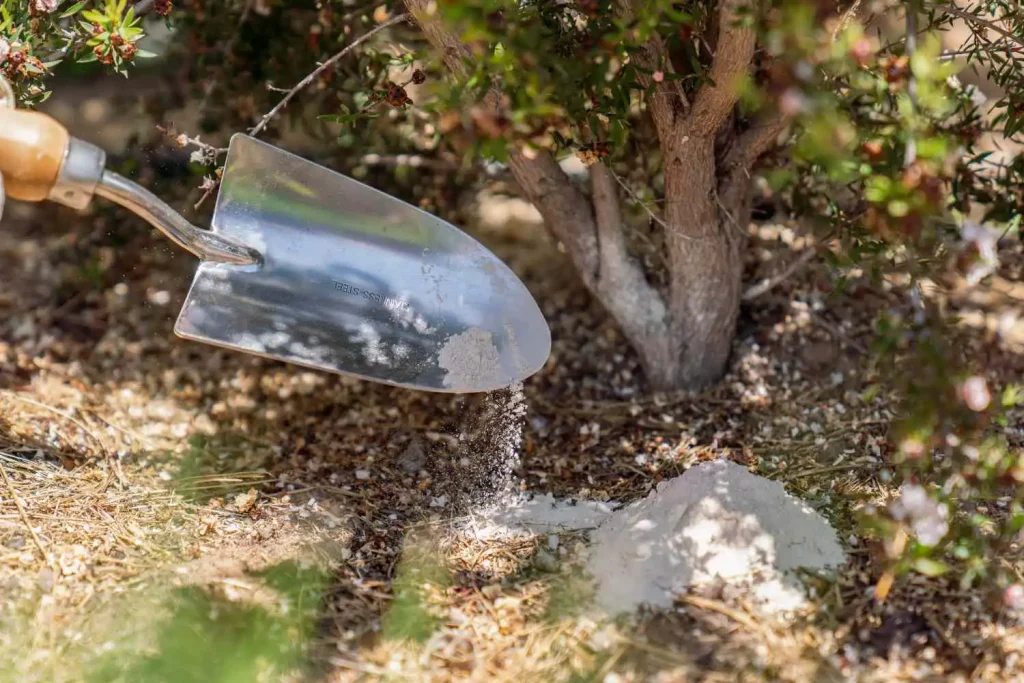
7. Bone Meal and Fish Emulsion
Bone meal and fish emulsion are powerful organic fertilizers for flowering and fruiting plants.
Bone Meal Benefits
- High in phosphorus
- Encourages root growth
- Supports blooming
Fish Emulsion Benefits
- Fast-acting nitrogen source
- Improves leafy growth
- Enhances overall plant vigor
Use these in moderation to avoid nutrient imbalance.
8. Mulching for Continuous Feeding
Mulching is often overlooked, yet it plays a vital role in organic plant feeding.

Organic Mulch Options
- Dry leaves
- Straw
- Grass clippings
- Bark chips
Benefits of Mulching
- Retains soil moisture
- Regulates soil temperature
- Slowly adds nutrients as it decomposes
- Suppresses weeds
Mulching supports plants while reducing maintenance efforts.
Best Organic Feeding Schedule for Home Gardens
A consistent feeding schedule improves results.
Simple Feeding Timeline
- Before planting: Compost or vermicompost
- Growing stage: Compost tea or liquid organic feed
- Flowering stage: Bone meal or fish emulsion
- Maintenance: Mulching and kitchen waste
Adjust feeding based on plant type and growth stage.
Final Thoughts
Choosing organic plant feeding methods for home gardens is one of the best decisions you can make as a gardener. These methods nourish plants naturally, protect soil health, and promote sustainable gardening practices.
By combining compost, vermicompost, natural liquids, and household waste, you can grow a productive, eco-friendly garden that thrives season after season. Organic feeding may take patience, but the long-term rewards; healthier plants, better yields, and safer food—are truly worth it.