Gardening in cold climates comes with unique challenges. Freezing temperatures, short growing seasons, and limited microbial activity can make soil lose its structure and nutrients. However, with the right organic soil maintenance practices, you can keep your garden productive and healthy year-round even in harsh winters. This guide walks you through the essential steps to protect, enrich, and prepare your soil naturally.
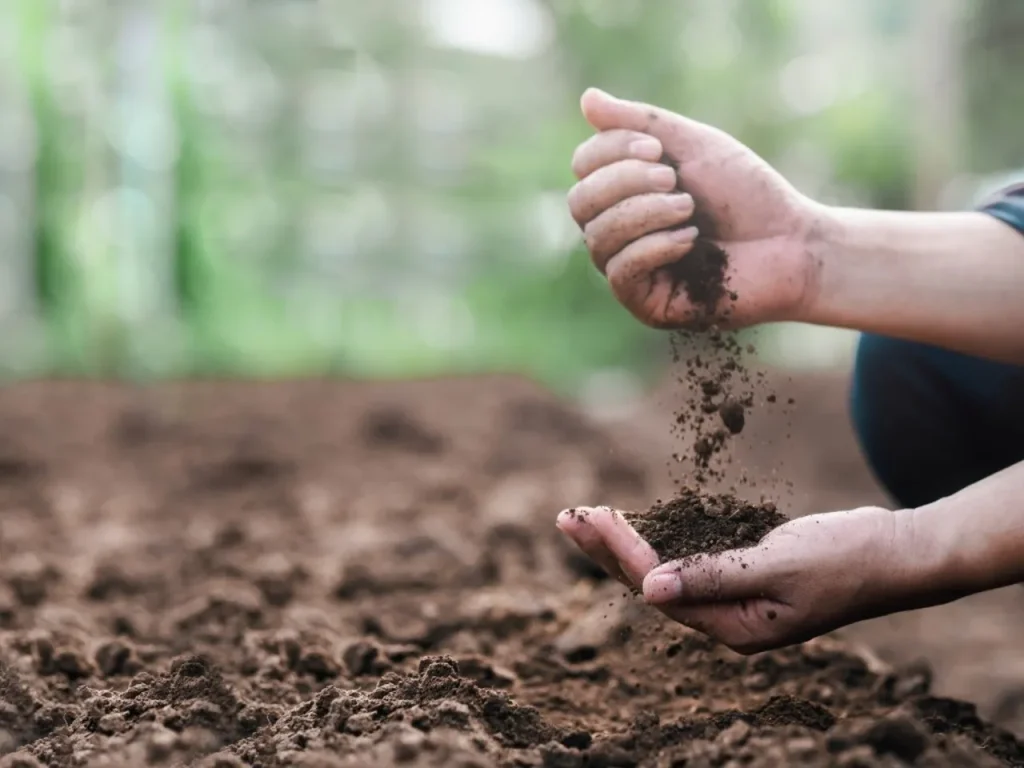
Why Soil Maintenance Matters in Cold Regions
Cold weather slows down biological activity in the soil. Microbes become less active, organic matter breaks down slowly, and the freeze–thaw cycle can compact the soil. Proper maintenance helps:
- Support healthier plants and higher yields
- Preserve nutrients for spring planting
- Improve drainage and prevent root rot
- Protect soil organisms
1. Test and Amend Your Soil Before Winter
Start with a soil test to understand pH levels and nutrient deficiencies. Cold-climate soils often lean toward being acidic.
Organic amendments to add:

- Compost: Boosts nutrients and improves soil structure
- Bone meal: Adds phosphorus for root strength
- Wood ash (in small amounts): Raises pH and adds potassium
- Rock minerals: Slow-release micronutrients
Adding these in late fall gives them time to settle into the soil before freeze-up.
2. Use Mulch as a Winter Blanket
Mulch is one of the most important tools for organic soil care in cold climates.
Benefits of mulching:
- Protects the soil from temperature fluctuations
- Prevents erosion from wind and snowmelt
- Keeps moisture levels stable
- Insulates beneficial microbes
Best organic mulches:
- Straw
- Shredded leaves
- Pine needles
- Wood chips
- Grass clippings (dried)

Apply 3–6 inches of mulch over garden beds before the first hard freeze.
3. Plant Winter Cover Crops
Cover crops act as a living shield for your soil, preventing nutrient loss and erosion.
Cold-hardy cover crops:
- Winter rye
- Hairy vetch
- Clover
- Winter wheat
These plants keep roots in the ground, hold the soil together, and become green manure in spring, enriching the soil with organic matter and nitrogen.

4. Increase Organic Matter Year-Round
The more organic matter in your soil, the better it can withstand freezing temperatures.
Ways to build organic matter:
- Add compost in fall and early spring
- Use chopped leaves as soil conditioner
- Apply manure (well-aged only)
- Incorporate plant-based compost teas
Organic matter acts like a sponge, helping the soil hold nutrients, retain warmth, and improve structure.
5. Improve Drainage to Prevent Waterlogging
Cold climates often face heavy rain, melting snow, and compacted soil.
Improve drainage by:

- Adding coarse compost
- Creating slightly raised beds
- Mixing in sand or small gravel for clay soils
- Avoiding stepping on wet soil
Good drainage prevents ice buildup that can damage soil structure and kill roots.
6. Protect Soil Microbes
Healthy soil biology is essential for nutrient absorption and plant growth.
How to support microbes in winter:
- Keep soil covered with mulch
- Avoid chemical fertilizers
- Avoid turning or disturbing soil too often
- Apply compost tea before winter to boost microbe populations
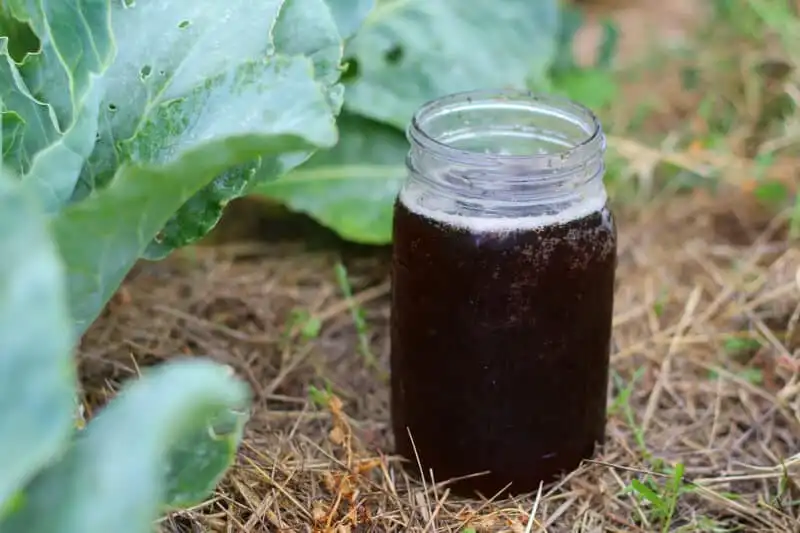
Microbes survive better when the soil stays insulated and nutrient-rich.
7. Prepare Your Soil for Spring
As temperatures warm, remove thick winter mulch gradually to let the soil thaw evenly.
Early spring tasks:
- Add a fresh layer of compost
- Mix in leftover cover crops
- Level soil and check for compaction
- Do a quick pH test again
This ensures your soil is ready to support strong, early growth.
Troubleshooting Guide for Organic Soil Maintenance in Cold Climates

| Problem | Possible Cause | Organic Solution |
|---|---|---|
| Soil becomes compacted after winter | Freeze–thaw cycles, heavy snowfall, or walking on wet soil | Gently loosen soil with a garden fork, add compost, and mix in leaf mold to improve structure |
| Nutrients are depleted in spring | Lack of organic matter, leaching from snowmelt | Add compost, aged manure, and slow-release minerals like rock phosphate |
| Poor drainage or waterlogged soil | Clay-heavy soil or low-lying garden beds | Create raised beds, mix in coarse compost, sand, or fine gravel to improve aeration |
| Soil pH too acidic | Natural cold-climate acidity, excessive conifer needle breakdown | Add wood ash or lime in fall; retest in spring |
| Mulch grows mold | Mulch layer too thick or too wet | Remove excess mulch, let area dry, and switch to breathable mulch like straw or shredded leaves |
| Cover crops fail to grow | Planted too late, soil too cold | Plant earlier in late summer to early fall; choose hardy varieties like winter rye |
| Reduced microbial activity | Freezing temperatures and lack of organic matter | Keep soil covered with mulch, add compost tea before winter, avoid deep tilling |
| Roots freeze in winter | Insufficient insulation | Add 4–6 inches of mulch; use straw or shredded leaves for better insulation |
| Snowmelt erosion | Bare soil or poor ground cover | Use winter cover crops, add mulch, and create windbreaks |
Final Thoughts
Maintaining organic soil in cold climates takes a bit of planning, but the results are worth the effort. With proper mulching, cover cropping, composting, and microbe care, your garden will stay healthy through winter and bounce back stronger in spring.
Organic soil maintenance isn’t just about surviving the cold, it’s about helping your garden thrive year after year.