Growing ornamental trees in compact spaces may seem challenging, but with the right choices and strategies, you can create a lush, green, stylish outdoor area even if you’re working with a small backyard, balcony, courtyard, or rooftop. Ornamental trees add beauty, structure, fragrance, and color to any landscape, and the good news is that they don’t always require large garden areas to thrive.
In urban living, where outdoor space is often limited, selecting compact varieties and using modern planting techniques makes ornamental tree growing easier than ever. This guide will walk you through how to choose the right trees, how to plant them, how to care for them throughout the year, and how to troubleshoot common issues. By the end, you’ll be confident enough to transform even the tiniest area into a stunning, tree-filled sanctuary.
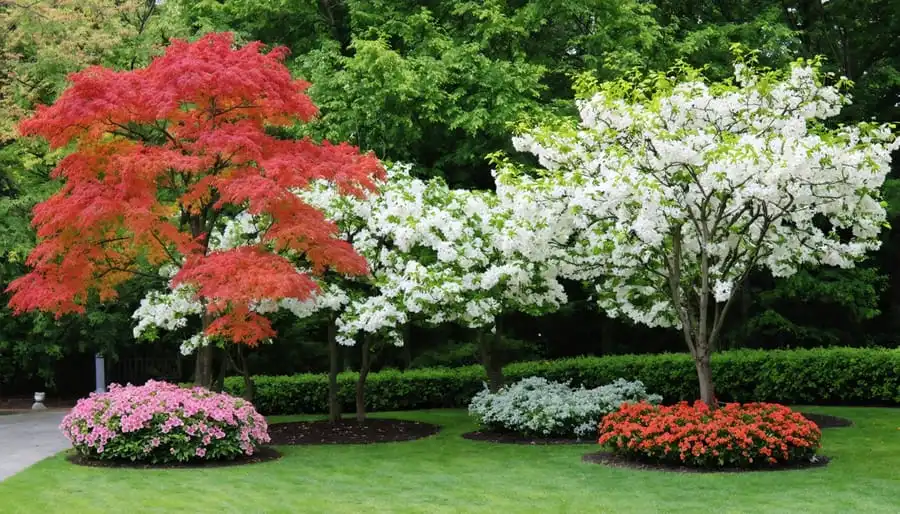
How to Plant Ornamental Trees in Compact Spaces
1. Choosing the Right Container (if container planting)
A good container should:
- Be at least 18–24 inches deep
- Have drainage holes
- Be lightweight (for balconies) or heavy like ceramic (for ground-level patios)
2. Soil Preparation
Use:
- Well-draining potting mix
- Organic compost
- Slow-release fertilizer
Avoid heavy garden soil in containers—it compacts and suffocates roots.

3. Planting Step-by-Step
- Fill the container halfway with potting mix.
- Position the tree at the same soil depth as its nursery container.
- Add soil around roots, pressing lightly.
- Water deeply.
- Add 2–3 inches of mulch (avoid touching the trunk).
Caring for Ornamental Trees in Tight Spaces
Compact-growing trees still need regular care. Here’s how to keep them healthy.
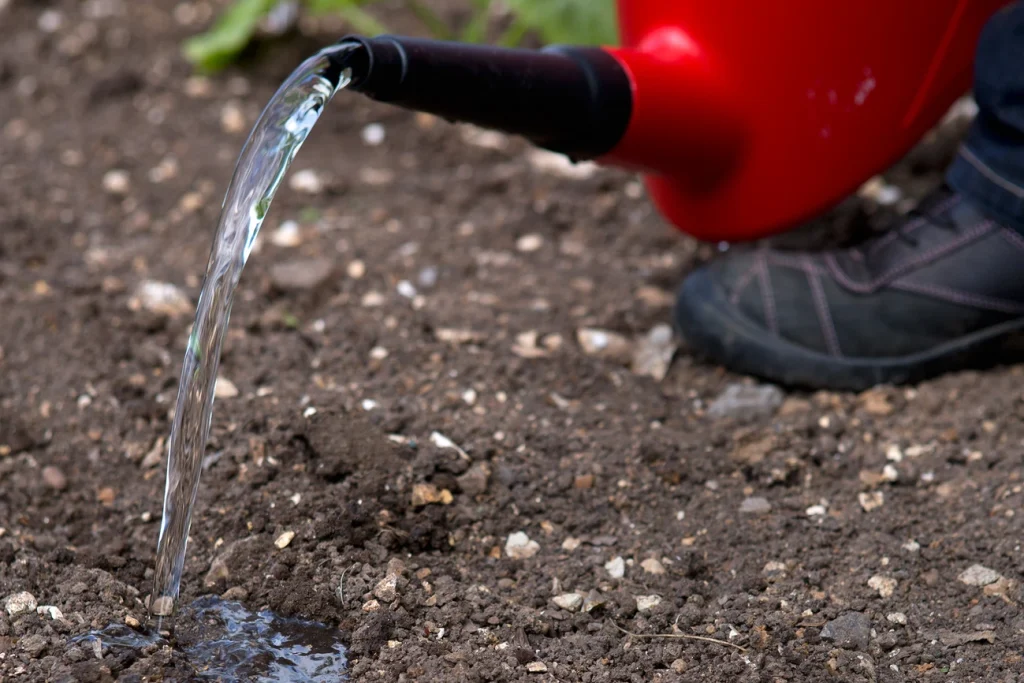
1. Watering
Container trees often need more frequent watering than in-ground trees.
General rule: Water when the top 2–3 inches of soil feel dry.
Avoid overwatering, this is the #1 killer of potted trees.
2. Fertilizing
Feed ornamental trees:
- In early spring
- In mid-summer
- With slow-release, balanced fertilizer
For flowering varieties, choose a fertilizer with higher phosphorus.
3. Pruning
Prune to:
- Maintain size
- Shape the canopy
- Remove dead or crossing branches
Winter or early spring is best for pruning many species.

4. Repotting
Every 2–3 years, repot the tree:
- Trim 10–20% of root mass
- Refresh soil
- Move to slightly larger pot (if needed)
5. Positioning
Rotate container trees every month for even growth.
Troubleshooting: Common Problems & Fixes
Below is a helpful troubleshooting table to quickly diagnose and solve issues with ornamental trees in compact spaces.
| Problem | Symptoms | Probable Cause | How to Fix It |
|---|---|---|---|
| Yellowing leaves | Leaves turn pale or yellow | Overwatering or poor drainage | Reduce watering, add drainage, replace soil with lighter mix |
| Wilting despite wet soil | Leaves droop but soil is moist | Root rot | Remove tree, prune rotten roots, repot with fresh soil |
| Stunted growth | Small leaves, no new shoots | Nutrient deficiency | Add balanced slow-release fertilizer |
| Browning leaf tips | Dry, crispy edges | Underwatering or low humidity | Water more frequently, mist foliage |
| Leaf drop | Sudden or gradual shedding | Temperature shock or pests | Stabilize temperature, check for insects |
| No flowers | Healthy leaves but no blooms | Too much shade or wrong fertilizer | Move to sunnier spot, use phosphorus-rich fertilizer |
| White powder on leaves | Powdery coating | Fungal disease | Apply fungicide, improve air circulation |
| Pests (aphids, mites) | Sticky leaves, webbing, tiny insects | Insect infestation | Use neem oil or insecticidal soap |

Final Thoughts
You don’t need a large garden to enjoy the beauty of ornamental trees. With compact varieties, smart container planting, and thoughtful care, you can transform any small space even a tight balcony into a lush, calming retreat. Whether you prefer flowering, evergreen, or foliage-focused trees, there’s always a perfect option for your compact landscape.
Small spaces can still hold big beauty. With the right strategies and a little creativity, your ornamental trees will thrive and bring life, shade, fragrance, and color to your home for years to come.