Tired of watching your garden plants limp along with weak stems and puny fruits? Many gardeners pour time and money into their plots, only to face slow growth or skimpy harvests that leave you shaking your head. This guide cuts through the fluff. It shares proven, science-backed plant-boosting methods you can apply right away for stronger, healthier growth and bigger yields. We’ll skip the basics like simple watering. Instead, dive into smart strategies for soil, nutrition, water, biology, and stress control that work together for real results.
Mastering the Foundation: Soil Health is Non-Negotiable for Plant-Boosting Methods
Healthy soil forms the base for every thriving plant. Without it, even the best boosters fall flat. Think of soil as the plant’s stomach- deficient or compacted ground starves roots and stalls progress.
- Good soil teems with life and holds structure well. Poor dirt chokes roots and blocks air flow. Start here to unlock your garden’s power.
Soil Structure and Aeration Optimization
- Roots need air to breathe, just like you do. Tight soil packs down and cuts off oxygen, hurting nutrient grab. Loose, crumbly soil lets air and water move freely.
- That “crumb” look comes from bits of soil clumping together. It boosts root spread and fights erosion. Clay soils often turn rock-hard after rain.
- Add gypsum to heavy clay. It breaks bonds without changing pH much. Mix in coarse sand for better drainage. Do this in fall for spring payoff. Test your soil first to see what it needs.

The Power of Organic Matter Amendment
- Organic stuff like compost feeds the soil’s hidden workers. It holds water better and softens harsh swings in nutrients. Worms and bugs love it too.
- Aged manure adds slow-release food without burning roots. Worm castings pack microbes that break down junk into plant fuel. Studies show a 1% rise in organic matter ups water storage by 20,000 gallons per acre.
- Mix in 2-3 inches of compost yearly. Spread it around plants, not too deep to avoid rot. Your soil will thank you with deeper roots and steady growth.
pH Precision: The Key to Nutrient Availability
- pH measures soil’s acid or base level. Most plants like 6.0 to 7.0. Too low or high locks nutrients away.
- Blueberries crave acid soil around 4.5 to 5.5. Veggies like tomatoes prefer neutral. Wrong pH yellows leaves or stunts blooms.
- Test soil each year with a cheap kit. Add lime to raise pH if it’s sour. Use sulfur to lower it if too sweet. Act fast, pH fixes take weeks but pay off quick.

Water Management: The Unsung Hero of Growth Spikes
- Water isn’t just about quenching thirst. Wrong amounts drown or dry out roots. Smart delivery spikes growth without waste.
- Overdo it, and roots rot. Skimp, and plants wilt. Find balance for tough, productive gardens.
Deep Watering vs. Frequent Shallow Watering
- Deep soaks push roots down deep. They tap steady moisture in dry spells. Shallow sips keep roots near surface, easy to stress.
- Aim for 1 inch per week for most plants. Let top soil dry between rounds. This builds drought-proof systems.
- Dibble a finger in soil two inches down should feel moist. Adjust for rain. Your plants will stand tall in heat.
Utilizing Advanced Irrigation Techniques
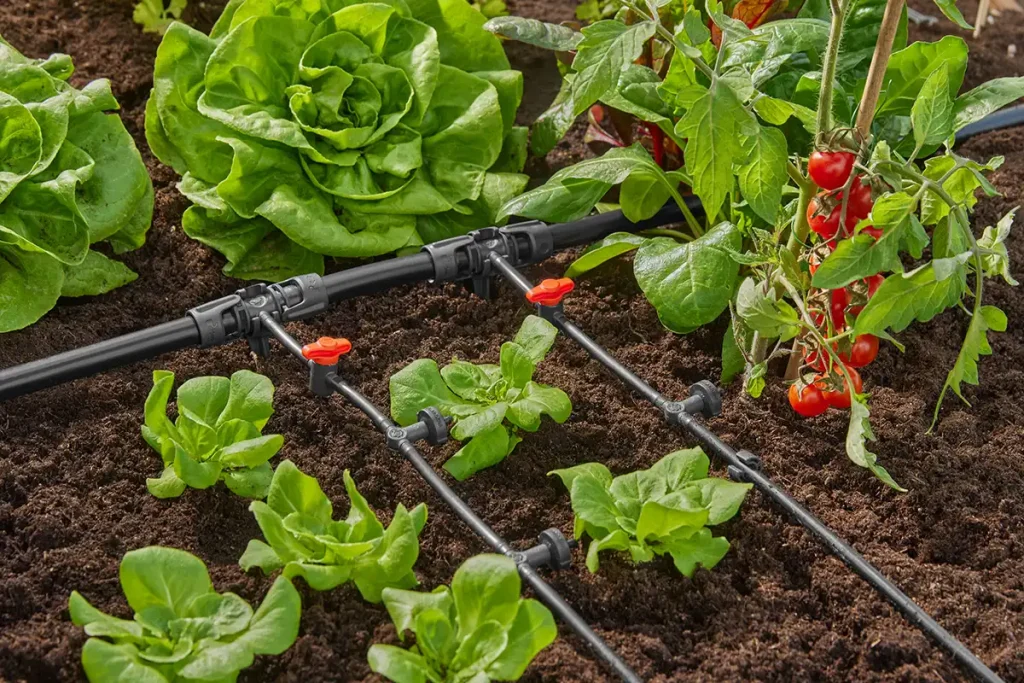
- Drip lines feed roots direct, skipping leaves to cut disease. Soaker hoses seep slow and even. Olla pots bury clay and release water as needed.
- Drip saves up to 50% water over sprinklers. Set timers for sandy soil’s quick drain. Clay holds longer, water less often.
- Calculate needs: sandy gets short bursts, clay longer slow ones. No runoff means full root zone hit.
Environmental Stress Mitigation for Maximum Vigor
- Outside woes like heat or shade sap strength. Shield plants to keep them pumping. Simple tweaks buffer blows.
- Turn stress into strength. Your garden will reward the effort.
Temperature Regulation Through Mulching
- Mulch blankets roots from sun scorch or frost bite. Straw or wood chips hold steady temps. Bare soil swings wild, hurting uptake.
- In heatwaves, mulched rows stay 10 degrees cooler. Veggies fruit more.
- Layer 2-4 inches around bases. Refresh yearly. It cuts weeds too.
Companion Planting for Natural Boosts
- Pair plants for team benefits. Beans fix nitrogen for corn. Comfrey pulls deep minerals up.
- Marigolds ward nematodes without sprays. Physical props like sunflowers support vines.
- Group by needs tall shades short. Yields jump 20% in smart mixes, say extension pros.

Optimized Light Exposure (Photosynthesis Maximization)
- Sun fuels sugar making. Prune dense branches to let rays hit all leaves. More light, more food.
- Thin lower limbs on trees. Space veggies for air flow. Output doubles with even sun.
- Watch for shade, move pots if needed. Peak photosynthesis means peak growth.
Conclusion: Sustaining Peak Performance
Plant-boosting methods shine when you blend them all. Soil sets the stage, nutrition fuels the show, water delivers, biology powers up, and stress shields protect. No single trick works alone, integrate for lasting wins.
Grab these steps now: Test your soil pH today, add compost this week, and deep water next rain-free day. Visible changes hit fast. Your garden waits, roll up sleeves and boost those plants to glory.