Understanding Bulbs: What They Are and How They Grow
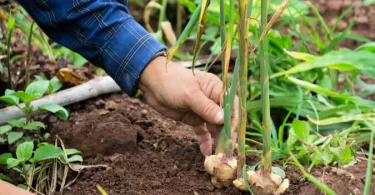
Planting bulbs in spring are underground storage structures that hold nutrients essential for a plant’s survival and growth. You’ll find that they come in various shapes, such as true bulbs, corms, rhizomes, and tubers. True bulbs, like tulips and daffodils, have layered scales, while corms, like crocus, are solid inside.

These storage organs allow plants to endure harsh conditions, growing roots and shoots when the climate is favorable. You’ll notice they typically sprout when temperatures rise and moisture is present. To thrive, bulbs need well-drained soil and sunlight exposure, ensuring they stay healthy year after year.
Choosing the Right Bulbs for Your Garden
Selecting bulbs for your garden requires understanding your specific growing conditions and preferences. First, consider your garden’s climate; ensure the bulbs you choose thrive in your region’s temperature and soil type. Some bulbs like tulips prefer cooler climates, while others like dahlias flourish in warmer areas.

Next, think about bloom times. Use a mix of early, mid, and late-season bloomers to enjoy colorful displays throughout the season. Also, prioritize your garden’s sunlight exposure. Bulbs like crocuses thrive in sunny spots, while others, such as snowdrops, tolerate shade.
Finally, factor in colors and heights. Choose hues that complement your garden’s theme and balance taller species with shorter ones for layering appeal.
The Best Time to Plant Bulbs in Spring
Timing is crucial when planting bulbs in spring. You should wait for the soil temperature to warm up, typically once it reaches around 55°F. This is usually after the last frost, which ensures bulbs aren’t damaged by cold conditions. Mid-to-late spring is often ideal, depending on your region’s climate. Check your local hardiness zone to understand the best planting window.
Choose a sunny day for planting, as moist but unfrozen soil is easiest to work with. Avoid planting during heavy rain to prevent waterlogging. Proper timing allows adequate growth and ensures vibrant blooms during the summer months.

Preparing Your Soil for Bulb Planting
To prepare your soil for bulb planting, start by selecting a location with sufficient sunlight, usually 6–8 hours daily. Ensure the soil is well-draining to prevent the bulbs from rotting. Test the soil’s pH; most bulbs thrive in slightly acidic to neutral soil (pH 6.0–7.0).
Loosen the soil to a depth of at least 12 inches using a garden fork or tiller, allowing roots to spread easily. Mix in organic matter like compost, leaf mold, or aged manure to enrich the soil. Remove weeds and debris to prevent competition for nutrients. When ready, smooth the surface to prepare for planting.
Selecting the Perfect Location for Bulbs
When choosing the right spot for your bulbs, consider sunlight exposure. Most spring-planted bulbs thrive in areas receiving at least six hours of direct sunlight. Observe your garden to identify spots that stay sunlit throughout the growing season. Good drainage is essential for bulb health, so avoid areas with stagnant water or overly compacted soil.

Check your soil type; sandy or loamy soils are ideal as they prevent waterlogging. If planting near trees or shrubs, ensure bulbs won’t compete for nutrients or water. Use a garden marker to outline the arrangement for improved visual balance once they bloom.
Step-by-Step Guide to Planting Bulbs
- Choose the Right Bulbs Select bulbs suitable for spring planting, such as dahlias or gladiolus. Look for firm, healthy bulbs with no signs of mold or damage.
- Pick a Planting Spot Find a location with proper sunlight and good drainage. Most spring bulbs prefer full or partial sun, so plan accordingly.
- Prepare the Soil Loosen the soil and mix in compost or organic matter for proper aeration and nutrients. Aim for well-drained soil to prevent waterlogging.
- Plant at the Correct Depth Follow the specific depth instructions on the bulb’s packaging. A general rule is to plant the bulb at 2-3 times its height.
- Water the Bulbs Water thoroughly after planting to settle the soil. Ensure the area is moist but not oversaturated.
- Mulch Carefully Apply a thin layer of mulch to retain moisture and regulate temperature. Avoid piling mulch directly on top of the bulbs.
- Mark Your Planting Zones Use garden markers or other indicators to remember bulb locations. This prevents unintentional digging in the area later.
Watering and Fertilizing Tips for Healthy Bulbs

Proper care ensures your bulbs thrive and bloom beautifully. Follow these tips for optimal results:
- Watering:
- After planting, water the bulbs thoroughly to activate root growth.
- Check the soil regularly. Keep it moist but never waterlogged, as excessive water can cause rot.
- For established bulbs, water deeply once a week during dry spells.
- Fertilizing:
- Use a balanced fertilizer (e.g., 10-10-10) or one specifically designed for bulbs.
- Apply fertilizer at planting time and again when foliage first appears.
- Avoid over-fertilizing, as it may harm the bulbs’ development.
Maintain consistent care for a vibrant spring garden!
Common Mistakes to Avoid When Planting Bulbs
- Planting Too Shallow or Too Deep: You risk damaging the bulb if placed incorrectly. Ensure each bulb is planted at the correct depth, usually two to three times its height.
- Ignoring Soil Quality: Poor soil drainage can rot bulbs. Test your soil and improve drainage by adding compost or organic matter.
- Overcrowding Bulbs: Crowding prevents proper growth and blooming. Space bulbs according to their specific requirements to avoid nutrient competition.
- Skipping Labeling: Forgetting to mark planting areas may lead to accidental digging. Use labels to keep track of bulb locations.
- Planting in the Wrong Season: Not all bulbs are suited for spring planting; double-check the seasonal compatibility of your chosen bulbs.

Caring for Bulbs After Planting: Maintaining Growth
Once your bulbs are planted, proper care ensures healthy growth and vibrant blooms. Start by watering thoroughly after planting to help settle the soil. Maintain consistent moisture, especially during dry spells, but avoid waterlogging, which can cause rot. Mulching with organic material helps retain moisture and regulate soil temperature.
Protect sprouting bulbs from pests like squirrels or birds by using netting or specialized repellents. Fertilize lightly with a balanced, slow-release fertilizer once green shoots emerge. Weed regularly to reduce competition for nutrients and sunlight.
As flowers fade, resist removing foliage too early; it’s vital for replenishing the bulb’s energy for next season’s blooms.
Creative Ideas for Landscaping with Spring Bulbs

Spring bulbs offer endless opportunities for transforming your garden into a stunning, colorful retreat. Here are some creative ways you can incorporate them into your landscaping:
- Layered Planting: Arrange bulbs with different blooming times in layers to ensure continuous color throughout spring. Mix early bloomers like crocus with tulips and daffodils for a cascading effect.
- Pathway Borders: Line walkways with vibrant bulbs like hyacinths or grape muscari to create a visual guide.
- Naturalized Planting: Scatter bulbs like snowdrops or scilla across lawns or wooded areas to mimic wildflowers.
- Container Gardens: Use bulbs in pots or baskets; combine with greenery for portable color pops.
Embrace creativity through combinations and placement to craft unique designs every spring.