Rain gardens offer a smart way to manage water. They handle stormwater runoff right where it falls. These green spaces also boost the look of your property. They work by catching and cleaning rainwater. This simple process conserves local water supplies. Rain gardens also promote biodiversity. They provide needed habitats for many different plants and wildlife. Intense storms are hitting us more often now. Good water control is essential in 2025.
This article explores the best rain garden planting ideas. We discuss how to select hardy native plants. We cover key design points and simple upkeep tips. Build a beautiful, functional garden that helps your home and the environment.
Understanding Rain Garden Planting: Purpose and Benefits
What is a Rain Garden?
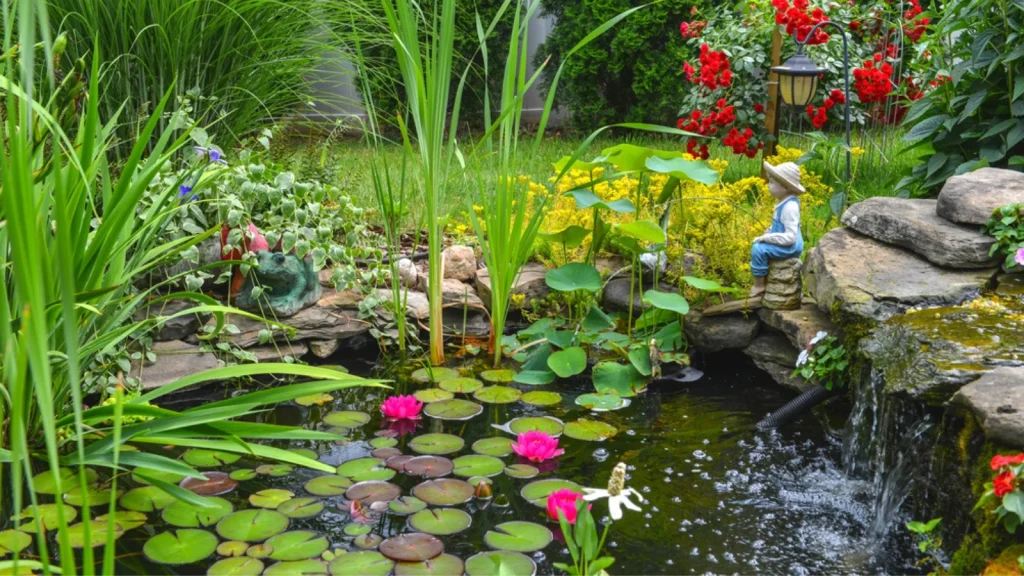
A rain garden is just a shallow depression built into your landscape. It exists to capture runoff from hard surfaces. Think of your roof, driveway, or sidewalks. The garden quickly soaks up that heavy rainwater. Picture this space as a stylish puddle where local plants can really thrive. This feature instantly boosts your yard’s look. Plus, it plays a key part in controlling stormwater. This method stops excess water from becoming a major flooding issue.
Environmental Benefits of Rain Gardens
Rain gardens quietly help the whole environment. They filter out harmful dirt before it washes into storm drains. Local animals also find a safe habitat within the plants. The gardens put fresh water back into the soil beneath us. These beds soak up extra rain, stopping floods and land erosion. They give nature a big helping hand while still looking great.
Essential Components of a Rain Garden
Soil Composition and Drainage Considerations
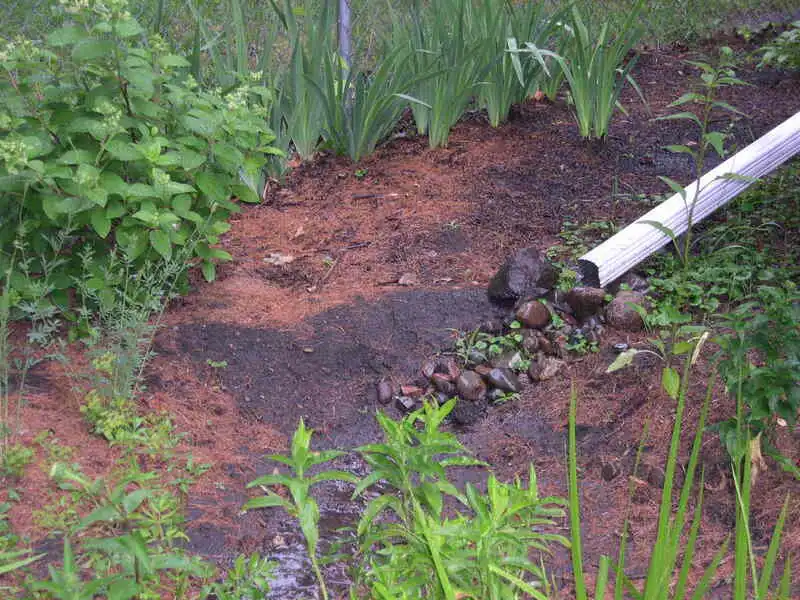
Building a great rain garden needs the right soil. The mix must drain fast. Crucially, it must also hold some moisture. We definitely want to avoid creating a swampy spot. Aim for a blend of sandy loam and organic matter like compost. This allows water to flow quickly. Your plants will get the hydration they need without drowning.
Mulching and Erosion Control
Mulch is not only beautiful, but it is also the unsung hero in the effort to control soil erosion. A good layer of mulch will keep soil moist while also suppressing weed growth and protecting your beautiful rain garden from heavy rain. Organic mulch, such as wood chips or shredded leaves, can be your best friend to not only give plants a sip of water, but it will also look nice.
Choosing the Right Location for Your Rain Garden
Assessing Drainage Patterns
Before you start digging, stop for a moment and see how water acts in your yard. Look for where puddles form and which way water flows afterwards. This will help you find the best place for your rain garden ideally, somewhere that captures runoff but is still slightly “away from it all” and isn’t going to become obnoxiously swampy.
Sunlight and Shade Requirements
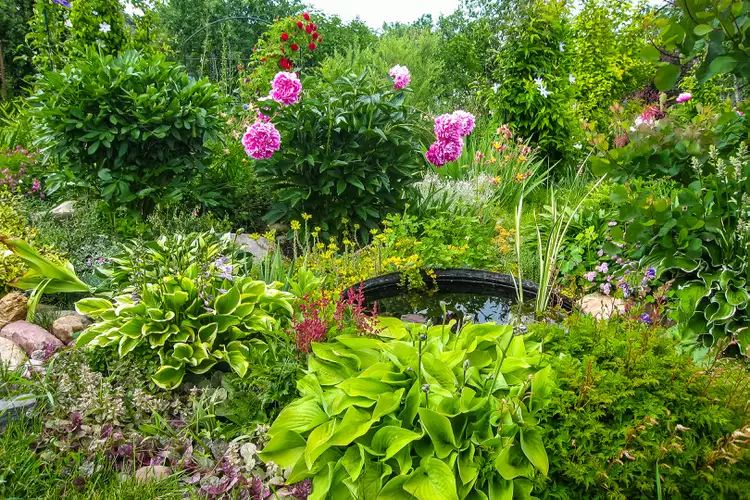
Since the plants in your rain garden will want to soak up those rays, take into account how much sunlight your chosen location receives each day. In an ideal world, options selected should receive a mix of sun and shade so the plant diversity is greater and allows for balance. It is important to note, just as we do instinctively after a long day, some of the plants will require a little R&R in the shade.
Proximity to Water Sources and Structures
Consider the relationship between your rain garden and the nearby structures or water sources. Your rain garden should be located a minimum distance of 10 feet from foundations to avoid excess water creating havoc. However, ensure it is close enough to capture runoff efficiently; think of it as a balance like a coordinated tightrope walker.
Selecting Native Plants for Optimal Water Conservation
Benefits of Native Plants
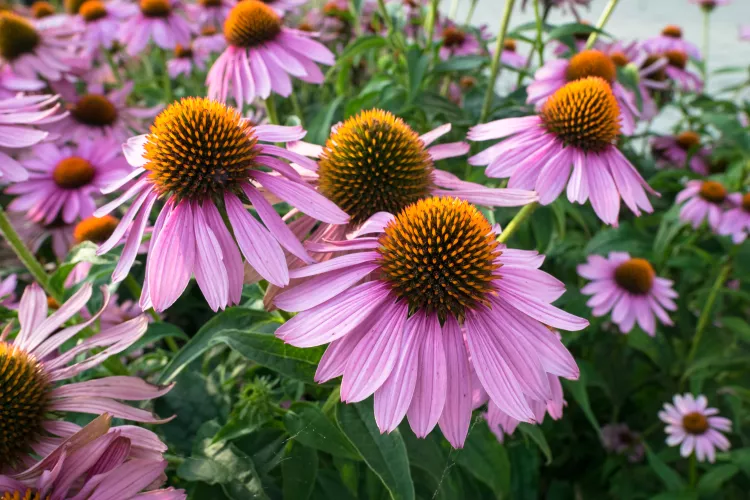
The main stars of the rain garden are native plants. They are already accustomed to your local climate and soils, so they will need less water and less fertilizer; they also provide food and shelter for the local wildlife proving that your garden can be a stylish home for creatures, and save gardening water.
Types of Plants Suitable for Rain Gardens
When selecting plants, look for diversity! Choose from perennials, shrubs, and grasses that prefer wet environments. Coneflowers, black-eyed Susans, and sedges are good choices. These water-loving companions will beautify your space while ensuring your rain garden works effectively.
Creating Biodiversity with Plant Selection
Having a diverse plant palette is an important ingredient for a successful rain garden. Having different species mixed together creates a balanced system that will welcome all sorts of beneficial insects, birds, and wildlife. A variety of bloom times and colors will provide continuous enjoyment for pollinators, without the small talk!
Design Ideas for Aesthetic and Functional Rain Gardens
Layout and Shape Considerations
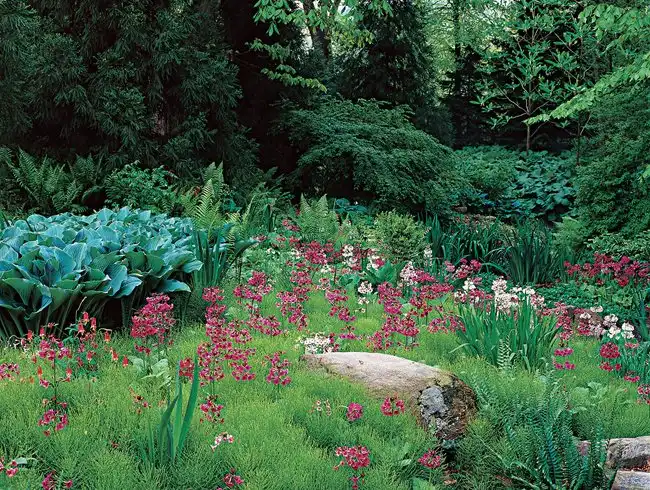
When planning your rain garden, the design is important! Think of it as a piece of art. The whole thing is abstract, and nature is the exhibit. Use curves, not straight lines, so your rainwater flows through the garden rather than pooling in the corners. Think about dimensions and an appropriate size garden according to the size of the rainfall and drainage areas, a larger garden can accept more runoff but can also look amazing! No one expects your rain garden to be a boring rectangular piece of land, so be artistic!
Seasonal Color and Texture Variations
Why settle for a monochromatic landscape when you can have color and layers upon layers of color? Plan for as many flowering plants, grasses, and shrub species as you can that have flowers at different times throughout the year. Your spring flowers can be followed by the showy summer colors. Don’t forget texture too! Consider smooth leaves next to feathery grasses to achieve a lush look. Just remember, your rain garden isn’t just for rain , it’s a year-round experience!
Maintenance Tips for Sustaining Your Rain Garden
Watering and Irrigation Strategies
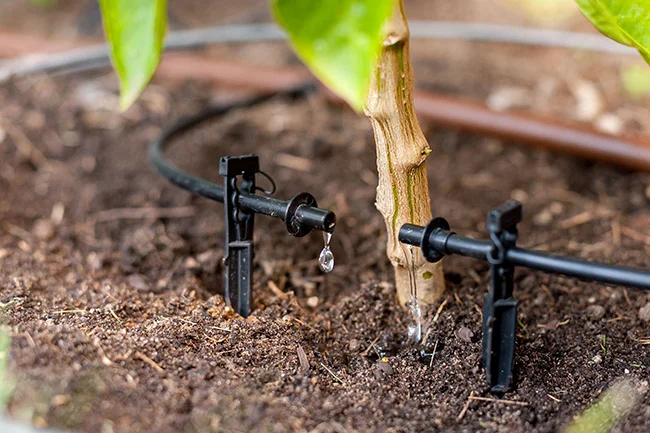
Rain gardens also require a little TLC when the skies aren’t cooperating. The first step is to establish your plants under a regular watering regime, at least the first year after planting. Once established, your plants should do fine with moisture captured from rainfall. You can also conserve water by having a rain barrel fed by your downspouts to collect store the lovely rain, and keep your garden thriving without relying upon your city!
Weed and Pest Management
Weeds are similar to uninvited guests at a party. Who wants them to come? Keeping a garden clean is good for your garden’s health, as well. Using organic mulches will also suppress unwanted plants. Think of the mulch as a blanket for your plants. Then for pests in the garden, you can use companion planting, or beneficial bugs to keep the plants healthy. Ladybugs can help! Of course, keeping a close eye on pests with assistance from nature will help keep the unwanted pests off your plants.
Common Mistakes to Avoid When Planting a Rain Garden
Overlooking Soil Preparation
Soil may be the unassuming partner when it comes to any garden, so do not discount it! If you neglect soil preparation you could end up with great drainage issues, and one unhappy group of plants. Take the time to test your soil, amend it (with drainage in mind, but keeping moisture), and maybe even add some compost for nutrients. This is fundamental of rain garden learning/understanding! Treat your soil with the care it deserves, your partner is very important!
Choosing Incompatible Plants
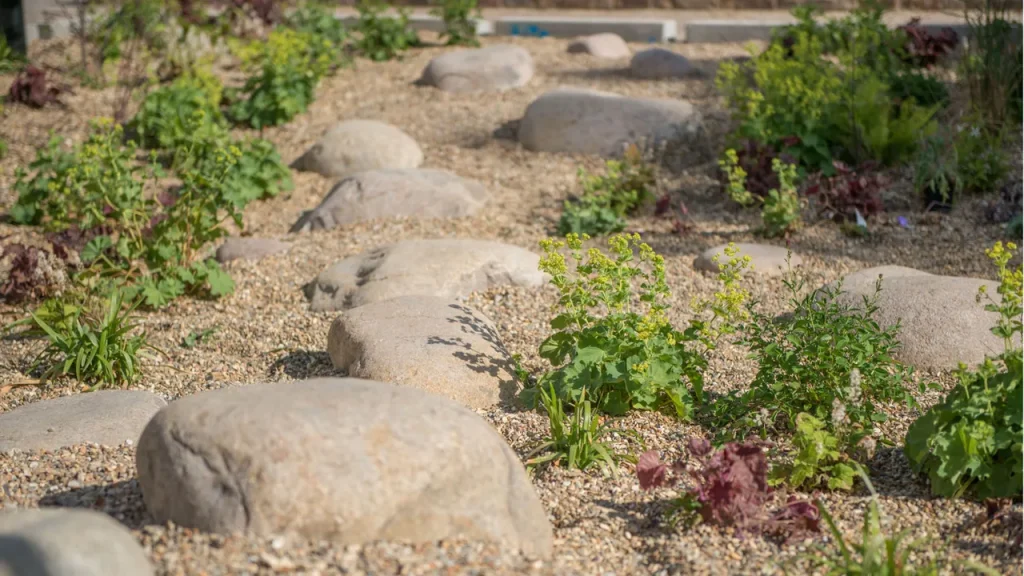
Not all plants are meant to go together! Many native plants like wet conditions, while others prefer to keep their toes dry. Research your prospective plant matches and their water preferences to save your heartache later. Compatibility is key in a healthy and happy garden ecosystem!
Neglecting Maintenance Needs
Neglect your rain garden at your own peril! Even the most robust rain gardens still need a small amount of upkeep to operate effectively. Do not assume that you can neglect your rain garden simply because you planted it, think about it like your pet (hopefully not one that sheds)—and if nothing else, make an effort to stop by and check on the plants, weeds, pest numbers, and the general health of the plants, so you can catch problems when they are still small problems.
Community Involvement and Educational Opportunities with Rain Gardens
Organizing Community Planting Events
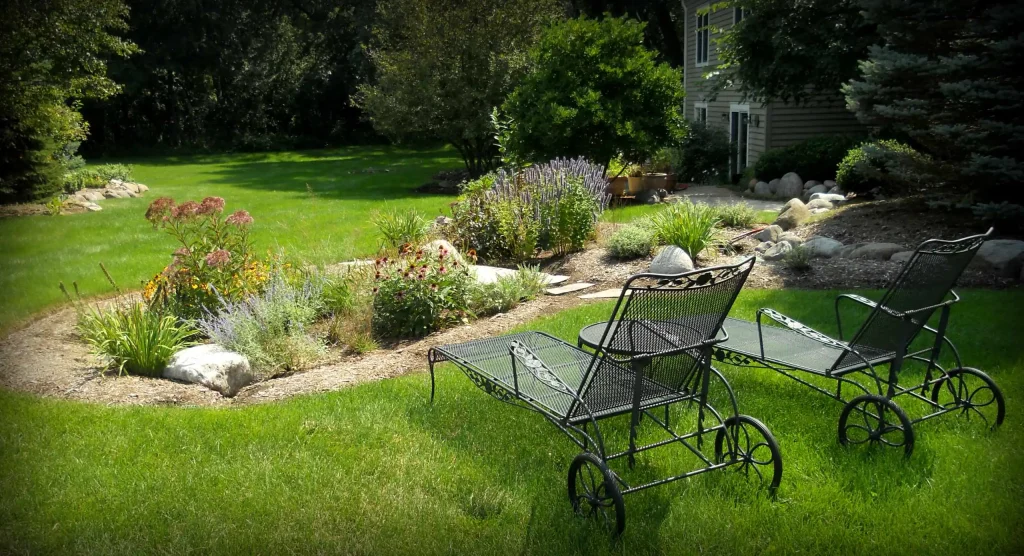
What better way to share love for rain gardens than to have community planting events? Gather your neighbors, friends, and anyone willing to hold a trowel to plant! You will beautify the neighborhood, and it will give you a good reason to share important water conservation practices, and maybe even some snacks, while you all bond over wet soil and plants! Nothing is better than getting your hands dirty for a good cause.
Workshops and Educational Resources
Knowledge is vital to sustainable gardens. Why not have workshops for community members about native plants, soil preparation, and maintenance? You can even focus on those with green thumbs who are interested in deeper knowledge about water conservation. You can give them low-lift resources, and interest in rain gardens will develop in your community.
Final thoughts
The rain garden ideas for planting in 2025 can provide you with an eye-catching, environmentally responsible strategy for handling stormwater while creating a beautiful and sustainable landscape. By choosing native and water tolerant plants, having a good design, and requiring minimal maintenance you will have a thriving garden that is beneficial for your yard, as well as the environment. Establishing your rain garden now is a great initiative, set out to create the beautiful and functional space you can be proud of!