The desire for fresh food and lively green areas is strong. This is especially true in crowded cities where ground-level gardening is often impossible. Rooftop garden offers a smart answer. They change unused spaces into fruitful havens high above the street.

This guide will show you how to build your own rooftop garden. We cover everything from early plans and structural needs to picking the right plants and keeping them healthy. Get ready to create a flourishing urban sanctuary.
Section 1: Is Your Rooftop Ready for a Garden? Structural Considerations
Building a garden on your roof means looking at the building itself first. You need to know if the roof can hold the extra weight. This step is key to avoid problems later on.
Assessing Structural Load Capacity
Load capacity is how much weight your roof can safely hold. This includes the weight of soil, plants, water, containers, and even people. Knowing this number stops structural damage. You need to make sure your foundation is strong.
Actionable Tip: Contact your building owner or a structural engineer. A local building inspector can also help. They will tell you the roof’s weight-bearing limits.
Waterproofing and Drainage Solutions

Good waterproofing stops leaks that can hurt your building. Water needs a clear path away from the roof. Simple weep holes or complex drainage mats can guide water off the roof. These systems keep water from sitting too long.
Actionable Tip: Get a professional to check your roof’s current waterproofing. Then, install a strong drainage system. This system must direct water away from the building’s base.
Building Codes and Permitting
You must follow local building rules. Permits are often needed for changes to a rooftop. Ignoring these rules can lead to fines or safety risks. Knowing what’s allowed protects you and your property.
Many cities have specific rules for rooftop gardens. Some regions want detailed plans before you can start planting. Always check with your local planning office.
Section 2: Designing Your Urban Oasis: Planning and Layout
Once your roof is ready, the fun of planning begins. Think about how your garden will look and work. The urban setting brings its own design needs.

Sun Exposure and Wind Patterns
Check how much direct sunlight your roof gets all day long. Sunlight changes with the seasons. Wind can be very strong on rooftops, drying out plants quickly. Mapping these patterns helps you place plants wisely.
Actionable Tip: Use a sun-tracking app to see light changes. Or, just watch your roof at different times of day. Put up windbreaks, like sturdy trellises or larger plants, to protect sensitive areas.
Container Selection and Placement
Many container types work well, such as pots, raised beds, or fabric grow bags. Each has its own benefits, like being light or lasting a long time. Choose containers that fit your plant’s needs and your roof’s weight limit. Place them where they get the best sun and some wind shelter.
Actionable Tip: Pick lightweight containers when you can. Make sure they sit on a stable surface. Use drainage trays to keep the roof membrane safe from water.
Access and Safety Features

You need safe access to your rooftop garden. This means sturdy stairs or a reliable ladder. Safety railings are a must to prevent falls. Keep pathways clear and free of tripping hazards.
Actionable Tip: Install secure railings around the garden area. Also, think about the weight and stability of any outdoor furniture. Keep emergency exits clear.
Section 3: Soil, Water, and Nutrients: The Foundation of Growth
Growing plants on a roof is different from ground gardening. The right mix of soil, water, and food makes all the difference for plant health. These elements are the building blocks for a thriving garden.
Choosing the Right Growing Medium
Standard garden soil is too heavy and packs down easily. It also does not drain well in containers. Lightweight potting mixes are best for containers or green roofs. These often contain materials like perlite, vermiculite, and compost. They help with drainage and airflow.
Actionable Tip: Buy high-quality potting mix. You can often save money by buying it in larger bags. Mix in some extra compost for more nutrients.
Irrigation Strategies for Rooftops
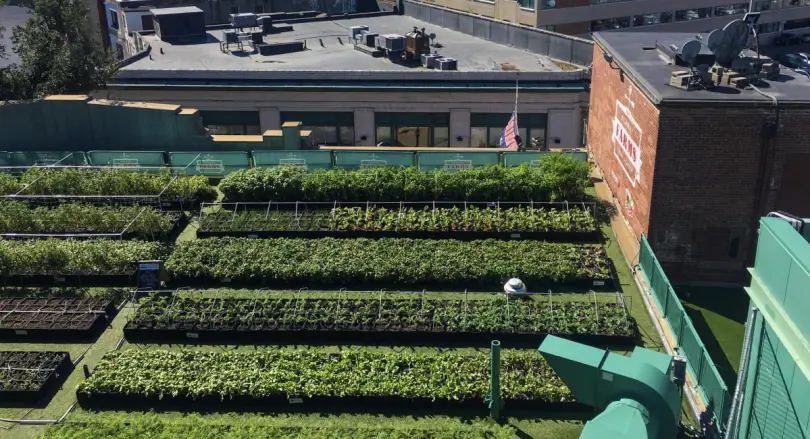
Soil in rooftop containers dries out fast because of the sun and wind. This means plants need water more often. You can water by hand, use drip systems, or pick self-watering pots. Drip systems save time and water.
Rooftop gardens can dry out two to three times faster than ground-level gardens.
Actionable Tip: Think about putting in a simple drip irrigation system. A timer can set regular watering times. This is especially helpful during hot weather.
Fertilization and Nutrient Management
Plants in containers need food regularly. Nutrients wash out more quickly than in the ground. You can use organic or man-made fertilizers. Look for a balanced mix of nitrogen (N), phosphorus (P), and potassium (K). This helps plants grow strong.
According to garden experts, regular feeding boosts plant strength.
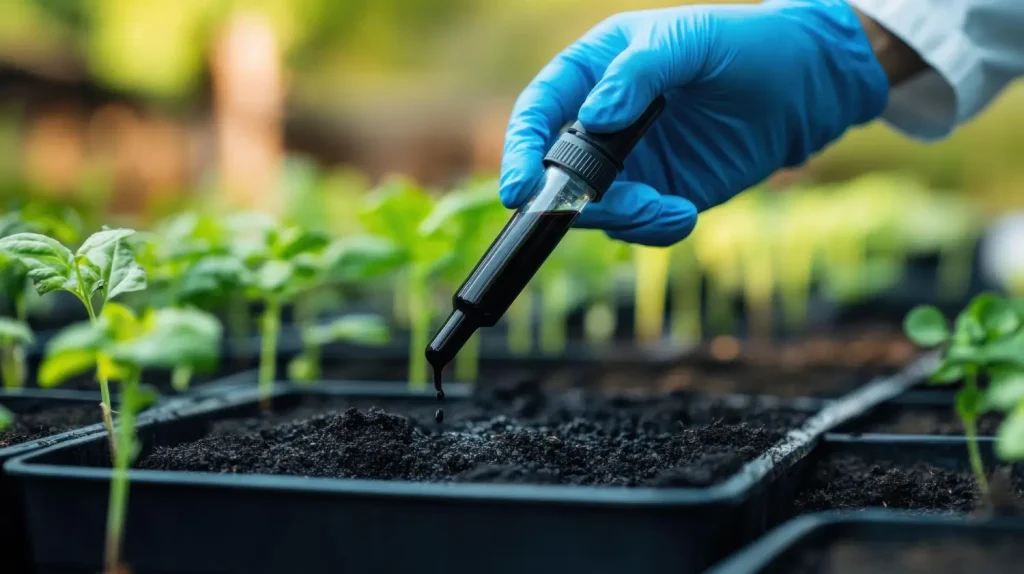
Actionable Tip: Use a slow-release granular fertilizer early in the season. Or, feed plants with a weak liquid fertilizer every few weeks. Do this during their main growing period.
Section 4: Selecting Your Urban Flora: What to Grow
Choosing the right plants means they will handle rooftop life well. Focus on plants that are tough and grow a lot of food or look great. The best plants will thrive in the unique conditions of your elevated space.
Edible Plants for Rooftop Success

Many vegetables, herbs, and fruits do well in pots and can handle sun and wind. Try growing tomatoes, peppers, or leafy greens like lettuce. Strawberries and sturdy herbs such as rosemary and thyme are also good choices. These plants offer a fresh harvest right on your roof.
Some urban farms show how much produce can come from containers. They prove that many common garden favorites can adapt to life above the street.
Ornamental Plants for Aesthetic Appeal
Flowers and decorative grasses add beauty to your space. They also bring in pollinators like bees and butterflies. Look for plants that do not need much water and can stand up to strong winds. These will keep your garden looking good with less effort.

Actionable Tip: Plant flowers like marigolds near your vegetables. They can help keep pests away naturally.
Native and Drought-Tolerant Species
Native plants are already used to your local weather. They need less care and water once established. Drought-tolerant options also cut down on how often you need to water. This saves water and makes your garden easier to maintain.
Local native plant groups or garden centers can suggest the best plants for your area.
Section 5: Maintenance and Troubleshooting: Keeping Your Garden Thriving
A rooftop garden needs ongoing care to stay healthy. Knowing how to handle common issues keeps your plants productive. Regular checks and timely actions ensure a long-lasting green space.
Pest and Disease Management

Rooftop gardens can get common pests like aphids and spider mites. Diseases can also appear. Focus on preventing problems first. Check your plants often for any early signs of trouble. Organic solutions, like neem oil, can fight pests without harsh chemicals.
Actionable Tip: Look at your plants every few days. If you see pests, try a natural remedy. Insecticidal soap can clear up many common bug issues.
Seasonal Care and Winterizing
Your garden needs different care as seasons change. Adjust how much you water and fertilize. Protect sensitive plants from frost or extreme heat. For plants that live many years, plan how to get them through winter. This might mean bringing smaller pots indoors.
Actionable Tip: Cover plants that are sensitive to cold with a frost cloth. Move any smaller containers into a warmer spot for winter.
Troubleshooting Common Rooftop Garden Issues
Plants might wilt from too much heat or not enough water. They can also show signs of needing more nutrients. Wind can sometimes damage leaves or stems. Knowing these signs helps you fix problems quickly. Fixing issues early keeps your plants happy.

Using deep containers for soil can mean you water less often.
Conclusion: Your Sky-High Sanctuary Awaits
Rooftop gardening is a truly rewarding project. It improves city life by adding beauty and nature. Making sure your roof is strong and watered well are key steps. Choosing plants that can handle rooftop life also sets you up for success.
With some smart planning and steady care, your roof can turn into a lively green spot. Enjoy fresh produce, a deeper bond with nature, and a peaceful escape high above the city.