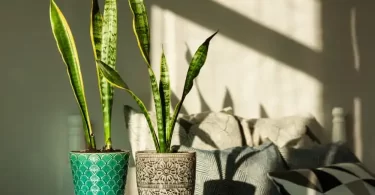
Gardening is a rewarding experience, but changing seasons can bring challenges that threaten plant health. From extreme heat and frost to pests and diseases, plants need different care throughout the year. By following the right seasonal plant protection tips, you can keep your garden thriving no matter the weather.
This guide will walk you through practical plant protection strategies for every season.

Why Seasonal Plant Protection Is Important
Plants react differently to temperature, moisture, and sunlight changes. What works in spring may harm plants in winter. Seasonal protection helps:
- Prevent pest and disease outbreaks
- Reduce weather-related stress
- Improve plant growth and flowering
- Increase overall garden longevity
Understanding seasonal needs allows you to act before damage occurs.
Spring Plant Protection Tips
Spring marks new growth, but it’s also when pests and fungal diseases become active.
Key tips for spring:
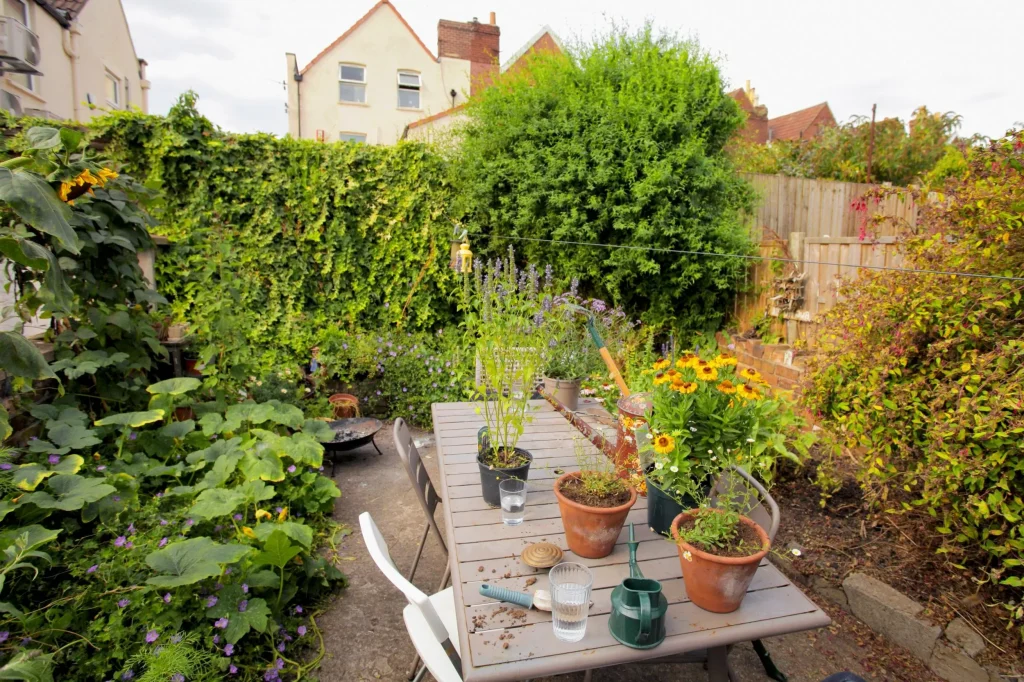
- Inspect plants regularly for early pest signs
- Prune dead or damaged branches to promote airflow
- Apply organic fungicides to prevent mildew
- Mulch soil lightly to retain moisture and suppress weeds
Spring preparation sets the foundation for healthy growth.
Summer Plant Protection Tips
Summer heat and intense sunlight can stress plants and dry out soil quickly.
Protect plants in summer by:
- Watering early morning or late evening
- Using mulch to prevent moisture loss
- Providing shade for sensitive plants
- Checking for pests like aphids and spider mites
Consistent care during summer prevents heat shock and dehydration.
Autumn Plant Protection Tips

Autumn is a transition period that prepares plants for colder months.
Important autumn practices include:
- Removing fallen leaves to reduce disease risk
- Adding compost to enrich the soil
- Pruning perennials and weak stems
- Protecting roots with thick mulch
These steps strengthen plants before winter arrives.
Winter Plant Protection Tips
Winter conditions can be harsh, especially for young or delicate plants.
Winter plant protection essentials:
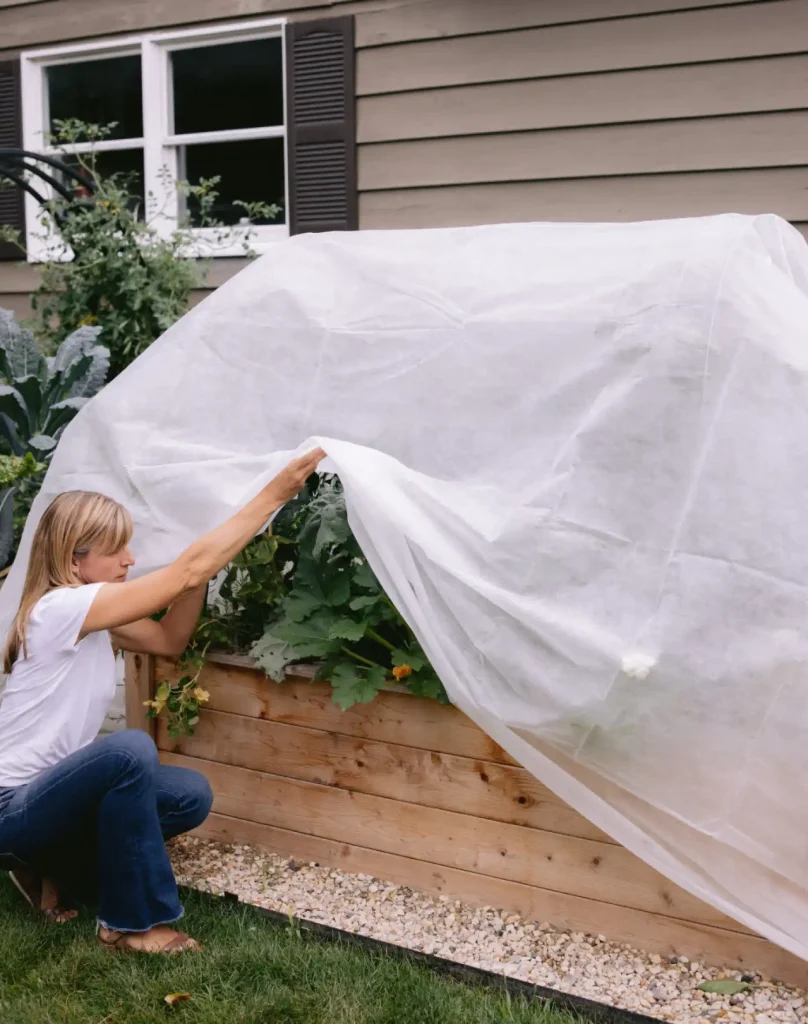
- Cover plants with frost cloths or burlap
- Move potted plants indoors or to sheltered areas
- Reduce watering to prevent root rot
- Avoid fertilizing during dormancy
Proper winter care ensures plants survive and regrow in spring.
Natural Plant Protection Methods
Using eco-friendly solutions protects both plants and the environment.
Natural protection methods include:
- Neem oil for pest control
- Companion planting to repel insects
- Homemade compost for soil health
- Encouraging beneficial insects like ladybugs
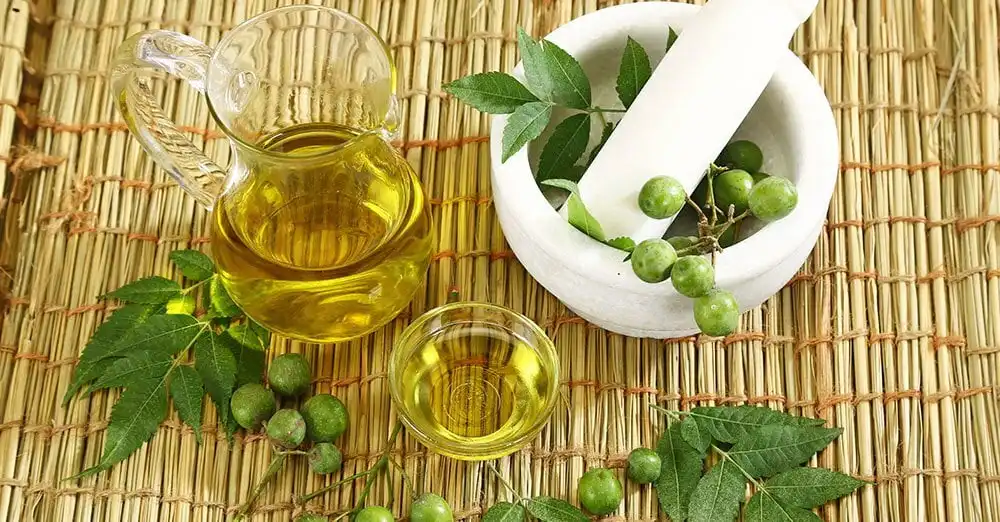
These sustainable methods support long-term garden health.
Seasonal Plant Protection Troubleshooting Table
| Plant Problem | Likely Cause | Season | Solution |
|---|---|---|---|
| Yellowing leaves | Overwatering or poor drainage | Spring / Winter | Improve soil drainage and reduce watering |
| Wilting plants | Heat stress or underwatering | Summer | Water deeply early morning and add mulch |
| Leaf spots or mold | Fungal infection due to moisture | Spring / Autumn | Prune affected areas and apply organic fungicide |
| Slow or stunted growth | Nutrient deficiency | Spring | Add compost or balanced fertilizer |
| Burnt leaf edges | Excess sunlight or heat | Summer | Provide shade and increase watering frequency |
| Root rot | Waterlogged soil | Winter | Reduce watering and ensure proper drainage |
| Pest infestation | Aphids, mites, or caterpillars | Spring / Summer | Use neem oil or introduce beneficial insects |
| Frost damage | Sudden temperature drop | Winter | Cover plants with frost cloth or burlap |
How Weather Changes Affect Plant Health
Seasonal weather directly impacts plant growth:

- Temperature fluctuations weaken plant immunity
- Excess rain encourages fungal diseases
- Dry winds cause moisture loss
- Frost and snow damage tender tissues
Understanding these effects helps you apply the right seasonal plant protection tips at the right time.
Common Mistakes to Avoid
- Overwatering during cold seasons
- Ignoring early pest signs
- Using harsh chemicals unnecessarily
- Skipping seasonal inspections
Avoiding these mistakes helps maintain plant strength year-round.
Final Thoughts

Adapting your gardening routine with the seasons is the key to success. By following these seasonal plant protection tips, you can shield your plants from environmental stress, pests, and diseases while promoting strong, healthy growth throughout the year.
A little care each season goes a long way in creating a flourishing garden.