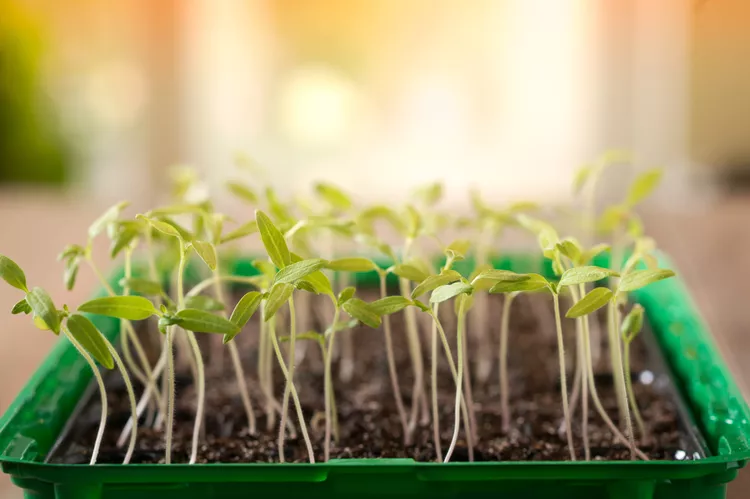
If you have ever tried to grow seeds indoors but ended up with spindly-looking plants with tiny leaves on top of them instead of the large, healthy plants you expected, you’re not alone! This is one of the biggest complaints home gardeners face when trying to grow vegetables and herbs at home. With more people growing food than ever in 2026, it’s no wonder gardeners often experience disappointment due to legginess. Seedlings leggy and how to fix it is an important topic every grower should understand to ensure strong, compact, and healthy plant growth.
The great thing about leggy seedlings is fixing them is a relatively quick and easy process. In this guide, we will discuss leggy seedlings and how to fix them, but also what causes your seeds to become leggy in the first place. And once you have this understanding, you will also learn how to grow strong, thick-stemmed, robust plants that can be easily transplanted outdoors.
So whether you’re growing tomatoes, peppers, basil, or flowers, you will find very useful information in this post that will help you be successful this season, and greatly increase your chance for a successful harvest.
So by the end of this article, you will have a clear action plan that you can implement today to guarantee that there will not be any more wasted seeds or guesswork and; instead you will have strong, healthy seedlings that will continue to grow your plants until they have the ability to grow off their own roots once planted in your garden. Now let’s get started!
Top Causes of Seedlings Leggy and How To Fix It
Understanding the root cause is the first step to a fast fix. Here are the most common culprits:
- Insufficient Light – The #1 reason by far. Windowsills rarely provide enough intensity, especially in winter or early spring.
- High Temperatures – Warm rooms (above 75°F/24°C) make seedlings grow too fast without developing strong stems.
- Overcrowding – Seeds planted too close compete for light and nutrients, forcing upward growth.
- Poor Air Circulation – Still air creates weak, floppy stems. A gentle breeze strengthens them.
- Wrong Timing or Soil – Starting seeds too early in poor-quality mix leads to rapid but weak growth.
If your seedlings are leaning dramatically toward the window or grow light, pale at the base, or have long gaps between leaves, they’re officially leggy. The earlier you catch it, the easier the rescue.
How to Fix Leggy Seedlings Fast: 5 Proven Steps That Work in Days
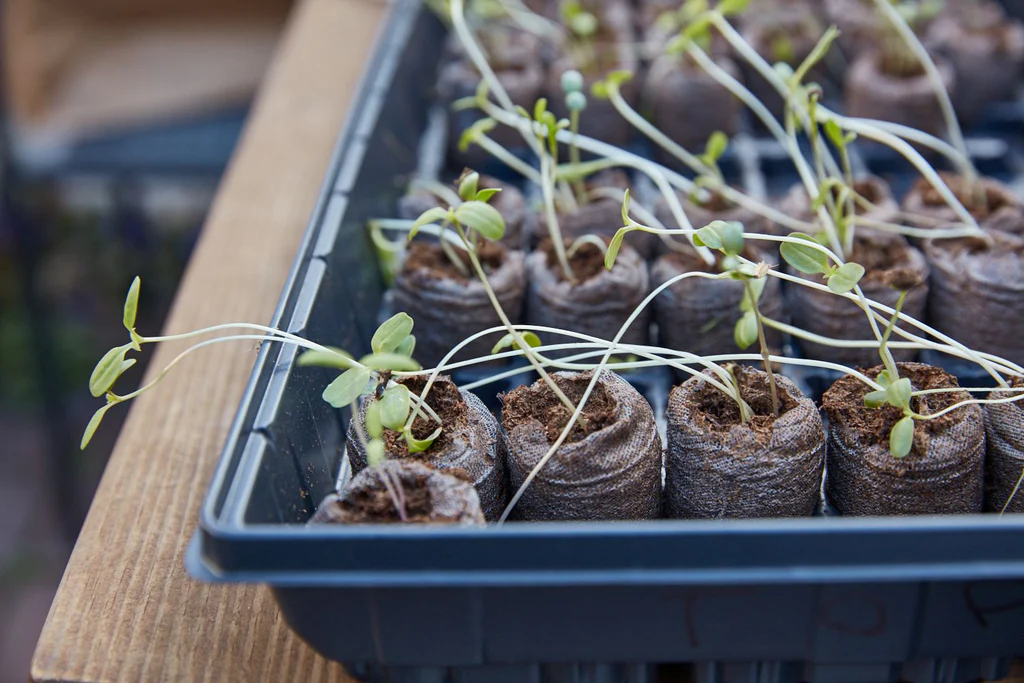
Don’t throw them out! You can fix most leggy seedlings in under a week. Here’s the exact step-by-step method I (and thousands of gardeners) use every season:
Step 1: Give Them the Brightest Light Possible – Immediately
Place your seedlings in the sunniest south-facing window or under a full-spectrum grow light. Aim for 14–16 hours of bright light each day. If you’re using grow lights, raise them as the seedlings get bigger and keep them only 2-4 inches above the tops of the plants.
Expert advice: 2026 will see an increase in the availability of reasonably priced full-spectrum LED grow lights with timers. Within 48 hours, even a $25 clip-on lamp can have a significant impact.
Step 2: Bury the Stems Deeper When Transplanting
My favorite “magic” solution is this one. Bury the stem all the way up to the first set of true leaves when repotting lanky seedlings into larger containers. New roots will emerge from the buried area, strengthening and thickening the base.
Because they can develop roots all the way along the stem, tomatoes particularly enjoy this. I saved 10-inch-tall, lanky tomato seedlings that, after deep transplanting, grew into sturdy plants.

Step 3: Lower the Temperature and Add Gentle Airflow
Drop the room temperature to 65–70°F (18–21°C) during the day and a bit cooler at night. Place a small oscillating fan on low nearby for 2–3 hours a day. The moving air toughens up the stems naturally—just like wind does outdoors.
Step 4: Thin Out and Give Them Space
If your seedlings are crowded, snip the weakest ones at soil level with clean scissors. Give the keepers at least 2–3 inches of space so they stop competing.
Step 5: Water and Feed Smartly
Water from the bottom (place trays in shallow water) to encourage deep roots. Once true leaves appear, start a half-strength balanced liquid fertilizer every 7–10 days. Healthy nutrition helps them bulk up fast.
Follow these steps and you’ll see thicker stems and greener leaves in as little as 3–5 days. I’ve turned near-dead-looking seedlings into sturdy transplants ready for the garden in under two weeks.
Troubleshooting Table: Causes, Symptoms & Fast Fixes
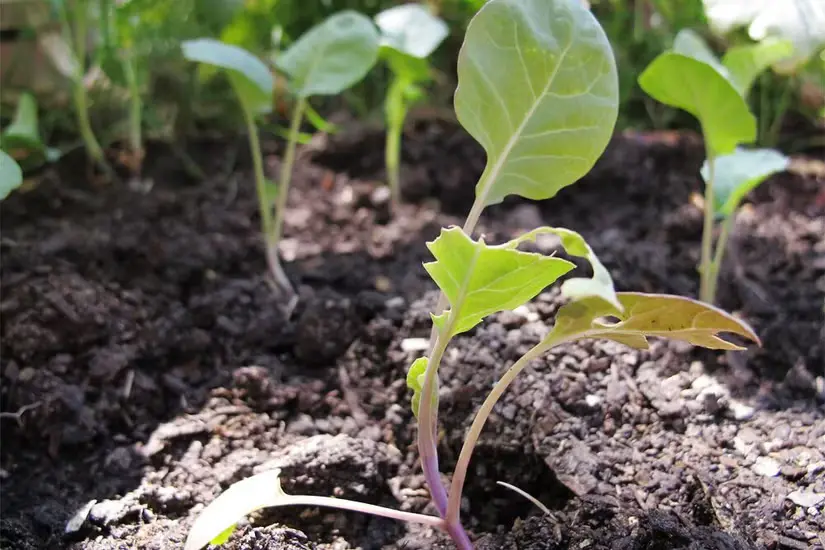
Here’s a handy reference table you can bookmark or print for quick help in the garden shed:
| Cause | Common Symptoms | Fast Fix (Do This Today) | Prevention Tip |
|---|---|---|---|
| Insufficient Light | Tall, pale stems; leaning toward light | Move under grow lights or brighter window | Use full-spectrum LEDs from day 1 |
| High Temperatures | Rapid growth, weak floppy stems | Lower temp to 65–70°F + add fan | Use heat mat only for germination |
| Overcrowding | Thin stems, small leaves | Thin seedlings to 2–3″ apart | Sow seeds 1–2″ apart initially |
| Poor Air Circulation | Soft, elongated stems | Run small fan 2–3 hrs/day | Good ventilation in grow area |
| Overwatering / Poor Soil | Yellow lower leaves + legginess | Bottom water + improve drainage | Use sterile seed-starting mix |
Keep this table nearby—it’s saved more than one of my seedling trays!
Final Thoughts: Grow the Strongest Plants of Your Life
While having leggy seedlings may feel like having ruined your gardening dreams, you can actually transform your weak or stretched out plants into aggressive growers fast with the solutions and prevention methods in this guide.
Start now by assessing your lighting conditions; use some type of fan, and provide a deeper transplanting of seedlings today! You will be rewarded in the future with new harvests for both gardens and onto your plate.
Do you have any experience with having leggy seedlings? How did you handle it? Please leave a tip or ask me your question in the comment box below; I always read every single comment and enjoy helping other gardeners achieve success.
Happy gardening