Proper spacing is one of the most overlooked yet powerful gardening practices. Whether you are growing vegetables, flowers, herbs, or fruit plants, correct spacing directly impacts plant health, yield, and resistance to disease. Many gardeners assume planting closer gives more harvest, but in reality, overcrowding often leads to weak plants and poor results.
This detailed guide explains spacing rules for planting healthy plants, why spacing matters, how to apply it to different plant types, and how to fix common spacing-related problems. By the end, you’ll have practical knowledge to design a healthier, more productive garden.
Understanding Plant Types and Their Spacing Needs
Not all plants require the same spacing. Understanding plant categories helps apply spacing rules accurately.
Vegetables
Vegetables vary greatly in size. Leafy greens need moderate spacing, while fruiting plants need more room.
- Lettuce, spinach: 6–10 inches apart
- Tomatoes: 18–24 inches apart
- Peppers: 12–18 inches apart
- Cucumbers: 24–36 inches apart
Flowers
Flower spacing affects bloom size and disease resistance.
- Petunias: 10–12 inches
- Marigolds: 8–12 inches
- Roses: 24–36 inches
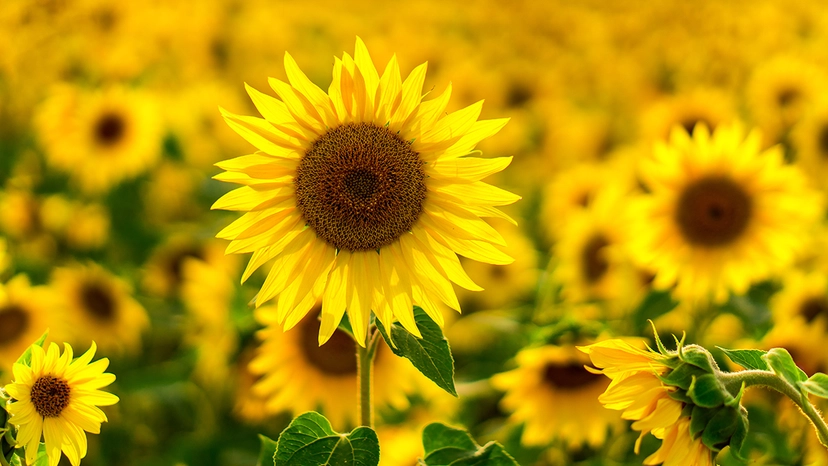
- Sunflowers: 18–24 inches
Herbs
Herbs may look small but can spread quickly.
- Basil: 10–12 inches
- Mint: 18–24 inches (best in containers)
- Rosemary: 24–36 inches
Row Spacing vs Plant Spacing
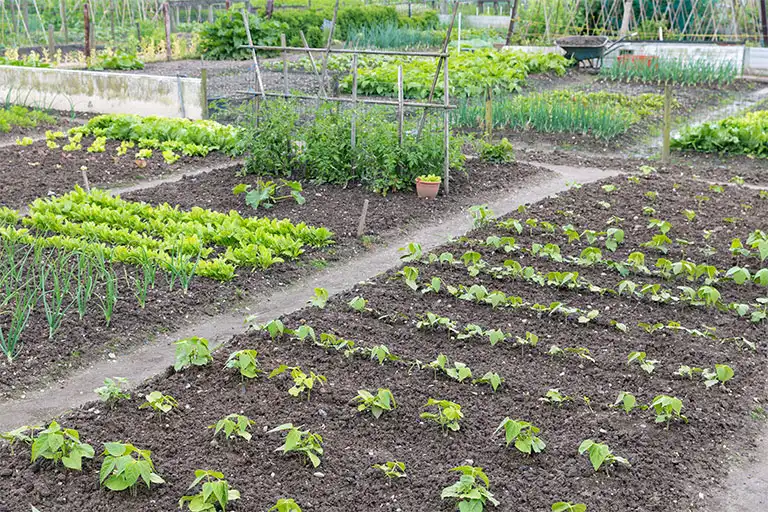
Spacing rules for planting healthy plants involve two dimensions:
Plant-to-Plant Spacing
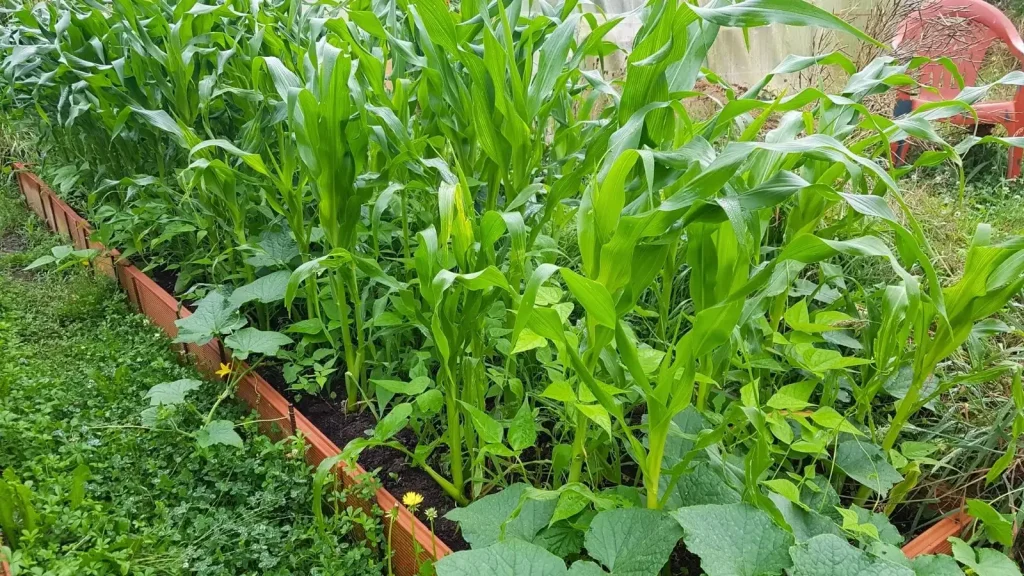
This refers to the distance between individual plants. It allows leaves and stems to expand fully without competition.
Row-to-Row Spacing
Row spacing ensures accessibility for watering, weeding, and harvesting. It also improves airflow across the entire garden bed.
For example:
- Carrots: 2–3 inches between plants, 12 inches between rows
- Beans: 4–6 inches between plants, 18 inches between rows
Spacing Rules for Container Gardening
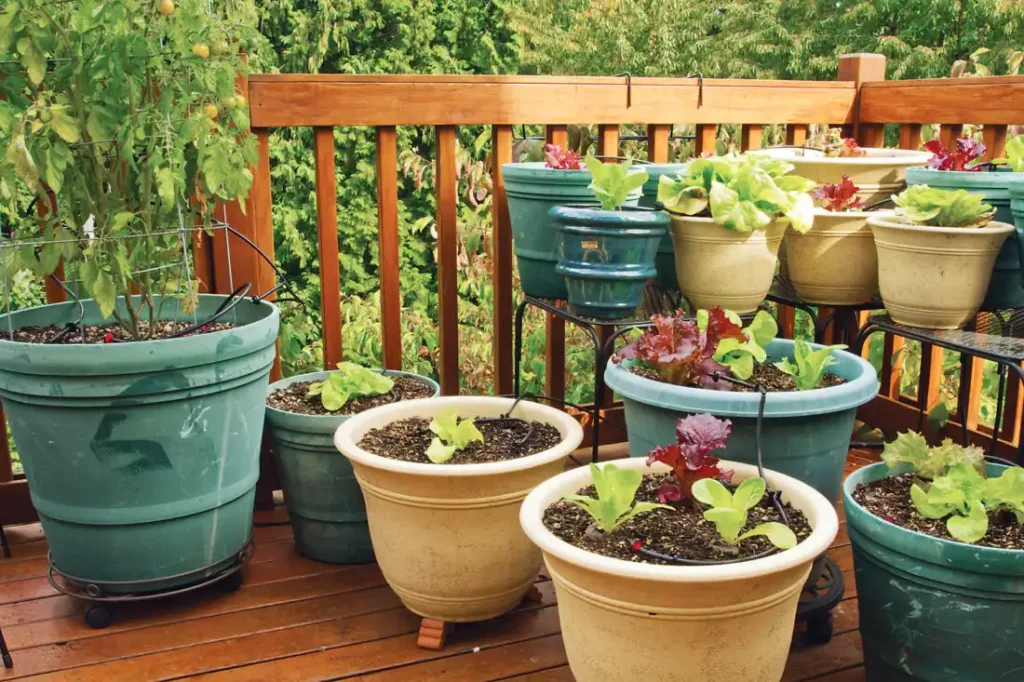
Container gardening requires special attention because space is already limited.
Key tips:
- Avoid overcrowding containers
- Choose plant varieties suitable for pots
- Follow container-specific spacing guidelines
Examples:
- One tomato plant per 5-gallon pot
- Three lettuce plants per medium container
- One rosemary plant per large pot
Correct spacing in containers prevents root binding and nutrient depletion.
Raised Beds and Spacing Efficiency
Raised beds allow for intensive planting while still respecting spacing rules.
Square Foot Gardening Method
This method divides beds into square sections and assigns plants per square based on spacing needs.
Examples:
- 1 tomato per square foot
- 4 lettuce plants per square foot
- 16 carrots per square foot

Raised beds improve soil quality and drainage, allowing slightly closer spacing without harming plant health.
Common Spacing Mistakes Gardeners Make
Even experienced gardeners can make spacing errors.
- Planting seedlings too close
- Ignoring mature plant size
- Not thinning seedlings
- Using spacing for containers in ground beds
Correcting these mistakes early prevents long-term damage.
Troubleshooting Plant Spacing Problems
The table below helps identify and fix spacing-related issues.
| Problem | Likely Cause | Solution |
|---|---|---|
| Yellow leaves | Root competition | Thin plants or transplant extras |
| Fungal diseases | Poor airflow | Increase spacing and prune leaves |
| Small fruits | Overcrowding | Follow mature plant spacing rules |
| Wilting despite watering | Root stress | Reduce plant density |
| Slow growth | Nutrient competition | Improve spacing and fertilize |

Spacing Rules for Seasonal Planting
Spacing needs can change based on season.
Cool Season Crops
Plants like spinach and peas grow slower and can tolerate slightly closer spacing.
Warm Season Crops
- Tomatoes, squash, and melons need extra space due to rapid growth and larger size.
- Always adjust spacing according to growth rate and climate conditions.
Final Thoughts on Spacing Rules for Planting Healthy Plants
Spacing rules for planting healthy plants are a foundation of successful gardening. Proper spacing improves airflow, sunlight exposure, root development, and overall plant strength. Whether you garden in containers, raised beds, or open soil, respecting spacing guidelines leads to healthier plants and higher yields.
Instead of focusing on quantity, focus on quality. Give each plant the space it needs, and your garden will reward you with vigorous growth, fewer problems, and a more abundant harvest.