Sustainable vegetable garden practices are becoming essential as gardeners around the world look for ways to grow healthy food while protecting the environment. Whether you are a home gardener with a small backyard or managing a larger kitchen garden, adopting sustainable methods helps conserve natural resources, improve soil health, and produce nutritious vegetables year after year.
In this in-depth guide, you will learn what sustainable vegetable gardening is, why it matters, and how to apply proven eco-friendly techniques that lead to long-term success. This blog is designed to help beginners and experienced gardeners alike build a productive and environmentally responsible vegetable garden.
Building Healthy Soil the Sustainable Way
Composting for Nutrient‑Rich Soil
Composting is one of the most effective sustainable vegetable garden practices. Kitchen scraps, garden waste, and organic materials break down into compost that enriches the soil naturally.
Benefits of composting:
- Adds essential nutrients
- Improves soil texture
- Enhances moisture retention
- Reduces household waste
Apply compost before planting and as a top dressing during the growing season.
Mulching to Protect and Nourish Soil
Mulch acts as a protective layer over the soil. Organic mulches such as straw, leaves, or grass clippings help:
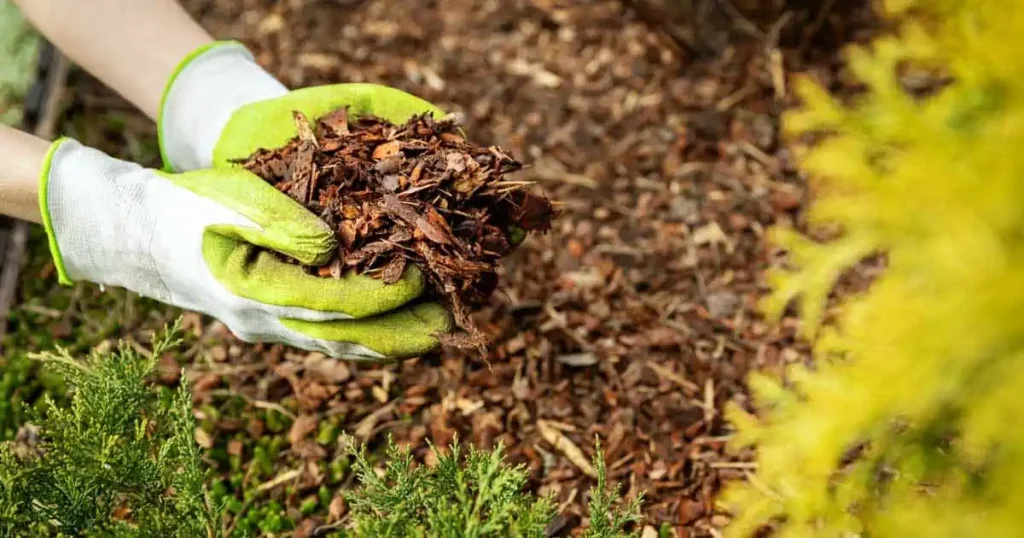
- Prevent soil erosion
- Suppress weeds
- Retain moisture
- Regulate soil temperature
Over time, mulch decomposes and further improves soil fertility.
Water Conservation Techniques for Vegetable Gardens
Drip Irrigation and Soaker Hoses
Efficient irrigation is central to sustainable vegetable garden practices. Drip irrigation and soaker hoses deliver water directly to plant roots, minimizing evaporation and runoff.
Watering at the Right Time
Watering early in the morning reduces water loss due to heat and wind. It also allows leaves to dry during the day, lowering the risk of fungal diseases.

Improving Water Retention in Soil
Adding organic matter such as compost increases the soil’s ability to hold moisture. This reduces how often you need to water and keeps plants hydrated longer.
Choosing the Right Plants for Sustainability
Grow Native and Climate‑Adapted Vegetables
Plants that are well adapted to your local climate require less water, fewer fertilizers, and minimal pest control. Native and regional vegetable varieties are more resilient and productive.
Practice Crop Rotation
Crop rotation involves changing the location of plant families each season. This prevents nutrient depletion and reduces pest and disease buildup in the soil.
Companion Planting

Companion planting pairs vegetables that benefit each other. For example:
- Tomatoes with basil
- Carrots with onions
- Beans with corn
These combinations improve growth and naturally deter pests.
Natural Pest and Disease Management
Encourage Beneficial Insects
Ladybugs, lacewings, and bees are essential allies in a sustainable vegetable garden. Planting flowers like marigolds and sunflowers attracts beneficial insects that control pests naturally.
Use Organic Pest Control Methods
Instead of chemical pesticides, try:

- Neem oil
- Insecticidal soap
- Homemade garlic or chili sprays
These methods protect crops while keeping the ecosystem balanced.
Maintain Garden Hygiene
Remove diseased plants promptly and keep garden tools clean. Good hygiene prevents the spread of pests and diseases.
Reducing Waste in the Vegetable Garden
Reuse and Recycle Materials
Sustainable vegetable garden practices encourage creative reuse. Old containers, buckets, and wooden crates can become planters or raised beds.

Save Seeds for Future Planting
Seed saving reduces costs and preserves plant varieties adapted to your garden conditions. Choose healthy, strong plants for seed collection.
Compost Garden Waste
Instead of discarding plant debris, add it to your compost pile to complete the natural nutrient cycle.
Raised Beds and Sustainable Garden Design
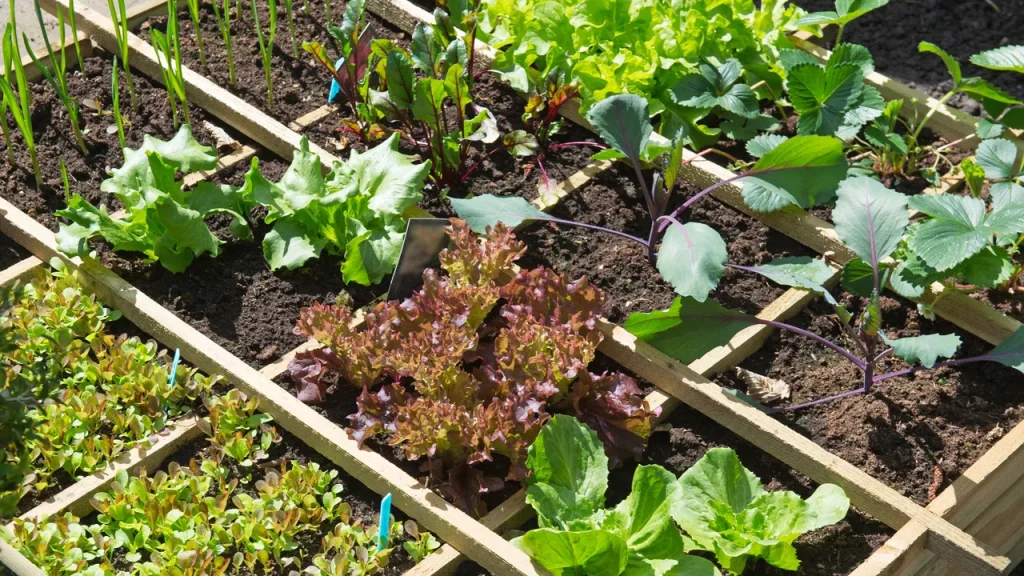
Raised beds improve drainage, reduce soil compaction, and make gardening more accessible. Using untreated wood, recycled bricks, or stones keeps the design eco‑friendly.
Smart garden design includes:
- Proper spacing for airflow
- Paths to reduce soil compaction
- Grouping plants with similar water needs
Seasonal Care and Long‑Term Sustainability

Cover Crops
Planting cover crops like clover or legumes during the off‑season protects soil from erosion and adds nutrients when turned back into the soil.
Minimal Tilling
Excessive tilling disrupts soil structure and beneficial organisms. Minimal or no‑till gardening preserves soil life and improves long‑term fertility.
Troubleshooting Common Problems in Sustainable Vegetable Gardens
The table below highlights common issues gardeners face and sustainable solutions to resolve them effectively.
| Problem | Possible Cause | Sustainable Solution |
|---|---|---|
| Poor plant growth | Low soil nutrients | Add compost and organic fertilizer |
| Yellow leaves | Overwatering or nutrient imbalance | Improve drainage and test soil |
| Pest infestation | Lack of beneficial insects | Plant flowers and use neem oil |
| Weeds spreading | Bare soil exposed | Apply organic mulch |
| Fungal diseases | Excess moisture on leaves | Water early morning, improve airflow |
| Dry soil quickly | Low organic matter | Add compost and mulch regularly |

Final Thoughts
Sustainable vegetable garden practices are not just a trend—they are a smart, responsible way to grow food while caring for the planet. By focusing on soil health, water conservation, natural pest control, and waste reduction, you create a thriving garden ecosystem that produces abundant, healthy vegetables.
Whether you are just starting or refining your gardening skills, adopting these eco‑friendly techniques will help you achieve long‑term success. A sustainable vegetable garden rewards you with better harvests, lower costs, and the satisfaction of growing food in harmony with nature.
Start small, stay consistent, and enjoy the journey toward a greener, more sustainable future.