Keeping vegetable plants productive from early spring to late fall is every gardener’s dream. Whether you’re growing tomatoes, cucumbers, peppers, leafy greens, or root vegetables, consistent harvests depend on good soil, proper watering, regular feeding, pest control, and smart garden maintenance. The good news? You don’t need to be an expert, just follow the right steps at the right time.

In this guide, we’ll walk through the best ways to keep vegetable plants healthy and producing heavily throughout the growing season.
1. Start With Healthy, Fertile Soil to Keep Vegetable Plants Productive
Healthy soil is the foundation of long-lasting plant productivity. Plants growing in nutrient-rich, well-structured soil naturally produce more fruits and foliage.
a. Add Organic Matter

Mix compost, aged manure, or leaf mold into your soil at the beginning of the season. This improves:
- Drainage
- Aeration
- Nutrient retention
- Microbial activity
Vegetables thrive in soil rich in organic life.
b. Check Soil pH

Most vegetables grow best in slightly acidic to neutral soil (pH 6.0–7.0).
If your soil is too acidic, add lime.
If it’s too alkaline, add sulfur or peat moss.
c. Mulch Early
Mulching helps retain moisture, keeps soil cool, and reduces weed competition. Use:
- Straw
- Grass clippings
- Shredded leaves
- Wood chips (around perennials, not annual veg beds)
Mulch also continuously breaks down and enriches your soil.
2. Water Deeply and Consistently
Irregular watering is one of the biggest reasons vegetable plants stop producing.
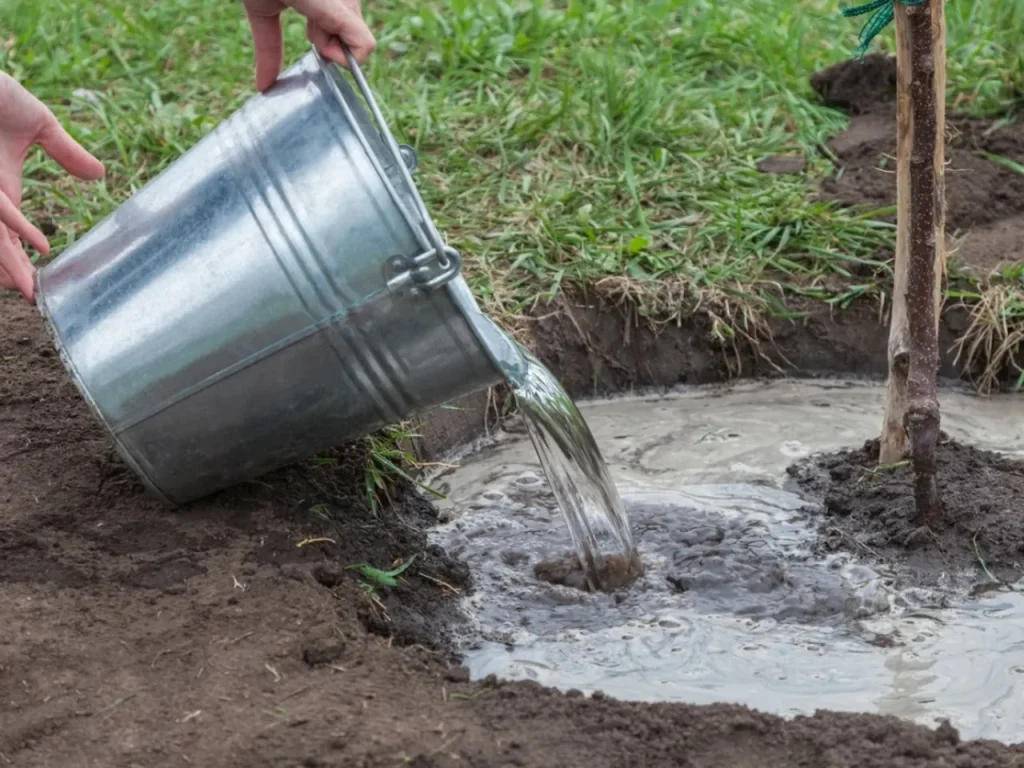
a. Water at the Base
Always water at soil level rather than sprinkling overhead. Wet leaves encourage diseases.
b. Deep, Infrequent Watering
Instead of shallow daily watering, give your plants a deep soak 2–3 times per week. This encourages strong root growth.
c. Keep Soil Evenly Moist
Dry spells followed by heavy watering cause:
- Blossom-end rot in tomatoes and peppers
- Cracked fruits in tomatoes
- Bitter taste in cucumbers
- Bolting in leafy greens
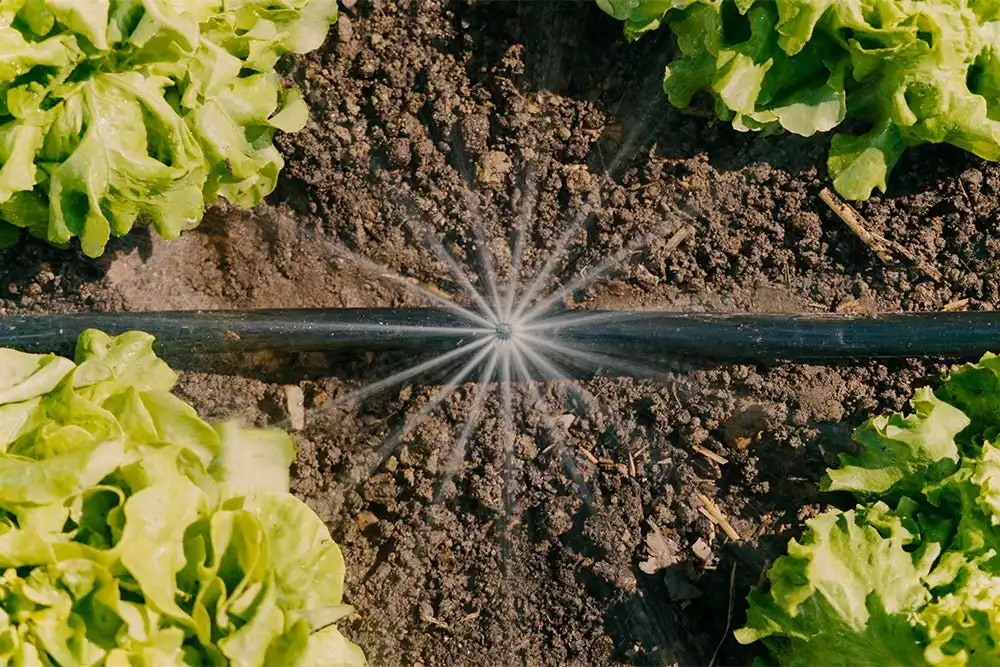
Use drip systems or soaker hoses to keep soil moisture stable.
3. Feed Plants Regularly
Vegetables are heavy feeders, especially during fruiting. Without continuous nutrition, production will slow down.
a. Use Slow-Release Fertilizer at Planting
Organic fertilizers such as:
- Blood meal
- Bone meal
- Fish meal
- Slow-release granules
These break down gradually, feeding plants steadily.
b. Supplement With Liquid Fertilizers

Every 2–3 weeks, feed with liquid fertilizer such as:
- Compost tea
- Fish emulsion
- Seaweed extract
- Balanced NPK fertilizers
Leafy vegetables need nitrogen, while fruiting vegetables need more phosphorus and potassium.
4. Prune and Train Plant
Pruning helps redirect energy into fruit production rather than unnecessary growth.
a. Tomatoes

Remove:
- Suckers
- Lower yellowing leaves
- Crowded branches
Train indeterminate tomatoes up a single or double stem.
b. Cucumbers
Train vines up a trellis to improve airflow and increase fruit quality.
c. Peppers
Remove early flowers from seedlings to encourage strong plant growth. Prune dead or crossing branches during the season.
5. Prevent Pests and Diseases Early
The key to season-long productivity is prevention, not cure.
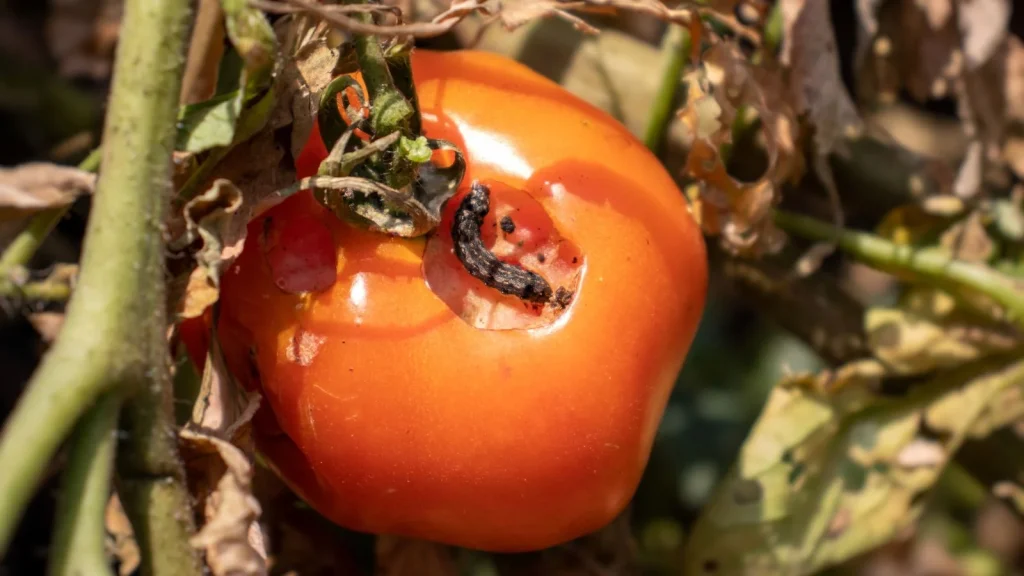
a. Inspect Plants Weekly
Check for:
- Holes in leaves
- Yellowing
- Sticky residue
- Mold
- Chewed stems
- Eggs under leaves
Early detection saves the plant.
b. Use Organic Pest Control
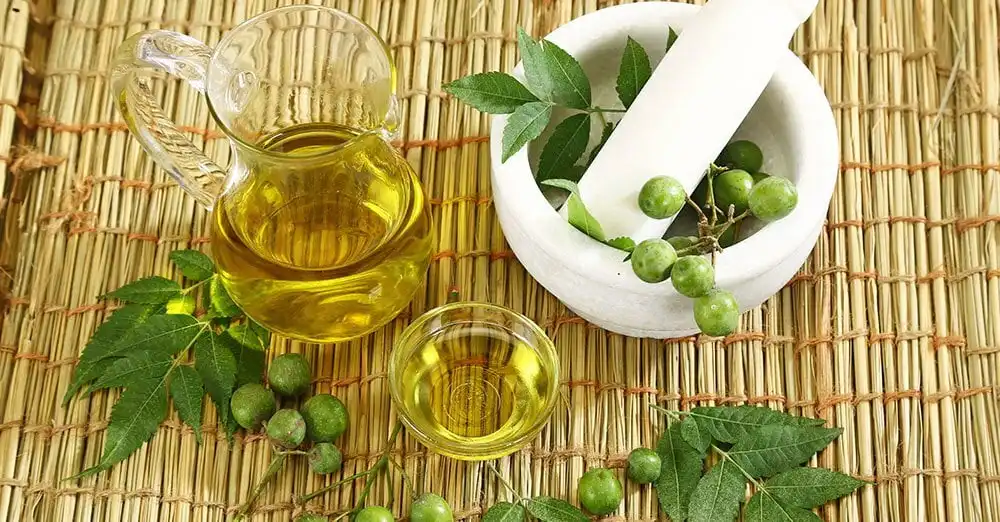
Try:
- Neem oil
- Insecticidal soap
- Diatomaceous earth
- Companion planting (basil with tomatoes, marigolds around beds)
c. Remove Diseased Plants Immediately
Don’t compost infected leaves or stems. Bag and discard them.
Troubleshooting Table: Why Vegetable Plants Stop Producing
| Problem | Symptoms | Possible Cause | Solution |
|---|---|---|---|
| Flowers dropping | Flowers fall off without fruit | Heat stress or temperature swings | Provide shade cloth, water in morning, add mulch |
| Yellowing leaves | Lower leaves turn yellow | Overwatering or nutrient deficiency | Improve drainage, add balanced fertilizer |
| No fruit forming | Lots of flowers, no fruit | Lack of pollination | Hand-pollinate, attract bees with flowers |
| Small or misshapen fruits | Uneven fruit size | Irregular watering | Water deeply and consistently |
| Bitter cucumbers | Bitter taste | Heat stress or dry soil | Provide shade and keep soil evenly moist |
| Blossom-end rot (tomatoes/peppers) | Black spots on bottom | Calcium imbalance due to inconsistent water | Water regularly, add calcium-rich amendments |
| Slow growth | Plants look small and weak | Poor soil nutrients or overcrowding | Add compost, thin crowded plants |
| Powdery mildew | White powder on leaves | High humidity and poor airflow | Prune for airflow, apply neem oil |
| Holes in leaves | Chewing damage | Caterpillars or beetles | Hand-pick pests, use organic sprays |
| Wilting despite watering | Droopy leaves | Root rot or fungal disease | Improve drainage, remove affected plants |
Final Thoughts
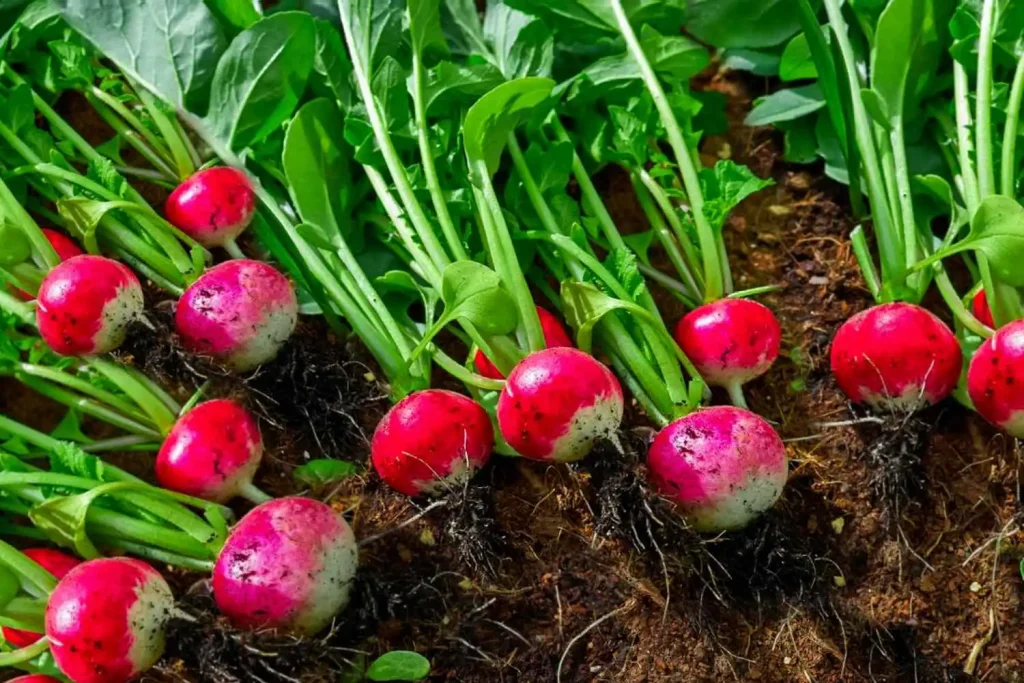
Keeping vegetable plants productive all season is absolutely achievable with the right strategies. Focus on soil health, consistent watering, regular feeding, and early pest prevention. Combine smart techniques like succession planting, pruning, and mulching, and you’ll enjoy a continuous harvest from spring until fall.