When winter arrives, many gardeners assume that the growing season is over and their garden beds can simply be ignored. But the truth is this: winter is one of the most important seasons for soil care. The work you do now determines how fertile, soft, and productive your soil will be when spring returns.

Healthy soil doesn’t just happen on its own, it needs structure, protection, nutrients, and moisture balance even during the colder months. In this detailed guide, you’ll learn exactly winter soil care of your outdoor garden beds throughout winter.
1. Start With a Soil Assessment
Before winter sets in, take a few minutes to assess your soil’s condition.
Check for:
- Compaction
- Poor drainage
- Cracks or dryness
- Excess weeds
- Previous plant diseases
If you have a testing kit, winter is a great time to check:
- Soil pH
- Nutrient levels
- Organic matter content

Understanding your soil’s starting point helps you apply the most effective treatment.
2. Clear Out Weeds and Old Crop Debris
Weeds may die back in winter, but their roots and seeds remain alive. If left unattended, they’ll regrow and compete with spring crops.
Remove:
- Old vegetable vines
- Diseased leaves
- Weeds with long taproots
- Any material that won’t break down easily
This step prevents fungal infections and pests from overwintering in your soil.
3. Add Organic Matter to Strengthen Soil Structure
Winter is the perfect time to give your soil a nutrient boost. Organic matter slowly breaks down during the cold months and enriches the soil for spring planting.

Good organic matter sources include:
- Compost
- Well-rotted manure
- Shredded leaves
- Coconut coir
- Aged wood chips
- Mushroom compost
Spread 2–4 inches of organic matter on top of the soil. You do not need to mix it in snow, frost, and worms will naturally incorporate it into the ground.
4. Apply Mulch to Protect Soil From Harsh Weather
Mulching is one of the most important winter soil care steps. A layer of mulch creates a protective blanket that shields soil from the cold and prevents nutrient loss.

Best Mulches for Winter
- Straw
- Pine needles
- Shredded leaves
- Bark chips
- Grass clippings (dried)
Aim for 4–6 inches of mulch for maximum protection.
Benefits of Winter Mulching
- Reduces soil compaction caused by rain and snow
- Keeps soil warmer
- Slows weed growth
- Holds moisture
- Protects beneficial insects overwintering in the soil
5. Consider Planting a Winter Cover Crop
Cover crops are one of the smartest sustainable choices you can make for winter soil care. They act as a living barrier that protects and enriches your soil.
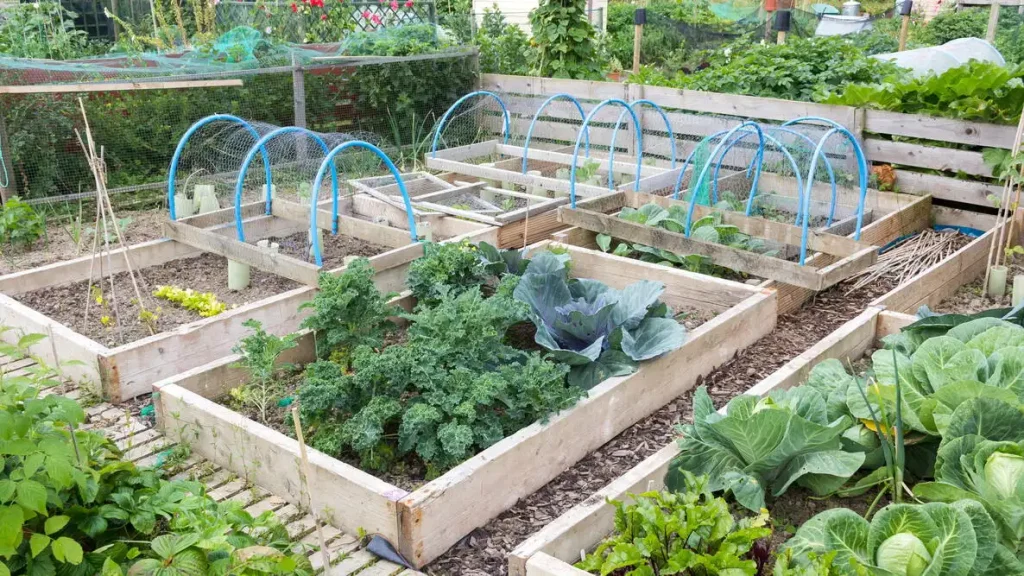
Best Winter Cover Crops
- Winter rye
- Clover
- Hairy vetch
- Mustard greens
- Winter wheat
Why Cover Crops Work
- Their roots break up compacted soil
- They add nitrogen naturally
- They prevent erosion
- They suppress winter weeds
In early spring, you can trim them down and mix them into the soil to improve organic matter.
6. Improve Soil Drainage Before Frost Sets In
Waterlogged soil is a common winter problem. When soil stays too wet, roots rot and beneficial microorganisms die.

To Improve Drainage
- Add coarse sand
- Create raised beds
- Mix in organic matter
- Ensure your bed edges don’t trap water
Better drainage means fewer freeze-thaw pockets that can damage soil structure.
7. Avoid Walking on Frozen or Wet Soil
Walking on garden beds compresses the soil. Winter soils are more fragile, so even light pressure can cause long-term damage.
Compacted Soil Leads To:
- Poor water absorption
- Weak root growth
- Slow spring planting
Use stepping stones or boards if you must enter the beds.
8. Protect Soil Microorganisms
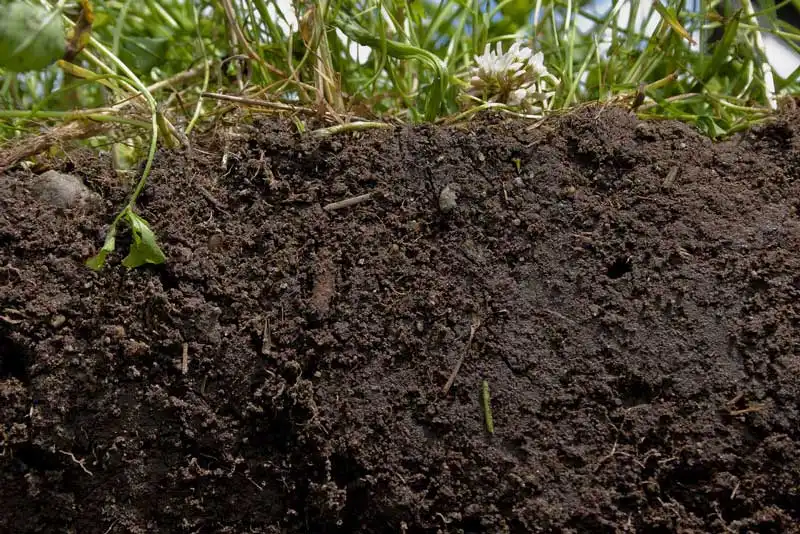
Healthy soil is full of bacteria, fungi, earthworms, and insects. Winter weather can disrupt their habitat, so your job is to help them survive.
How to Protect Soil Life
- Keep soil covered with mulch
- Avoid chemical fertilizers
- Add compost tea or worm castings
- Do not over-dig or till
A thriving soil ecosystem leads to naturally fertile soil.
Troubleshooting Table: Winter Soil Problems & Fixes
| Problem | Cause | Winter Solution | Spring Benefit |
|---|---|---|---|
| Soil stays too wet | Poor drainage, clay soil | Add sand, compost, raise beds | Prevents root rot & early spring flooding |
| Soil too compact | Walking on soil, heavy snow | Mulch 4–6 inches, avoid stepping on beds | Looser, healthier soil for planting |
| Nutrient loss | Heavy rain, erosion | Add compost + mulch | More fertile soil for spring crops |
| Soil freezes deeply | No mulch cover | Mulch heavily with straw or leaves | Warmer soil promotes early planting |
| Too many weeds in spring | Weeds overwintering in soil | Remove fall weeds + add thick mulch | Reduces weed growth by 60–80% |
| Soil becomes acidic | Excess rain leaches minerals | Add lime in late winter | Balanced pH helps vegetables thrive |
| Few earthworms | Cold, exposed soil | Use compost + leaf mulch | Worms return quickly in spring |
| Soil cracks during dry winter | Low moisture | Water lightly during dry spells | Prevents root damage & improves texture |
| Fungal diseases return | Old infected plant debris | Remove debris + solarize in early spring | Healthier new plants |
| Nutrients remain locked in | Low microbial activity in cold | Add compost tea or organic matter | Faster nutrient release in spring |

Final Thoughts
Winter soil care is not complicated, but it is incredibly important. By taking a little time during the colder months to protect, enrich, and prepare your soil, you’ll enjoy healthier plants, better yields, and easier gardening once spring arrives.
Mulching, adding organic matter, improving drainage, and preventing compaction are simple steps that make a massive difference. Treat winter as a season of preparation, and your outdoor garden beds will reward you with thriving growth and nutrient-rich soil when the warmer days return.