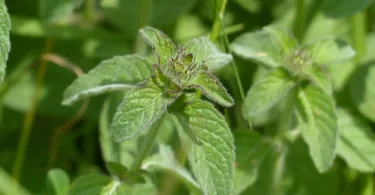
Basil (Ocimum basilicum), with its aromatic leaves and versatile culinary uses, is a must-have herb for any home garden. For example, its vibrant flavor enhances dishes from pesto to salads, making it a favorite among cooks. Growing basil from seeds is a cost-effective and rewarding way to enjoy fresh, lush harvests. Consequently, this guide provides expert tips to successfully plant, nurture, and harvest basil, ensuring a bountiful supply of this fragrant herb.
Why Grow Basil From Seeds?
Basil is prized for its rich aroma, culinary versatility, and ornamental appeal. For instance, varieties like Genovese, Thai, or Purple Basil offer diverse flavors and colors. Moreover, growing from seeds allows you to choose specific cultivars and produce many plants inexpensively. Hardy as an annual in USDA zones 4–10, basil thrives in warm conditions and can be grown indoors or outdoors. As a result, it’s perfect for gardeners seeking fresh, homegrown herbs year-round.
Step-by-Step Guide to Growing Basil From Seeds
1. Choose the Right Basil Seeds
- Quality Seeds: Select high-quality seeds from reputable suppliers for better germination rates. For example, look for fresh seeds packaged for the current growing season.
- Popular Varieties:
- Genovese Basil: Classic Italian flavor, ideal for pesto.
- Thai Basil: Spicy, licorice-like taste for Asian dishes.
- Purple Basil: Vibrant purple leaves, great for ornamental and culinary use.
- Timing: Purchase seeds in late winter or early spring for outdoor planting after the last frost.
2. Select the Ideal Location
- Light: Basil requires full sun, needing 6–8 hours of direct sunlight daily for lush growth. For instance, a south-facing garden bed or window is ideal.
- Soil Type: Prefers well-draining, fertile soil with a pH of 6.0–7.0. Loamy soil rich in organic matter promotes healthy development.
- Site Considerations: Choose a spot with good air circulation to prevent fungal diseases. Additionally, avoid areas prone to waterlogging, as basil dislikes wet roots.
3. Prepare the Soil
- Loosen Soil: For outdoor planting, dig to a depth of 8–12 inches to encourage root growth. Remove rocks or debris for even sowing.
- Amend Soil: Mix in compost or well-rotted manure to enrich the soil. For example, adding organic matter boosts fertility and drainage.
- Test Drainage: Water the area; it should drain within a few hours. If drainage is poor, incorporate sand or perlite or use raised beds.
- Soil Testing: Use a soil test kit to confirm pH and nutrient levels, adjusting with lime (to raise pH) or sulfur (to lower pH) as needed.
4. Planting Basil Seeds
- Timing: Sow seeds indoors 6–8 weeks before the last frost (March–April in most regions) or directly outdoors after the last frost when soil temperatures reach 60°F. In zones 9–10, basil can be sown year-round.
- Indoor Planting:
- Fill seed trays or small pots with a seed-starting mix (equal parts peat moss, perlite, and vermiculite).
- Sow seeds ¼ inch deep, spacing them 1–2 inches apart.
- Cover lightly with soil, mist gently, and place in a warm spot (70–75°F) with bright, indirect light.
- Keep soil moist but not soggy; germination occurs in 5–10 days.
- Outdoor Planting:
- Sow seeds ¼ inch deep in rows or clusters, spacing 12–18 inches apart for mature plants.
- Cover with a thin layer of soil and water gently.
- Thin seedlings to 6–12 inches apart once they have 2–3 true leaves.
- Transplanting: Move indoor seedlings outdoors after the last frost, hardening them off over 7–10 days by gradually increasing outdoor exposure.
5. Care for Your Basil Plants
- Watering: Water when the top inch of soil is dry, typically every 5–7 days in warm weather. For instance, provide 1 inch of water weekly, ensuring soil stays moist but not waterlogged. Reduce watering in cooler seasons.
- Fertilizing: Apply a balanced, water-soluble fertilizer (e.g., 10-10-10) every 4–6 weeks during the growing season. Alternatively, use organic options like fish emulsion for natural feeding. Avoid over-fertilizing, as it can reduce flavor intensity.
- Pinching: Pinch back the top leaves when plants are 6–8 inches tall to encourage bushy growth and prevent flowering. For example, remove the top set of leaves above a node to promote branching.
- Mulching: Apply a 1–2 inch layer of organic mulch (e.g., straw or bark) around outdoor plants to retain moisture and suppress weeds. Keep mulch away from stems to prevent rot.
- Pest and Disease Management: Monitor for pests like aphids or Japanese beetles. Consequently, treat with insecticidal soap or neem oil. Prevent fungal issues like powdery mildew by ensuring good air circulation and avoiding overhead watering.
6. Growing Basil in Containers
- Pot Selection: Use a 6–12 inch pot with drainage holes. Terracotta or plastic pots work well for basil’s shallow roots.
- Soil Mix: Combine potting soil, compost, and perlite (2:1:1 ratio) for drainage and fertility.
- Care: Place in full sun, water when the top inch of soil is dry, and fertilize monthly. For example, containers are ideal for small spaces or indoor growing near a sunny window. Move indoors in zones 4–8 before frost.
7. Harvesting Basil
- Timing: Begin harvesting when plants are 6–8 inches tall, typically 6–8 weeks after planting. Harvest in the morning for the best flavor.
- Method: Snip leaves or stems just above a leaf node to encourage regrowth. For instance, regular harvesting promotes bushier plants and delays flowering.
- Storage: Use fresh basil immediately or store in a damp paper towel in the fridge for up to a week. Alternatively, dry or freeze leaves for long-term use.
8. Overwintering and Protection
- Zones 9–10: Basil grows as a perennial with protection from light frosts. Mulch with 2–3 inches of straw in fall to insulate roots.
- Zones 4–8: Grow as an annual or bring potted basil indoors before the first frost. Place in a sunny window or under grow lights, watering sparingly (every 2–3 weeks).
- Frost Protection: Cover outdoor plants with frost cloth during unexpected cold snaps in marginal zones to extend the season.
Common Challenges and Solutions
- Bolting (Early Flowering): Caused by heat or stress, reducing leaf flavor. Therefore, pinch off flower buds regularly and provide consistent water to delay bolting.
- Yellowing Leaves: Overwatering, poor drainage, or nutrient deficiency. For example, water only when the top inch is dry, ensure drainage, and fertilize appropriately.
- Pests: Aphids, spider mites, or Japanese beetles may appear. Consequently, treat with insecticidal soap or neem oil and remove affected leaves.
- Leggy Growth: Insufficient light or lack of pinching. Thus, provide 6–8 hours of sun and pinch back stems to encourage bushiness.
Tips for Success
- Successive Planting: Sow seeds every 2–3 weeks for a continuous supply of fresh basil throughout the season.
- Companion Planting: Plant basil near tomatoes or peppers to repel pests and enhance flavors. For instance, basil deters aphids and whiteflies.
- Zone Considerations: In zones 4–8, start seeds indoors or grow in containers for flexibility. In contrast, zones 9–10 support outdoor growth year-round with protection.
- Culinary Uses: Experiment with varieties like Lemon Basil or Cinnamon Basil for unique flavors in recipes.
- Pollinator Support: Allow some plants to flower to attract bees and butterflies, boosting garden biodiversity.
Fun Facts About Basil
- Cultural Significance: Basil is considered a symbol of love in some cultures and is used in religious rituals in others.
- Medicinal Uses: Traditionally used for its anti-inflammatory and digestive properties in herbal remedies.
- Variety Diversity: Over 60 basil varieties exist, offering a range of flavors from sweet to spicy.
Troubleshooting Table
| Issue | Cause | Solution |
|---|---|---|
| Bolting | Heat or stress | Pinch off flower buds, water consistently, provide shade in extreme heat. |
| Yellowing leaves | Overwatering or nutrient deficiency | Water when top inch is dry, ensure drainage, apply balanced fertilizer. |
| Pests | Aphids or Japanese beetles | Treat with insecticidal soap or neem oil; remove affected leaves. |
| Leggy growth | Low light or lack of pinching | Provide 6–8 hours of sun, pinch back stems regularly. |
Conclusion
Growing basil from seeds is a lush, rewarding way to enjoy fresh, aromatic herbs at home. By selecting quality seeds, providing proper care, and addressing challenges promptly, you’ll harvest vibrant basil for culinary and ornamental use. For example, with minimal effort, you can transform your garden or kitchen into a fragrant oasis. Start sowing basil seeds today, and savor the delicious, homegrown rewards!