Cabbage (Brassica oleracea var. capitata) is a versatile, nutrient-rich vegetable that’s a staple in many kitchens, from crunchy salads to hearty stews. This cool-season crop is relatively easy to grow, making it a great choice for beginner and experienced gardeners alike. With its crisp leaves and variety of types—green, red, savoy, or napa—cabbage adds both flavor and visual appeal to your garden. In this blog, we’ll explore how to grow cabbage, including planting, care, and harvesting tips to ensure a thriving crop.
Why Grow Cabbage?
Cabbage is a rewarding crop for several reasons:
- Nutritional Value: Packed with vitamins C and K, fiber, and antioxidants.
- Versatility: Use in salads, stir-fries, soups, or fermented dishes like sauerkraut.
- Cold Tolerance: Thrives in cool weather, ideal for spring or fall planting.
- Variety: Choose from compact heads for small spaces or large heads for bigger yields.
Whether you’re aiming for a backyard harvest or a container garden, cabbage is a hardy, productive plant. Let’s dive into how to grow it successfully.
Planting Cabbage
When to Plant
Cabbage is a cool-season crop that prefers temperatures between 45–75°F. Timing depends on your climate:
- Spring Crop: Start seeds indoors 6–8 weeks before the last frost (check local frost dates). Transplant seedlings outdoors 2–4 weeks before the last frost.
- Fall Crop: Sow seeds in mid-to-late summer (6–12 weeks before the first fall frost) for a late-season harvest.
- Mild Climates (Zones 8–10): Plant in fall or winter for a winter-to-spring harvest.
Choosing the Right Location
Cabbage thrives in:
- Light: Full sun (6–8 hours daily) for optimal growth. Partial shade is tolerated but may slow development.
- Soil: Well-draining, fertile soil with a pH of 6.0–6.8. Cabbage prefers loamy soil rich in organic matter.
Steps for Planting
- Start Seeds Indoors:
Sow seeds ¼–½ inch deep in seed trays filled with seed-starting mix. Keep soil moist and maintain temperatures of 65–75°F. Seeds germinate in 5–10 days. Thin to the strongest seedlings. - Harden Off Seedlings:
About 1–2 weeks before transplanting, gradually expose seedlings to outdoor conditions (start with 1–2 hours daily, increasing over time). - Prepare the Soil:
Work compost or well-rotted manure into the soil to a depth of 12 inches. Add a balanced fertilizer (e.g., 10-10-10 N-P-K) to boost nutrients. - Transplant Seedlings:
Plant seedlings 12–18 inches apart in rows 24–36 inches apart, depending on the variety (check seed packet for spacing). Set plants at the same depth as in their pots, firming soil around roots. - Water:
Water thoroughly after planting to settle the soil. Keep soil consistently moist but not waterlogged during establishment.
Direct Sowing
For fall crops or in mild climates, sow seeds directly in the garden ½ inch deep, 6 inches apart. Thin seedlings to 12–18 inches apart when they have 3–4 true leaves.
Tips for Success
- Variety Selection: Choose varieties suited to your climate and season, e.g., ‘Early Jersey Wakefield’ for early harvests or ‘Red Acre’ for vibrant color.
- Spacing: Proper spacing prevents competition and promotes larger heads.
- Mulch: Apply a 2–3 inch layer of organic mulch (e.g., straw or wood chips) to retain moisture and suppress weeds.
Caring for Cabbage
Cabbage requires consistent care to produce firm, flavorful heads. Here’s how to keep your plants healthy:
Watering
- Water deeply and regularly, providing 1–1.5 inches of water per week (rainfall included). Keep soil consistently moist but not soggy.
- Use drip irrigation or water at the base to keep foliage dry, reducing disease risk.
- Increase watering during hot, dry spells to prevent heads from splitting.
Fertilizing
- Apply a nitrogen-rich fertilizer (e.g., 20-10-10 N-P-K) 3–4 weeks after transplanting to support leafy growth.
- Side-dress with compost or a balanced fertilizer when heads begin to form (about 6–8 weeks after planting).
- Avoid over-fertilizing, as excess nitrogen can lead to loose heads.
Weeding
- Keep the area weed-free, as weeds compete for nutrients and water. Hand-pull weeds or hoe carefully to avoid damaging shallow roots.
- Mulch helps reduce weed growth and maintains soil moisture.
Pest and Disease Management
- Pests: Common pests include cabbage worms, aphids, and cutworms. Use row covers to protect young plants, hand-pick worms, or apply organic controls like neem oil or Bt (Bacillus thuringiensis).
- Diseases: Watch for black rot, clubroot, or powdery mildew. Rotate crops every 2–3 years, avoid overhead watering, and ensure good air circulation to prevent fungal issues.
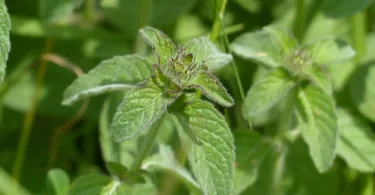
- Companion Planting: Grow cabbage with dill, mint, or onions to deter pests naturally.
Supporting Head Formation
- As heads form, gently firm the soil around the base to anchor plants.
- For varieties prone to splitting, reduce watering slightly when heads are nearly mature to slow growth.
Harvesting Cabbage
Cabbage is ready to harvest when heads feel firm and reach the desired size, typically 60–100 days after planting, depending on the variety.
- How to Harvest: Use a sharp knife to cut the head at the base, leaving a few outer leaves for protection if storing.
- Successive Harvests: Some varieties produce smaller secondary heads after the main head is cut. Leave the plant in the ground to encourage these.
- Storage: Store cabbage in a cool, humid place (32–40°F, e.g., a refrigerator or root cellar) for up to 2–3 months. Wrap heads in plastic to retain moisture.
Tips for Harvesting
- Timing: Harvest early in the morning when heads are crisp and cool.
- Size: Smaller heads (4–6 inches) are ideal for fresh use, while larger heads (6–10 inches) are great for storage or fermenting.
- Splitting: If heads begin to split, harvest immediately to avoid pest or disease issues.
Propagation Methods
Cabbage is typically grown from seeds or transplants, as it’s an annual or biennial crop not commonly propagated vegetatively. However, you can save seeds for future planting if growing open-pollinated (non-hybrid) varieties.
Seed Saving
- Select Plants: Choose healthy, true-to-type plants from open-pollinated varieties (e.g., ‘Copenhagen Market’). Avoid hybrids, as seeds may not produce identical plants.
- Allow Bolting: Let plants overwinter (in mild climates) or store roots in a cool place and replant in spring. Cabbage will bolt and produce yellow flowers in its second year.
- Collect Seeds: Harvest seed pods when they turn brown and dry. Break open pods to collect seeds.
- Store Seeds: Dry seeds thoroughly and store in a cool, dry place in an airtight container for up to 4–5 years.
Tips for Success
- Isolation: Grow only one cabbage variety or isolate plants by 1–2 miles to prevent cross-pollination with other brassicas (e.g., broccoli, kale).
- Hygiene: Clean seeds to remove debris and ensure they’re fully dry to prevent mold.
Common Challenges and Solutions
- Bolting: Premature flowering due to heat or stress. Choose bolt-resistant varieties (e.g., ‘Gonzales’) and plant at the right time for your climate.
- Splitting Heads: Caused by rapid growth after heavy rain or overwatering. Maintain consistent moisture and harvest promptly when heads are mature.
- Pest Damage: Cabbage worms and aphids are common. Use row covers, inspect plants regularly, and apply organic pest controls.
- Nutrient Deficiency: Yellowing leaves may indicate nitrogen deficiency. Apply a balanced fertilizer and test soil pH to ensure it’s within 6.0–6.8.
Companion Planting Ideas
Cabbage grows well with plants that deter pests or enhance growth:
- Dill and Mint: Repel cabbage worms and aphids.
- Onions and Garlic: Deter pests with their strong scent.
- Marigolds: Attract beneficial insects and reduce nematode populations.
- Celery: Complements cabbage in the garden and shares similar care needs.
Why Growing Cabbage is Worth It
Growing cabbage is a rewarding endeavor that yields crisp, nutritious heads for your kitchen. Its cold tolerance, versatility, and relatively simple care make it a fantastic crop for home gardeners. Whether you’re savoring fresh coleslaw, fermenting sauerkraut, or adding cabbage to hearty dishes, your homegrown harvest will bring satisfaction and flavor.
Start growing cabbage today and enjoy a bountiful harvest! For more vegetable gardening tips or ideas for companion planting, explore our other guides. Happy gardening!