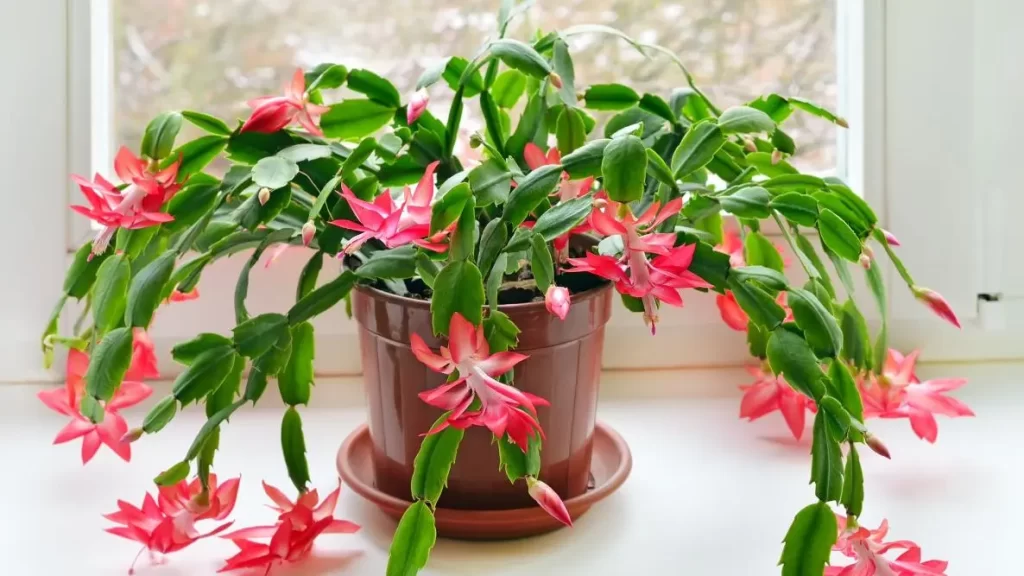
In the midst of the dark and bitter winter months, the Christmas cactus, also known as the Schlumbergera, emerges as a burst of vibrant color, capturing houses with its lovable attractiveness. In addition, the Christmas cactus is also known as the Schlumbergera. People who start getting ready for the holidays with their families sometimes have one concern in their thoughts, and that concern is sometimes: Are Christmas Cactus Poisonous to cats?
Read: Kalanchoe Daigremontiana (Mother of Thousands)
The Secret of the Christmas Cactus Has Been Uncovered After All These Years
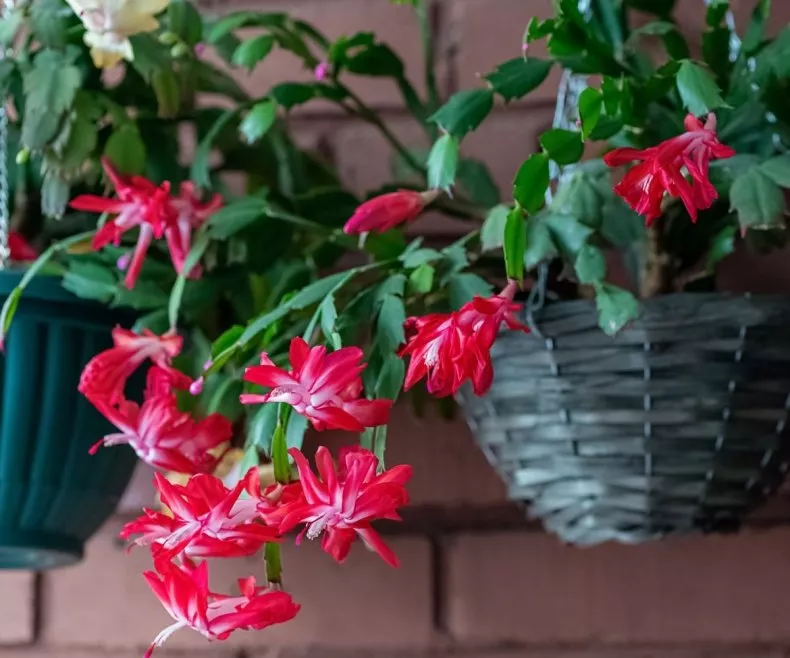
The Christmas cactus is a popular houseplant that has become closely associated with the winter holiday season. This plant is known as the “Christmas cactus,” and it is a beautiful addition to any home during this time of year. In contrast to its contemporaries, which are often found in drier areas, this species of cactus is thought to have originated in the verdant tropical rainforests that cover most of Brazil. The amazing segmented leaves and magnificent tubular blossoms of this plant, which bloom just in time for Christmas in the Northern Hemisphere, are two of the reasons why plant enthusiasts hold it in such high esteem. The plant comes into bloom just in time for Christmas in the Northern Hemisphere.
The Christmas Cactus and Cats: A Compatibility That Does Not Pose a Danger to Either Party
An authority on the protection of pets, the American Society for the Prevention of Cruelty to Animals (ASPCA), has said that the Christmas cactus is not believed to be harmful to cats. This information comes as a relief to pet owners. This material has been provided by the ASPCA. This judgment shows that even if a curious kitty indulges in a nibble of this plant, the consequences are unlikely to be as severe as those related to certain other harmful plants. Because the plant in issue is known to be less poisonous than other plants that are similar in appearance, this is the result.
Read: Exploring the Environmental Benefits of Switchgrass Plantations
Taking Precautions to Minimize the Risk of Unwanted Effects
In spite of the fact that the Christmas cactus has been tested and found to be non-toxic, this does not rule out the chance that it might cause animals to experience some little pain. In the case that some cats consume the chemical, there is a possibility that they may have some slight gastrointestinal problems.
Be on the alert for symptoms such as nausea and vomiting, diarrhea, an increase in saliva production, and even a sudden loss of appetite.
The most prudent thing to do in any situation is to take precautions
Even while the Christmas cactus poisonous to cats or not is clear, it’s still a good idea to take certain safety measures to protect yourself from it just in case. Teaching cats not to nibble on plants may be a very helpful technique since it stops them from eating plants that might be harmful to their health.
- Placement Strategies: Choose locations that are out of your cat’s reach to add a degree of challenge to the process of gaining access to the Christmas cactus.
- When you catch your cat in the act of nibbling on a plant, you should immediately and firmly tell it “no” in an unwaveringly constant way. This will help you train your cat’s behavior. Over time, this will make it less appealing to engage in the behavior.
- Introduce safer choices such as cat grass or catnip, which may function as safer and more appropriate alternatives for your furry friend’s inclination to nibble on things.
Read: Silver Sword Philodendron – Propagation, Care, and Benefits
Being Aware of the Possible Dangers Presented by Imitations of Hazardous Substances

Even while it isn’t hazardous, the Christmas cactus resembles two other varieties of holiday cacti: the Thanksgiving cactus (Schlumbergera truncata) and the Easter cactus (Rhipsalidopsis gaertnerii).
- True Cacti: Some desert cacti, which can be recognized by their spines, have the potential to cause physical harm to cats who are unduly curious about them. Cats can identify these cacti.
- It is well known that poinsettias, one of the most well-known Christmas plants, may make a cat’s mouth and stomach feel a little uncomfortable, which can occasionally cause the cat to throw up
- The plant known as mistletoe is often associated with the wintertime holiday season. Unfortunately, cats are particularly sensitive to the toxicity of mistletoe, and exposure to it may result in gastrointestinal distress, difficulty breathing, and even convulsions in very extreme instances.
Conclusion
If a cat owner is really devoted to the well-being of their feline companion, one of their first concerns should be the maintenance of a secure environment. The fact that the Christmas cactus can live peacefully with our feline companions brings us comfort at the same time as its presence in our homes contributes to the joy that we feel throughout the holiday season. It is commendable to use prudence and come to judgments after gathering as much information as possible, even if it is widely believed that the plant in question does not represent a risk to human beings. Read more…
.