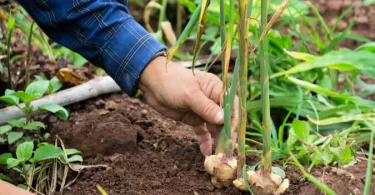
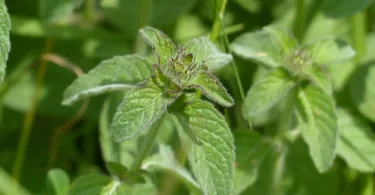
Growing plants in extreme cold can seem impossible, especially without the shelter of a greenhouse. Yet, with the right techniques, insulation, and hardy plant selection, you can maintain a thriving garden even in freezing temperatures. This guide will walk you through effective strategies, tips, and troubleshooting methods to grow plants successfully in extreme cold.
Choosing Hardy Plants in Extreme Cold

The first step to successful cold gardening is selecting the right plants. Opt for species that naturally withstand frost and freezing temperatures:
- Vegetables: Kale, spinach, carrots, turnips, radishes, and cabbage.
- Herbs: Thyme, rosemary, sage, chives, and parsley.
- Flowers: Pansies, primroses, hellebores, and winter aconite.
- Fruit: Some varieties of apples, pears, and hardy berries like cranberries and raspberries.
Tips for Plant Selection:
- Use native plants, as they’re naturally adapted to local winters.
- Check the USDA Hardiness Zone or your local equivalent.
- Choose early-maturing varieties to maximize the short growing season.
Soil Preparation for Cold Climates
Healthy soil is crucial for plants to survive freezing conditions. Here’s how to prepare it:
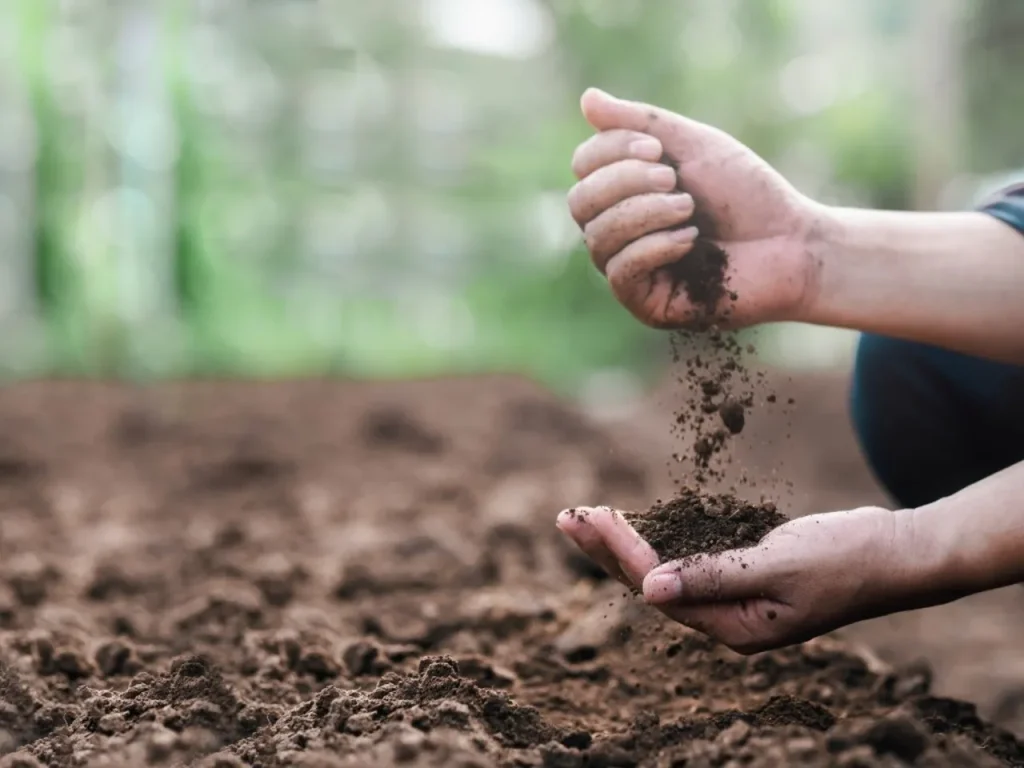
- Raised Beds: Using raised beds warms the soil faster in spring and prevents waterlogging.
- Improve Drainage: Cold soil holds water longer, increasing the risk of root rot. Add sand or organic matter to improve drainage.
- Add Organic Matter: Compost and well-rotted manure improve soil structure and provide nutrients.
- Mulch Heavily: Mulch insulates roots, protects against frost, and retains moisture. Straw, shredded leaves, or wood chips work well.
Watering in Cold Weather
Watering in freezing temperatures requires care:
- Avoid Overwatering: Waterlogged soil can freeze, damaging roots.
- Water in the Morning: This allows plants to absorb moisture before temperatures drop at night.
- Use Lukewarm Water: Slightly warm water prevents shocking plant roots.

Sunlight Management
Short days and weak winter sunlight are challenges for cold gardening:
- Consider indoor seed starting if sunlight is insufficient for seedlings.
- Position plants where they receive maximum sunlight, ideally south-facing.
- Use reflective materials (white walls, aluminum sheets) to direct more light toward plants.
Troubleshooting Table: Cold Gardening Without a Greenhouse
| Problem | Possible Cause | Solution |
|---|---|---|
| Leaves turning black/frost damage | Frost exposure | Use row covers, cloches, or mulch around plants |
| Soil stays frozen | Poor drainage, compacted soil | Improve soil with sand, compost, or raised beds |
| Plants wilt despite watering | Root freeze or ice layer | Water only during thaw, use thermal mass to maintain warmth |
| Slow growth | Short sunlight hours | Maximize sun exposure, use reflective surfaces, consider indoor seed starting |
| Pest attack in winter | Rodents or insects | Use physical barriers, traps, or natural deterrents like neem oil |
| Yellowing leaves | Nutrient deficiency | Add slow-release organic fertilizer, compost, or foliar feeding |

Insulation and Protection Techniques
Without a greenhouse, insulation becomes the key to survival. Here are several methods:
1. Cold Frames
A cold frame is a small, enclosed structure with a transparent lid. It traps heat from the sun and protects plants from wind and frost. Even DIY cold frames made from old windows or clear plastic sheets are highly effective.
2. Row Covers
Lightweight fabric or plastic sheets draped over plants can raise temperatures by several degrees. These covers also protect against frost, wind, and pests.

3. Cloches and Mini Tunnels
Individual plant cloches or low tunnels can shield seedlings and small plants. Transparent materials allow sunlight while keeping cold out.
4. Mulching
Mulching isn’t just for soil, it can be used to cover entire plant bases. Apply straw, hay, or leaves to trap heat and reduce frost damage.
5. Thermal Mass
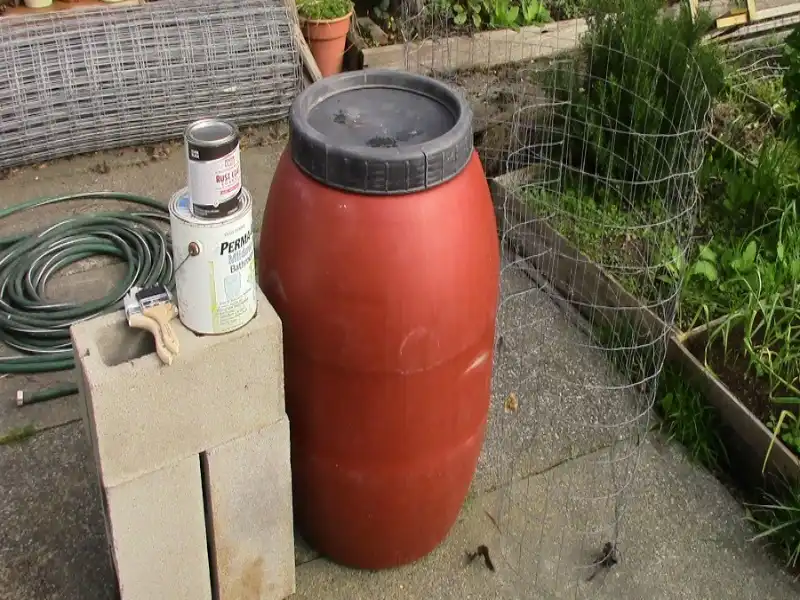
Place stones, bricks, or water containers around plants. These absorb heat during the day and release it at night, moderating temperature swings.
Conclusion
Growing plants in extreme cold without a greenhouse is entirely achievable with the right strategies. By choosing cold-hardy varieties, preparing nutrient-rich soil, using insulation methods like row covers or mulch, and monitoring plant health regularly, you can protect your garden from frost and thrive even in harsh winters. With patience, planning, and the troubleshooting techniques outlined above, you can enjoy fresh produce and vibrant plants year-round, no greenhouse required.