A vibrant, healthy garden is a source of joy, color, and relaxation. However, many gardeners struggle with plant diseases that damage flowers and spoil the beauty of their outdoor spaces. Fortunately, it is entirely possible to grow disease-resistant flowers naturally without relying on harsh chemicals. By combining proper plant selection, organic soil management, and eco-friendly care techniques, you can cultivate a thriving garden that resists pests and diseases.
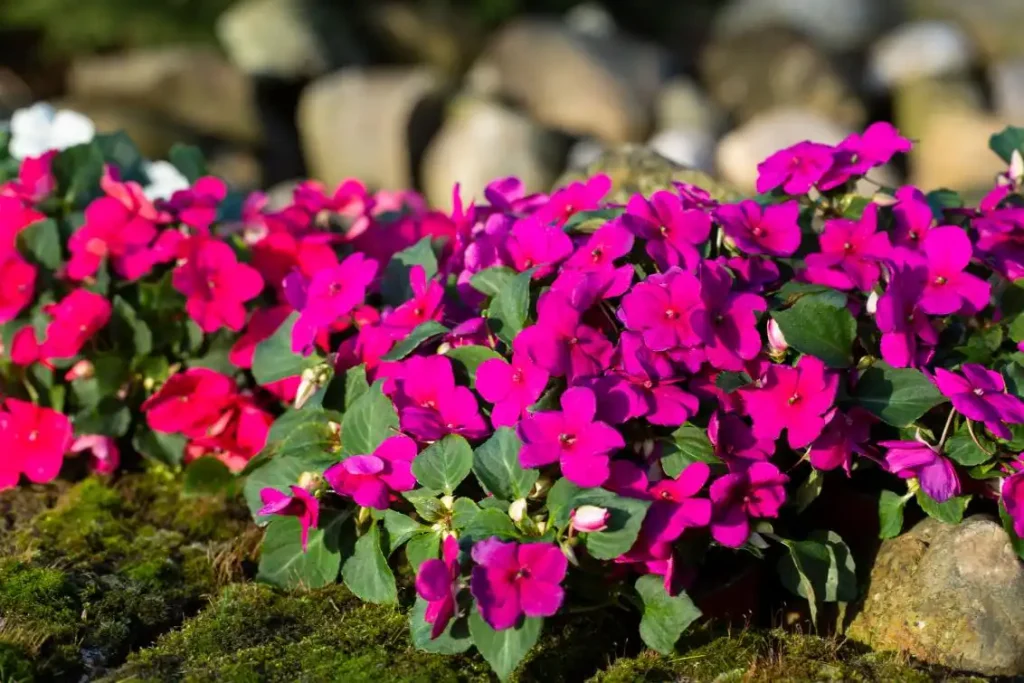
1. Choose Disease-Resistant Flower Varieties
The first step to naturally protecting your flowers from disease is selecting the right plants. Certain flower varieties are naturally resistant to common diseases, making your gardening journey much easier.
- Research before planting: Check plant labels or seed catalogs for terms like “disease-resistant” or “immune to mildew”.
- Native plants: Flowers that are native to your region are naturally adapted to local pests and diseases. They require less intervention.
- Hybrid varieties: Many modern hybrids are specifically bred to resist common fungal or viral infections. Examples include marigolds, zinnias, and daylilies.
By starting with strong, resilient plants, you reduce the chances of disease taking hold in your garden.
2. Prepare Healthy, Nutrient-Rich Soil
Healthy soil is the foundation of disease-resistant flowers. Plants grown in well-balanced, nutrient-rich soil are stronger and more capable of fighting infections naturally. Here’s how to prepare your soil:
- Test your soil: Use a soil testing kit to check pH levels and nutrient content. Most flowers thrive in slightly acidic to neutral soil (pH 6.0–7.0).
- Add organic matter: Compost, well-rotted manure, and leaf mold improve soil structure, drainage, and nutrient availability.
- Avoid over-fertilizing: Excess nitrogen can make plants lush but weak, making them more susceptible to diseases. Instead, aim for balanced, slow-release fertilizers.
- Practice crop rotation: If you grow annual flowers, change planting spots each season to prevent soil-borne diseases from building up.

Healthy soil supports strong root systems, which is the first defense against disease.
3. Provide Proper Watering Techniques
Watering may seem simple, but improper watering is one of the main causes of flower diseases. Overwatering and wet foliage create an environment for fungi and bacteria to thrive. Here’s how to water wisely:
- Water at the base: Use a drip system or water at the soil level to keep leaves dry.
- Early morning watering: Watering in the morning allows moisture to evaporate throughout the day, reducing fungal growth.
- Consistent moisture: Avoid letting soil completely dry out or become waterlogged. Even, moderate watering keeps flowers strong.
- Mulch: Organic mulch like straw or wood chips helps retain soil moisture, prevents splash-borne pathogens, and reduces weeds.
Proper watering is a natural, preventative step that keeps flowers healthy.
4. Promote Air Circulation
Air circulation is critical in reducing fungal diseases like powdery mildew or leaf spot. Crowded plants trap humidity, creating the perfect conditions for infections. To improve airflow:
- Space plants adequately: Follow spacing recommendations on plant labels. Avoid overcrowding.
- Prune regularly: Remove dead or diseased leaves and thin out dense foliage.
- Use trellises or supports: For tall flowers, providing support structures keeps stems upright and improves airflow.
- Plant in sunny areas: Sunlight naturally reduces moisture on leaves, limiting fungal growth.

By improving air circulation, you create a hostile environment for disease without any chemicals.
5. Companion Planting
Companion planting is a natural method to protect flowers by pairing them with other plants that repel pests and inhibit diseases. Some strategies include:
- Marigolds: Plant marigolds near susceptible flowers; they repel nematodes and insects.
- Herbs: Basil, thyme, and rosemary deter harmful pests and may prevent fungal infections.
- Alliums: Garlic and onions release sulfur compounds that reduce bacterial and fungal growth in nearby plants.
Strategic planting creates a self-protecting ecosystem in your garden.
6. Use Natural Remedies
Instead of chemical fungicides or pesticides, many natural remedies effectively prevent and treat plant diseases:
- Neem oil: Acts as a natural fungicide and insect repellent. Mix with water and spray on leaves every few weeks.
- Baking soda solution: A mixture of baking soda, water, and a few drops of liquid soap can help prevent powdery mildew.
- Garlic spray: Crush garlic cloves, mix with water, and spray on plants to reduce fungal infections.
- Compost tea: A natural fertilizer and disease-preventive solution, rich in beneficial microorganisms that outcompete harmful pathogens.
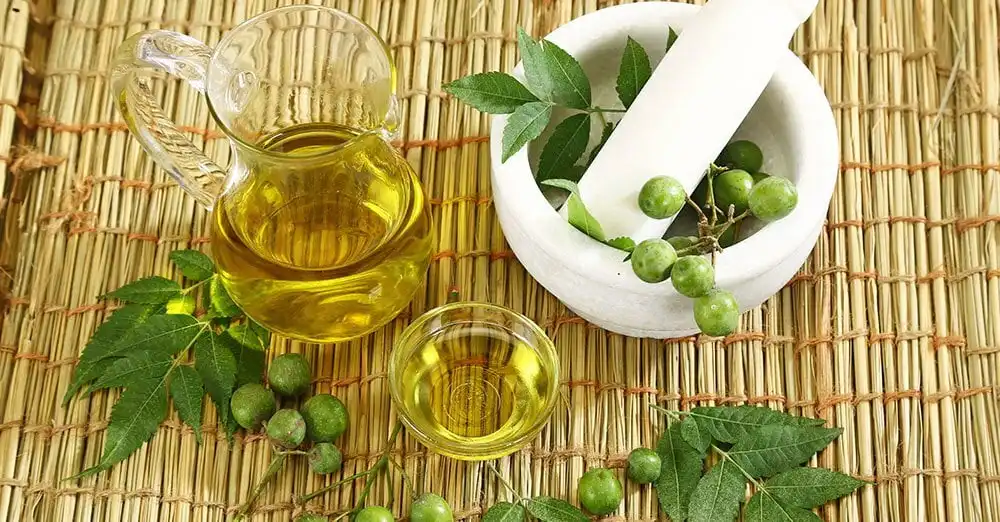
These remedies are safe for the environment and your garden ecosystem.
7. Maintain Garden Hygiene
Cleanliness is essential for preventing the spread of diseases. Fungal spores and bacteria can survive on garden tools, debris, and old plant material. Follow these practices:
- Sterilize tools: Wipe pruning shears and trowels with rubbing alcohol before use.
- Remove diseased plants: Immediately dispose of any infected flowers or leaves. Do not compost heavily diseased material.
- Clear debris: Fallen leaves and dead plants are breeding grounds for pathogens. Remove them regularly.
- Rotate plants: Prevent soil-borne diseases by rotating annual flowers to new spots each year.
A tidy garden is a naturally disease-resistant garden.
8. Strengthen Plants with Proper Care
Flowers that receive proper care are naturally resilient. This includes:
- Regular feeding: Use organic fertilizers, compost, or worm castings to nourish plants.
- Mulching: Retains moisture, regulates temperature, and prevents weeds.
- Pruning: Promotes healthy growth and prevents disease spread.
- Sunlight: Most flowers need at least 6 hours of sunlight to thrive.

Healthy, well-cared-for plants are naturally equipped to resist disease, reducing the need for intervention.
9. Monitor and Respond Early
Even the best-prepared garden may encounter disease. The key is early detection and intervention:
- Inspect plants regularly: Check leaves, stems, and flowers for unusual spots, discoloration, or wilting.
- Act immediately: Remove infected leaves or spray natural remedies as soon as you notice signs.
- Keep records: Note which flowers had issues, environmental conditions, and remedies used. This helps prevent future problems.
Early action minimizes the spread of disease and keeps flowers thriving naturally.
10. Encourage Beneficial Insects
Beneficial insects play a natural role in protecting flowers:
- Ladybugs: Feed on aphids and other harmful insects.
- Lacewings: Consume a variety of garden pests.
- Bees and pollinators: Not only pollinate flowers but also promote a balanced garden ecosystem.
Avoid chemical pesticides, which can harm these helpful insects, and your flowers will benefit from natural pest control.

Conclusion
Growing disease-resistant flowers naturally is entirely achievable with the right approach. By choosing resistant varieties, enriching your soil, practicing proper watering and pruning, and using natural remedies, you create a thriving, healthy garden. Maintaining cleanliness, encouraging beneficial insects, and monitoring plants regularly further reduces the risk of disease.
The beauty of natural gardening is that it not only protects your flowers but also nurtures a sustainable, eco-friendly environment. With patience, observation, and care, your garden can bloom vigorously, free from disease, all year round.