Healthy plants, vibrant vegetables, and thriving flowers all begin with one key principle: balanced pest control. When pests strike, it’s tempting to reach for chemical sprays—but they can harm soil health, beneficial insects, and even the food you grow. That’s where natural pest deterrents for organic gardens come in. These eco-friendly methods protect your plants while keeping your garden safe, sustainable, and full of life.
Whether you’re growing vegetables, herbs, or ornamentals, this comprehensive guide explains how to identify pests, prevent infestations naturally, and use organic solutions that truly work.
Understanding Common Garden Pests
To use the right natural pest deterrents, you must first identify the pests you’re dealing with.
1. Aphids
Small, soft-bodied insects that suck sap from stems and leaves.
2. Whiteflies
Tiny white moth-like insects found on leaf undersides.
3. Caterpillars
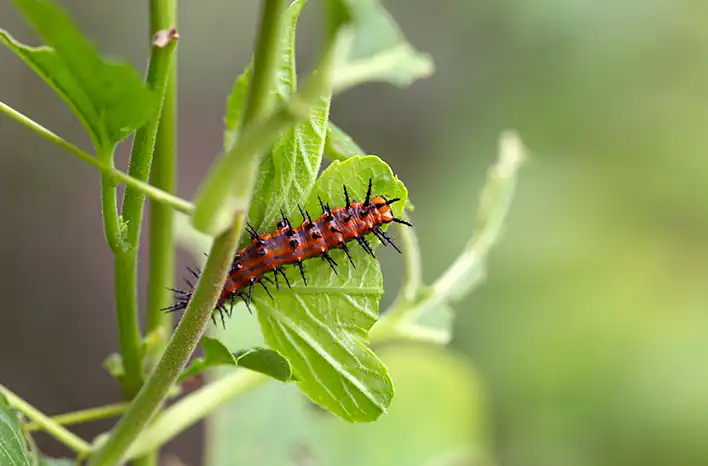
Leaf-chewing larvae that can strip a plant quickly.
4. Slugs & Snails
Night crawlers that leave slime trails and chew young leaves.
5. Spider Mites
Microscopic pests causing speckled leaves and webs.
Top Natural Pest Deterrents for Organic Gardens
Below are the best eco-friendly methods, simple, safe, and proven to work.
1. Neem Oil: A Powerful Organic Pesticide

Neem oil is one of the most effective natural pest deterrents for organic gardens.
How it works
- Disrupts pest feeding
- Stops reproduction
- Repels insects with its strong scent
Effective against:
Aphids, whiteflies, mites, beetles, caterpillars
How to use
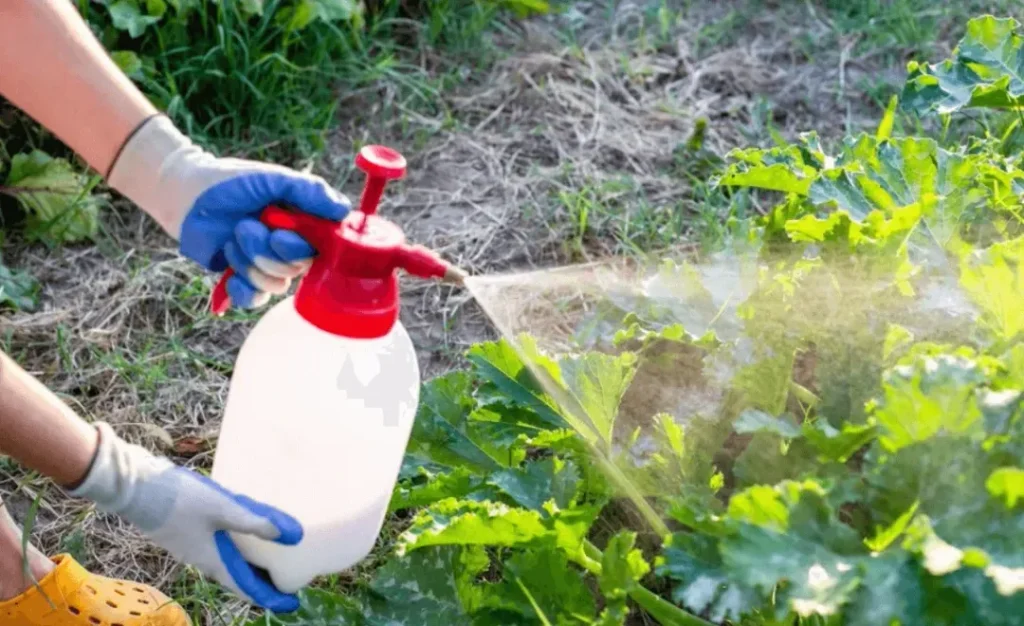
Mix 1–2 teaspoons of neem oil with 1 liter of water and a few drops of mild soap. Spray weekly.
2. Soap and Water Spray
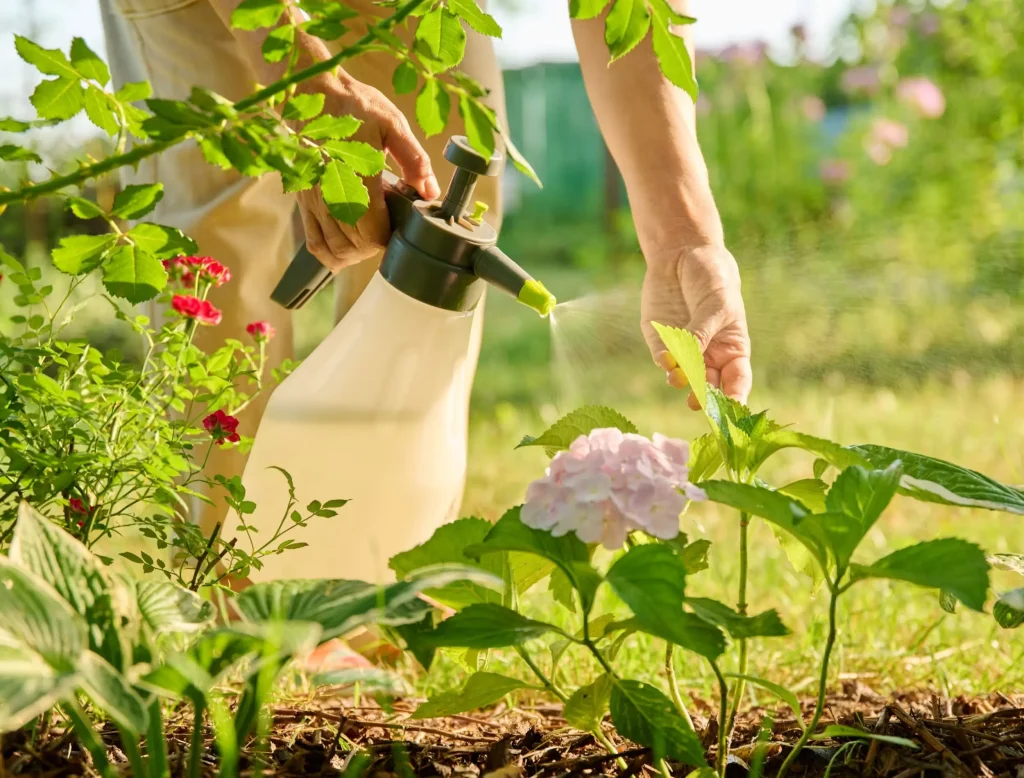
A mild soap spray kills soft-bodied insects by breaking down their protective coating.
Effective for:
Aphids, mealybugs, whiteflies, spider mites
Recipe
- 1 teaspoon liquid dish soap
- 1 liter water
Spray directly on pests for best results.
3. Garlic Spray
Garlic’s strong sulfur compounds repel a wide range of pests.
How to make
Blend:
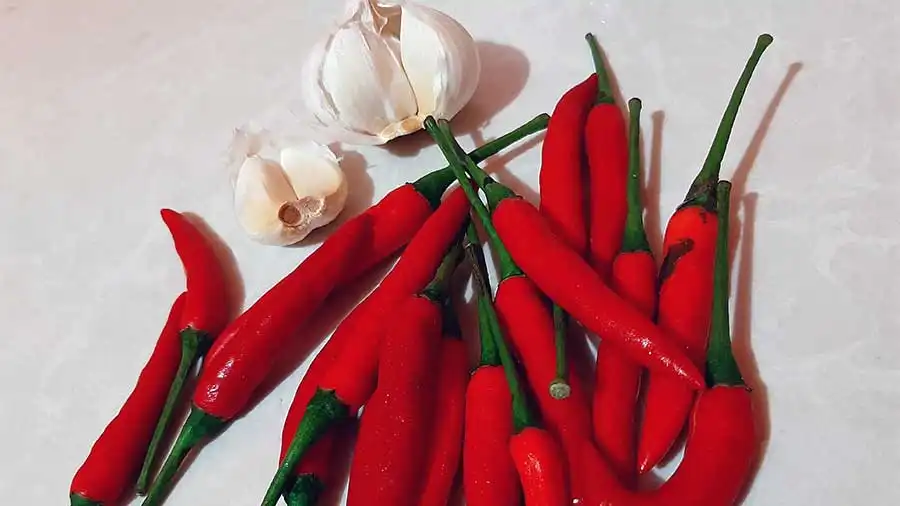
- 1 garlic bulb
- 1 liter water
- Optional: chili peppers for extra strength
Strain and spray on leaves weekly.
Targets:
Aphids, caterpillars, beetles, mites
4. Companion Planting
Planting specific plants together naturally repels pests.
Best companion plants
| Pest | Companion Plant Deterrent |
|---|---|
| Aphids | Marigolds, nasturtium |
| Mosquitoes | Lavender, basil, citronella |
| Beetles | Catnip, tansy, chives |
| Moths | Rosemary, sage |
| Nematodes | Marigolds |
| Whiteflies | Marigold, basil |
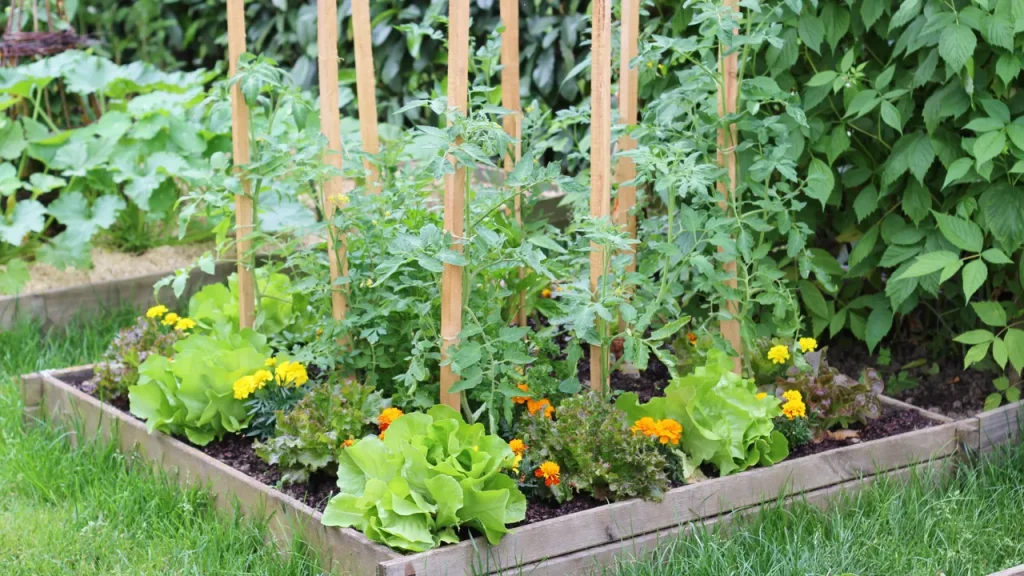
Companion planting is a long-term, maintenance-free deterrent.
5. Diatomaceous Earth (Food Grade)
This powder is made from fossilized algae and is safe for humans but deadly to crawling insects.
Works against:
Slugs, snails, beetles, ants, earwigs
How to apply
- Sprinkle around plant bases or on leaves.
- Reapply after rain.
Best Plants That Naturally Repel Pests
Some plants themselves act as natural pest deterrents.
Top pest-repelling plants

- Basil
- Marigold
- Lavender
- Mint
- Rosemary
- Catnip
- Chrysanthemums
- Lemongrass
- Sage
- Thyme
Place these around vegetable beds, borders, or containers.
Troubleshooting Table: Natural Pest Control Issues
| Problem | Possible Cause | Solution |
|---|---|---|
| Natural sprays not working | Too diluted or not applied regularly | Increase strength, spray weekly, apply in morning |
| Leaves burning after spray | Sprayed under hot sun | Spray early morning or evening |
| Beneficial insects disappearing | Overuse of sprays | Reduce frequency, plant flowers to attract them |
| Slugs still damaging plants | They avoid dry areas | Add more barriers, use beer traps, apply diatomaceous earth |
| Aphids returning quickly | Ants farming aphids | Control ant population with barriers or deterrents |
| Whiteflies persistent | Underside not sprayed | Spray underside of leaves thoroughly |
| Plants stressed after treatment | Concentration too high | Dilute mixture and test on one leaf first |

Final Thoughts
Using natural pest deterrents for organic gardens is the safest, most sustainable way to protect your plants while maintaining a chemical-free growing environment. With consistency, observation, and a combination of preventive and responsive methods, you can keep pests under control and enjoy a thriving organic garden year-round.