Growing food plants in winter naturally is not only possible, it’s highly rewarding. While many gardeners assume winter means dormant soil and empty beds, the truth is that cold seasons can be incredibly productive when approached with the right organic techniques. From leafy greens to root vegetables, winter gardening allows you to enjoy fresh, chemical-free produce while improving soil health and reducing pests naturally.
This comprehensive guide will walk you through everything you need to know about growing food plants in winter naturally, including plant selection, soil preparation, organic protection methods, watering tips, and a detailed troubleshooting table to solve common problems.
Best Food Plants for Growing in Winter Naturally
Choosing the right crops is the foundation of successful winter gardening.
Leafy Greens
These are the easiest and most reliable winter crops:
- Spinach
- Lettuce (butterhead, romaine)
- Kale
- Swiss chard
- Mustard greens
Root Vegetables

Roots thrive in cool soil and store well:
- Carrots
- Beets
- Radishes
- Turnips
- Garlic
Brassicas (Cold-Hardy Vegetables)
- Cabbage
- Broccoli
- Cauliflower
- Brussels sprouts
Herbs That Grow Well in Winter
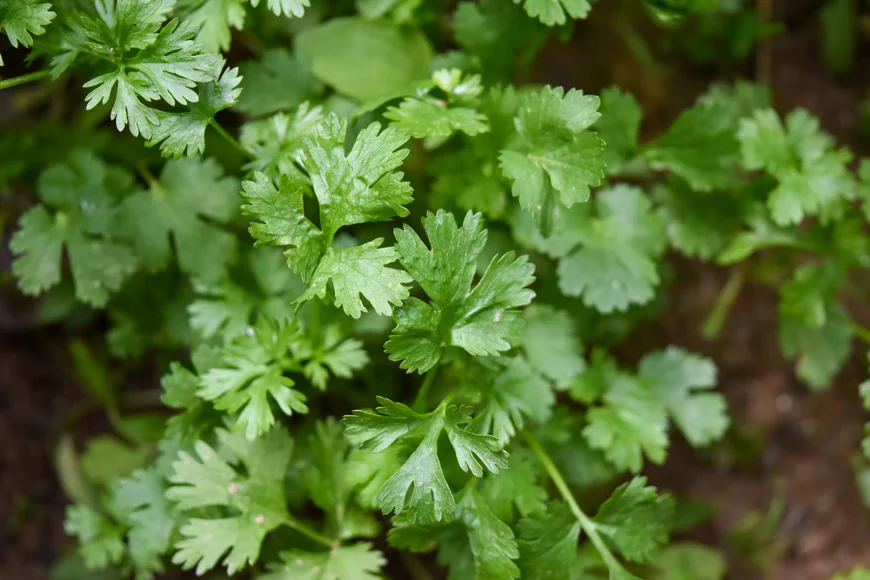
- Coriander (cilantro)
- Parsley
- Dill
- Fenugreek (methi)
Preparing Soil Naturally for Winter Crops
Healthy soil is the backbone of growing food plants in winter naturally.
Step 1: Enrich with Organic Matter
Add:
- Well-rotted compost
- Vermicompost
- Leaf mold
This improves soil structure and provides slow-release nutrients.
Step 2: Avoid Chemical Fertilizers
Synthetic fertilizers can damage soil microbes, which are already less active in winter. Instead, use:
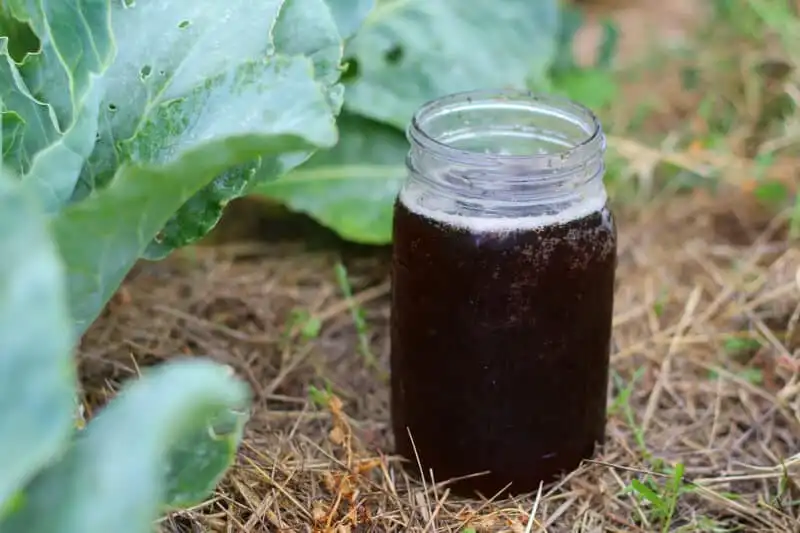
- Compost tea
- Bone meal
- Neem cake
Step 3: Improve Drainage
Winter soil must drain well to prevent root rot. Raised beds or adding coarse sand can help.
Natural Mulching Techniques for Winter Gardening
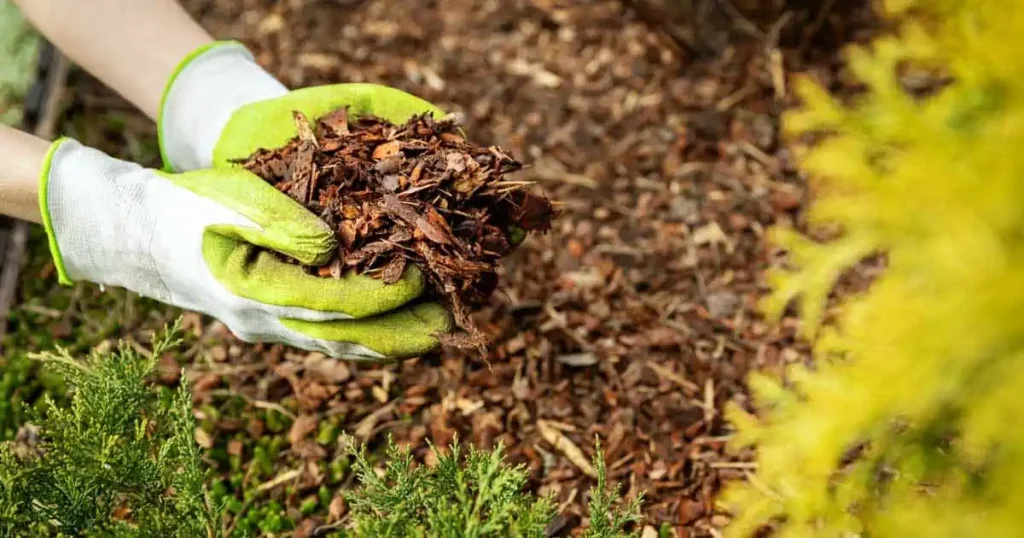
Mulching is essential for temperature regulation and moisture retention.
Best Natural Mulches
- Dry leaves
- Straw
- Grass clippings
- Sugarcane mulch
Benefits of Mulching
- Protects roots from frost
- Reduces weeds
- Maintains soil moisture
- Encourages beneficial organisms
Apply a 2–3 inch layer around plants, avoiding direct contact with stems.
Protecting Plants from Frost Naturally
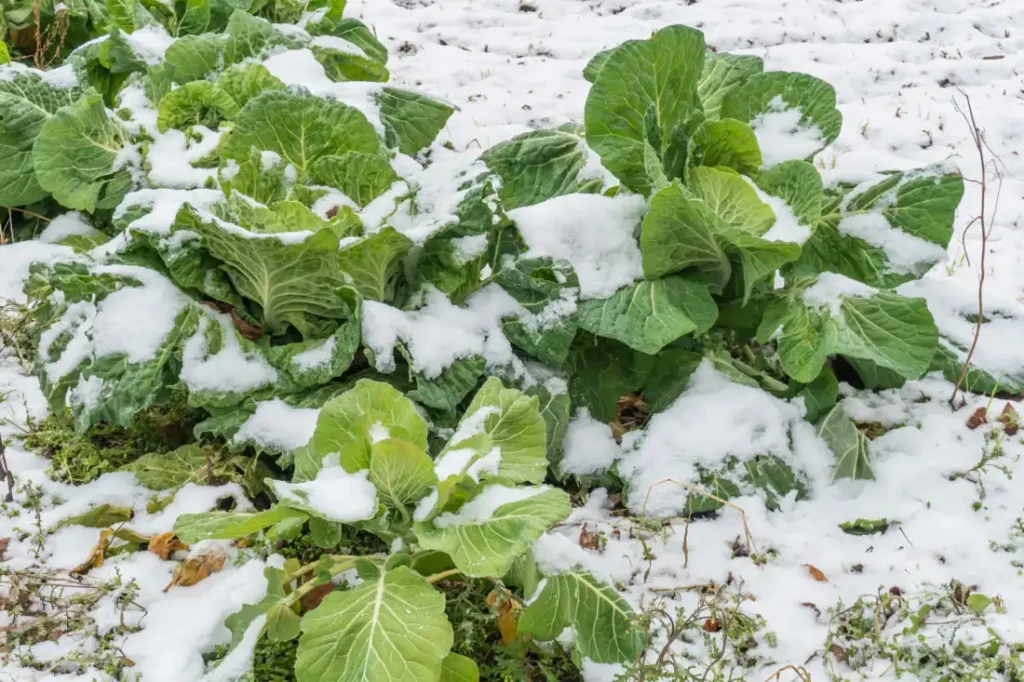
Frost is the biggest threat when growing food plants in winter naturally.
Natural Frost Protection Methods
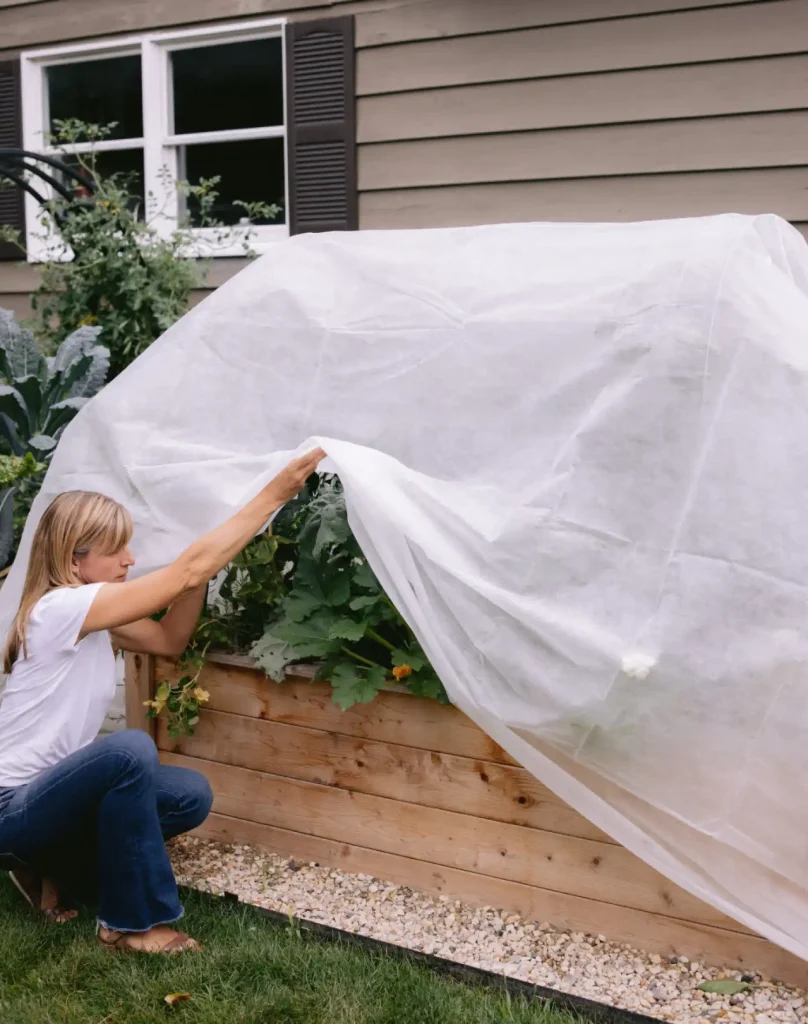
- Cloth covers or old bedsheets at night
- Straw domes around sensitive plants
- Plastic tunnels (remove during the day)
- Watering soil lightly before frost nights
These methods trap heat and prevent freezing damage.
Watering Food Plants in Winter the Natural Way
Overwatering is a common winter mistake.
Best Watering Practices
- Water only when soil feels dry
- Water in the morning, not evening
- Avoid wetting leaves to prevent fungal diseases
Winter crops require 30–50% less water than summer plants.
Harvesting Winter Crops for Best Flavor
Harvesting correctly improves taste and plant productivity.
Harvesting Tips

- Pick leafy greens regularly to encourage new growth
- Harvest roots when soil is moist
- Leave some outer leaves on plants like kale
Cold weather often enhances sweetness, especially in carrots and spinach.
Troubleshooting Table: Growing Food Plants in Winter Naturally
| Problem | Likely Cause | Natural Solution |
|---|---|---|
| Slow plant growth | Low sunlight or cold soil | Move pots to sunnier spot, add compost |
| Yellowing leaves | Nutrient deficiency | Apply vermicompost or compost tea |
| Wilting plants | Overwatering or poor drainage | Reduce watering, improve soil drainage |
| Frost-damaged leaves | Sudden temperature drop | Cover plants with cloth or straw |
| Fungal disease | Excess moisture | Improve airflow, avoid evening watering |
| Pest presence | Weak plant immunity | Spray neem oil, strengthen soil health |
| Root rot | Waterlogged soil | Use raised beds, add sand to soil |
| Poor germination | Cold soil temperature | Start seeds indoors or use mulch |
Final Thoughts
Growing food plants in winter naturally is a powerful way to enjoy fresh, healthy produce while nurturing the environment. With proper crop selection, organic soil preparation, natural frost protection, and mindful watering, winter can become one of your most productive gardening seasons.
Whether you grow in a backyard, balcony, or containers, natural winter gardening proves that food production doesn’t have to stop when temperatures drop, it simply adapts.