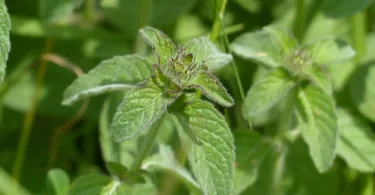
If you are finding nasty squiggly lines in your basil, mint, parsley or cilantro; you have leaf miners on herbs. These pests, which are the larvae of a small fly, live in the leaves where they cause damage and deplete towards the plant’s overall production of good flavor. The good news is that you can control and prevent leaf miner infestation naturally and without using any toxic chemicals that might affect you, pollinators, or other beneficial insects.
In this straightforward and practical guide, we will look at why leaf miners chose to infest herbs and how to identify them early on, along with successful organic remedies and prevention ideas that have been successful in backyard growing across the United States, the United Kingdom, Canada, Australia and many more places. The methods covered in this guide are safe for edible plants, are environmentally friendly and can be used by someone new to gardening. Let us help you to save your herb garden from being taken over by leaf miners and to ensure that your kitchen has a supply of fresh, pest-free herbs!
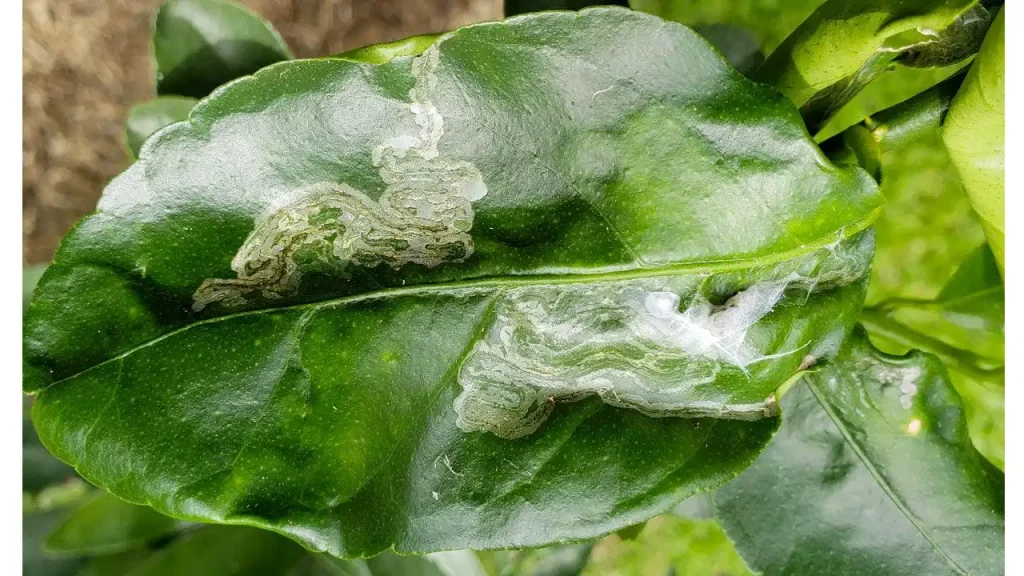
Early Signs of Leaf Miners on Herbs
Catch them fast for easiest control:
- White, winding trails or blotches on leaves (serpentine mines)
- Small black specks (frass/poop) inside tunnels
- Yellowing or browning leaves
- Tiny black flies (adults) hovering around plants
Inspect undersides and new growth regularly – early detection is your best defense.
Natural and Organic Remedies to Control Leaf Miners on Herbs
Here are safe, proven methods – focus on prevention first, then targeted treatment.
1. Remove and Destroy Infested Leaves (Immediate Cultural Control)
Hand-picking and destroying mined leaves is the easiest and most efficient step.

- At the base, pinch off any afflicted foliage.
- To kill larvae and pupae inside, use a bag and trash (do not compost).
- If the trail ends in a bulge, crush the leaves between your fingers to squash the larvae.
During outbreaks, do this every day to quickly break the life cycle.
2. Use Row Covers or Fine Netting (Best Prevention)
Floating row covers or insect netting (mesh <1mm) block adult flies from laying eggs.
- Install over herbs at planting or first sign of adults.
- Secure edges to prevent entry.
- Remove during flowering if pollinators needed (herbs like basil flower quickly).
This physical barrier often eliminates the problem entirely.
3. Neem Oil Spray (Organic Gold Standard)
Neem oil disrupts feeding, egg-laying, and larval development – safe for edibles with short pre-harvest interval.

- Mix: 1-2 tsp neem oil + 1 tsp mild dish soap (emulsifier) per quart of water.
- Spray tops and undersides every 7-10 days, evenings to avoid burn.
- Reapply after rain.
Many gardeners report excellent control on basil and parsley.
4. Introduce or Attract Beneficial Insects
Natural predators keep populations low long-term.
- Parasitic wasps(Diglyphus isaea): Buy from suppliers; release near herbs.
- Lacewings and ladybugs: Attract with dill, fennel, yarrow, or alyssum.
- Avoid broad sprays that kill helpers.
Plant companion flowers around herb beds for built-in defense.
5. Yellow Sticky Traps (Monitor and Reduce Adults)
Hang yellow sticky cards near herbs – adult flies are attracted and trapped.
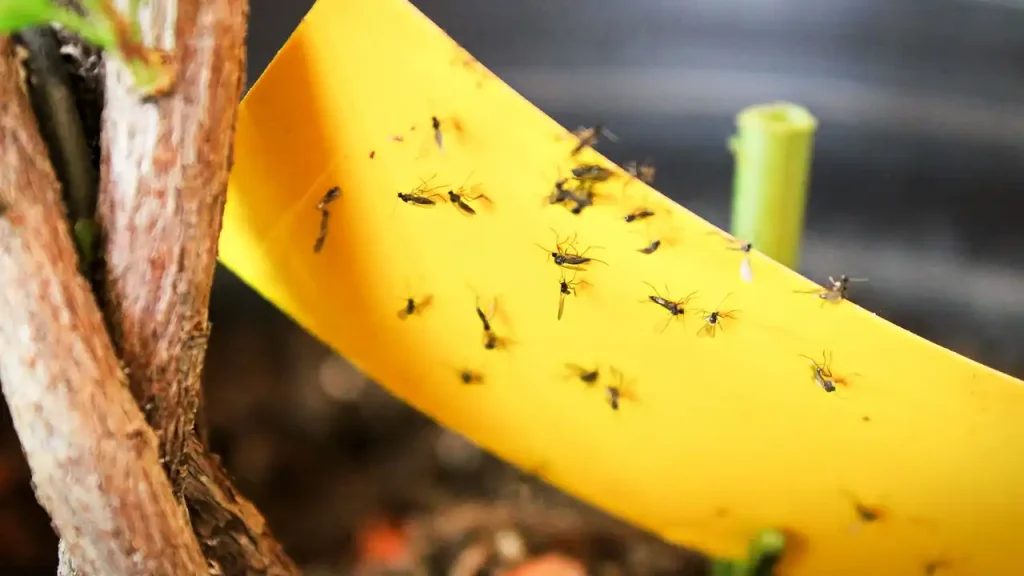
- Place 1-2 per square meter.
- Check/replace when covered.
Great for early warning and reducing breeding adults.
6. Homemade Oil or Soap Sprays (Gentle Contact Options)
Suffocate adults/eggs or deter flies.
- Vegetable oil spray: 2 tsp oil + 1 tsp dish soap in 1 liter water; spray weekly.
- Insecticidal soap: Commercial organic versions or homemade (similar ratio).
Apply evenings; test small area first.
7. Companion Planting and Trap Crops
Deter or distract miners.

- Plant marigolds, rosemary, lavender, or garlic near herbs – repels flies.
- Use trap crops like nasturtium or spinach to draw miners away.
8. Crop Rotation and Sanitation
Prevent buildup year after year.
- Rotate herbs to new spots annually.
- Clear debris/fallen leaves in fall.
- Weed around herbs (many weeds host miners).
Quick-Reference Table: Natural Remedies for Leaf Miners on Herbs
| Method | How It Works | Application Tips | Effectiveness | Safety for Edibles |
|---|---|---|---|---|
| Remove Infested Leaves | Kills larvae inside; breaks life cycle | Pinch off daily; bag & trash | High | Excellent |
| Row Covers/Netting | Physical barrier prevents egg-laying | Install early; secure edges | Very High | Excellent |
| Neem Oil Spray | Disrupts feeding/reproduction | 1-2 tsp/quart water + soap; every 7-10 days | High | High (short PHI) |
| Beneficial Insects (Wasps/Lacewings) | Predators eat larvae | Release or attract with flowers | Medium-High | Excellent |
| Yellow Sticky Traps | Traps adult flies | Hang near plants; replace when full | Medium | Excellent |
| Oil/Soap Spray | Suffocates eggs/adults | 2 tsp oil + soap/quart; evenings | Medium | High |
| Companion Planting | Repels or distracts flies | Marigolds, garlic, lavender nearby | Medium | Excellent |
| Crop Rotation & Sanitation | Reduces overwintering populations | Rotate annually; clear debris | High (long-term) | Excellent |

Combine 2-3 methods for best results!
Keep Your Herbs Thriving Naturally
Herb leaf miners don’t have to destroy your garden. Basil, mint, parsley, cilantro, and more can be organically protected with preventative measures (row covers, resistant habits) and natural remedies (neem, beneficials, removal).
Start scouting now, put up barriers early, and savor tasty, pest-free herbs all season long. Knowing that your homemade pesto, mojitos, and tabbouleh are safe and genuinely homegrown will enhance their flavor!
Have you tried any of these solutions? Which was most effective for your herbs? Let’s support one another in creating healthier herb gardens by sharing your experiences in the comments!