Hello, my friend in gardening! Have your plants suffered from poor soil conditions; an abundance of water; or low yield? There may be an explanation for this that you haven’t considered, something beneath the ground. By creating a unique relationship with roots of plants, mycorrhizal fungi develop one of nature’s greatest partnerships. They increase the number of roots that extend out from the root system of a plant. Mycorrhiza also make it easier for a plant to grow larger and healthier by pulling in water, phosphorus and other nutrients from a longer distance, as well as increasing the area in which a plant can receive its hydration and nutrient requirements.
The mycorrhizal fungus attaches itself to 80–90% of all plants; therefore, the only time a root is directly in contact with the soil is when it is growing. When a mycorrhizal is present, it acts as if the root system were extended into the ground, allowing for better access to water and nutrients. Stronger roots lead to better growth; healthy plants result in greater yields; and improved adaptability to heat and drought.
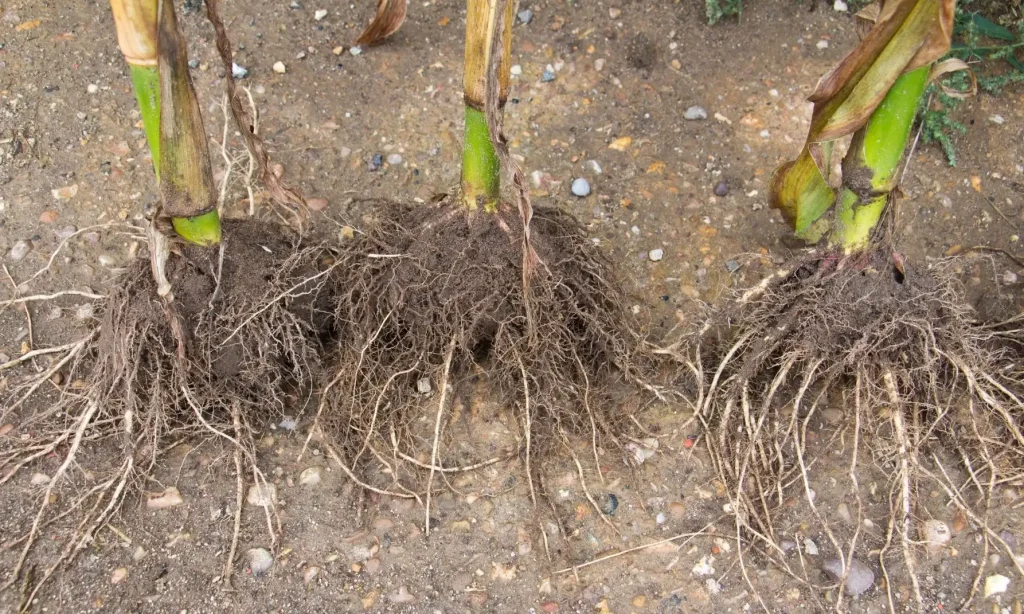
This comprehensive mycorrhizal fungi guide provides extensive information on mycorrhizal fungi applications to improve root development (what are the best types; when/ how do I use; tips for getting the most significant return on investment; use of comparative charts to compare different types of mycorrhizal fungi) for vegetables, flowers, trees and houseplants.
Let’s get your roots some serious upgrades, let us start digging up the dirt!
Proven Benefits of Mycorrhizal Fungi for Root Development and Plant Health
Beyond basic nutrient delivery, mycorrhizal inoculation often leads to:
- Increased root biomass, length, surface area, and branching in many species.
- Better performance in low-fertility or stressed soils (drought, compaction, poor drainage).
- Reduced need for synthetic fertilizers — fungi make existing nutrients more available.
- Improved transplant success and faster establishment.
- Long-term soil health gains as networks build year after year with minimal disturbance.
Real-world results include higher tomato and potato yields, stronger turfgrass, and more resilient landscape plants. Inoculated plants frequently show 20-50%+ biomass increases in challenging conditions, though results vary by soil type, plant species, and application method.
Note: Some plants (like brassicas — broccoli, cabbage — or beets) don’t form strong associations, so focus inoculants on responsive crops.
Best Practices: How to Apply Mycorrhizal Fungi for Optimal Root Development
The golden rule? Get the inoculant in direct contact with living roots or where roots will grow soon. Spores sitting on the soil surface waste away.
Here are the most effective application methods:
1. At Planting or Transplanting (Best Time)
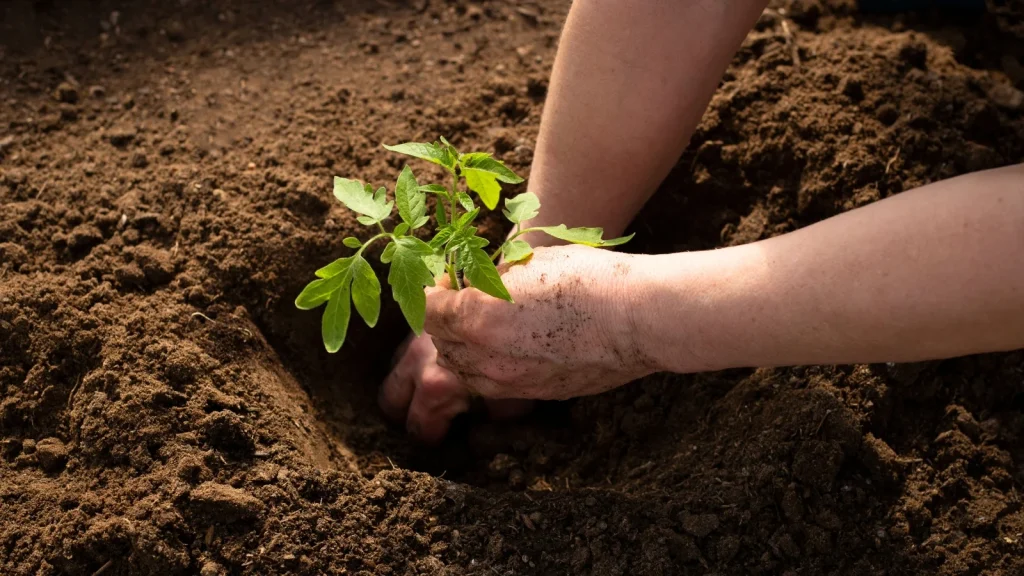
- Dig the hole or furrow.
- Sprinkle granular inoculant (1–2 tablespoons per plant or per row foot) directly in the bottom so roots sit on or mix with it.
- For bare-root plants: Dip roots in a gel or powder slurry before planting.
- Backfill and water thoroughly with non-chlorinated water to activate.
This ensures immediate colonization as roots grow outward.
2. Seed Treatment or Starting Mix
- Mix powder/granules into seed-starting soil (about 1 cup per cubic foot).
- Or coat seeds lightly with a slurry before sowing.
- Great for direct-sown vegetables and flowers.
3. Soil Drench for Established Plants
- Mix soluble inoculant with water (follow product rates — often 1 tsp per gallon).
- Apply as a root-zone drench, especially after aerating lawns or around perennials.
- Best in spring or fall when roots are actively growing.
4. Potting Soil or Repotting

- Blend granules evenly into fresh potting mix before planting houseplants or containers.
5. For Lawns
- Apply during core aeration so spores reach the root zone, then water in well.
Timing tips: Apply when roots are active — spring and fall are ideal. One good application can last years if you minimize tillage and avoid harsh chemicals. Reapply only if soil is heavily disturbed or results seem lacking.
Pro tips for success:
- Use non-chlorinated or dechlorinated water (let tap water sit 24 hours).
- Avoid high-phosphorus synthetic fertilizers at application time — they can suppress colonization.
- Pair with compost and organic practices for synergistic effects.
- Minimize soil disturbance (no-till or low-till) so the fungal network can expand.
- Check product labels for viable spore counts (higher is better — look for 100,000+ propagules per gram or similar).
Comparison Table: Mycorrhizal Fungi Types and Application Methods
| Type / Method | Best For | Key Root Development Benefits | Application Ease | Nutrient Focus | Ideal Timing | Approx. Cost & Longevity |
|---|---|---|---|---|---|---|
| Arbuscular (AMF) | Vegetables, flowers, herbs, lawns, most crops | Increases root branching, surface area, P & water uptake | Easy (granular/powder) | Phosphorus, micronutrients, water | Planting, seeding, transplant | Low–Medium; lasts years |
| Ectomycorrhizal (ECM) | Trees & shrubs (pine, oak, birch) | Sheath protection, N uptake, stress tolerance | Moderate (root dip or mix) | Nitrogen, zinc | Bare-root planting, transplant | Medium; long-term networks |
| Granular Inoculant | New plantings, garden beds | Direct root contact, easy mixing | Very Easy | Broad | At planting | Affordable; 1–2 applications |
| Powder/Soluble Drench | Established plants, lawns | Quick activation in root zone | Easy | Broad | Spring/fall drench | Good for spot treatments |
| Seed/Plug Treatment | Starting veggies & flowers | Early colonization from germination | Easy | Early nutrient boost | Seeding stage | Cost-effective for large areas |
| Root Dip (Gel/Slurry) | Bare-root trees & perennials | Immediate root coating | Moderate | Targeted protection | Planting bare roots | Higher upfront, excellent results |
Choose based on your plants and garden style. Most home gardeners start with a quality AMF granular product for vegetables and flowers.
Final Thoughts: Unlock Explosive Root Development with Mycorrhizal Fungi
One of the best and most sustainable things you can do for healthier plants, stronger roots, and a more resilient garden is to apply mycorrhizal fungi.
Giving your plants this subterranean alliance will improve their nutrient and water efficiency, increase their ability to withstand stress, and promote long-term soil health.
Begin modestly: This season, get a high-quality inoculant, apply it correctly during planting, and observe the difference. For even better results, combine it with mulch, compost, and minimal tillage.
Your garden will appreciate it, as will its hidden fungal network!
Which plants will you inoculate first? Comment below with any questions or experiences you may have. If this guide was helpful, share it with other gardeners who want stronger, larger roots without having to put in more effort.