Introduction to Zone 7 Gardening Challenges
When planning Deer-Resistant Flowering Shrubs of your garden in Zone 7, you’ll encounter a unique blend of climate conditions and environmental factors that can influence your plant choices. Zone 7, which spans parts of the United States including regions in the Pacific Northwest, the Mid-Atlantic, and portions of the Southwest, offers moderate winters and hot summers. However, this temperate climate brings its own set of challenges for gardeners.
One of the primary concerns in Zone 7 gardening is managing plants that can endure the fluctuating temperatures. Although the average minimum temperature generally ranges between 0°F and 10°F, sudden cold snaps can impact plant health. Similarly, summer heatwaves paired with periods of drought can stress even hardy shrubs. You’ll need to select plants that adapt well to these temperature swings.

Deer browsing is another significant issue for many Zone 7 gardeners. Suburban sprawl and the loss of natural habitats have increased deer activity in residential areas. Deer often feed on the tender foliage, buds, and flowers of your shrubs, potentially destroying months of growth in a single night. Choosing deer-resistant plants is essential for minimizing damage to your landscape.
Along with temperature extremes and wildlife interference, soil quality can also vary widely in this zone. Depending on your location, you may encounter heavy clay soil, poor drainage, or nutrient deficiencies that impact plant root health. You’ll want to focus on shrubs suited to a variety of soil conditions or look into amending your soil to support long-term growth.
By understanding these challenges, you can make informed decisions about which flowering shrubs will thrive while keeping your garden resilient and beautiful.
Understanding Deer Behavior and Plant Preferences
Deer behavior is closely tied to their survival instincts, which primarily revolve around finding food, avoiding predators, and adapting to seasonal changes. To effectively manage deer-resistant gardens, you need to understand what drives their preferences. Deer are opportunistic feeders, relying on scents, tastes, and texture to decide whether a plant is suitable for consumption. Typically, they prefer soft, moist, and high-protein foliage found on tender plants, which makes flowering shrubs a common target in many gardens.
You should be aware that deer tend to avoid plants with strong scents, bitter tastes, or rough textures. For example, shrubs with aromatic leaves or prickly foliage are less likely to attract them. Deer also steer clear of toxic plants, though these species might require caution if you have pets or children. Additionally, environmental factors play a role—plants thriving in areas of heavy foot traffic or close to human activity may remain untouched simply due to cautious deer behavior.

Seasonal availability influences deer feeding patterns, which vary depending on scarcity and abundance. During spring and summer, they focus on tender, new growth, while in late fall and winter, food options become more limited, potentially leading them to nibble on less-preferred shrubs. Understanding these habits allows you to anticipate how deer may interact with your garden at different times of the year.
Plant placement in your garden can also influence deer interaction. Shrubs planted closer to your home or within fenced areas are less vulnerable, as deer tend to avoid confined or risky spaces. You can use this knowledge strategically to create layers of protection for more valuable or vulnerable plants in your garden design. Employing deer-resistant flowering shrubs in Zone 7 not only helps preserve your plants but also aligns with deer biology, reducing the appeal of your garden as a food source.
Why Choose Deer-Resistant Shrubs for Your Garden
Dealing with deer in your garden can be frustrating, especially when they repeatedly damage your plants. Choosing deer-resistant shrubs is a practical strategy to maintain your garden’s beauty while minimizing wildlife intervention. Deer are notorious for browsing on tender greenery, and by selecting varieties they find unappealing, you can effectively protect your landscape.
Deer-resistant shrubs allow you to enjoy a lush, thriving garden without constantly worrying about plant loss. These shrubs often have physical or chemical features that deter browsing. For example, many have strong scents, thorny textures, or less palatable foliage. Incorporating them into your garden design ensures that your favorite plants are less likely to become a dining choice for wandering deer.

While deer can adapt and may nibble on nearly anything during extreme food shortages, selecting shrubs renowned for their resistance can significantly lower the chances of damage. These plants are especially valuable if you live near wooded areas or regions with high deer populations. By relying on deer-resistant varieties, you can strike a balance between fostering a vibrant outdoor space and coexisting peacefully with local wildlife.
Choosing shrubs that deer avoid also means fewer repair efforts for your garden layout. You can save time, energy, and money by reducing the need for replacement plants or fencing. These shrubs also remain aesthetically pleasing, as they continue to bloom and flourish without being decimated by hungry deer. Additionally, deer-resistant shrubs can attract pollinators like bees and butterflies, enriching your ecosystem.
Ultimately, making thoughtful plant choices helps you create a durable, low-maintenance garden that works harmoniously with nature.
Characteristics of Deer-Resistant Flowering Shrubs
When selecting deer-resistant flowering shrubs for your Zone 7 garden, it’s vital to understand what makes certain plants less appealing to these foraging animals. Deer are selective eaters and tend to avoid plants with specific characteristics that make them unpalatable or difficult to consume. By identifying these traits, you can make better-informed decisions for your landscape.
Traits That Discourage Deer
Deer-resistant shrubs often share the following characteristics:
- Tough or Leathery Leaves: Shrubs with thick, chewy, or leathery foliage are less appetizing to deer. These textures often make the plant harder for them to eat.
- Strong Fragrance: Many deer-resistant plants produce flowers, leaves, or stems with a pungent or strong aroma. Deer typically avoid shrubs with overpowering fragrances, such as lavender or rosemary.
- Fuzzy or Prickly Textures: Plants that have hairy or thorny surfaces can deter deer. The unpleasant texture can irritate their mouths or make the plants harder to consume.
- Bitter or Toxin-Laden Taste: Some shrubs have natural chemical compounds that taste bitter or are mildly toxic to deer, discouraging them from grazing.

Adaptability and Growth
Deer-resistant flowering shrubs come in a variety of forms that can thrive in Zone 7 conditions. You’ll often find these shrubs:
- Cold Hardy: Able to withstand the occasional freezes that occur in Zone 7 winters.
- Heat Tolerant: Adaptable to the warmer summer temperatures within the zone.
- Low Maintenance: Many varieties are easy to grow and require minimal care, making them excellent choices for home gardens.
By choosing shrubs that combine these deer-deterring traits with Zone 7 adaptability, you can protect your garden from damage while enjoying vibrant blooms throughout the growing season.
Top Tips for Selecting Shrubs Suitable for Zone 7
When choosing shrubs for your Zone 7 garden, you need to focus on a few key considerations to ensure their health, compatibility, and resilience. Selecting plants suited to this specific region will increase your garden’s overall success and minimize the need for excessive care. Here are essential tips to guide your decisions:
1. Understand Zone 7 Climate Conditions
Zone 7 is characterized by moderate winters with temperatures typically ranging from 0°F to 10°F. Summers can be warm and humid, so you need shrubs that can withstand both temperature extremes. Opt for species that are frost-tolerant and able to endure heat.
2. Focus on Native and Adaptive Species
Native shrubs are naturally acclimated to Zone 7 conditions and often require less maintenance. Adapted species can also thrive, especially if selected for their ability to tolerate temperature swings and regional soil types. Prioritize plants that are hardy and well-suited to the local ecosystem.

3. Evaluate Soil Type and Drainage
Zone 7 includes various soil types, ranging from clay to sandy loam. Test your soil pH and nutrient levels before planting. Many shrubs prefer well-drained soils, so consider amendments like compost or organic matter if needed. Avoid species sensitive to waterlogged soil.
4. Choose Deer-Resistant Options
If deer frequently visit your area, select flowering shrubs uniquely resistant to browsing. Deer-resistant varieties, like barberry or spirea, feature textures, scents, or chemical compounds that deter grazing without compromising their beauty.
5. Assess Sunlight Requirements
The amount of sunlight your garden receives is a major determinant. Decide if you need shrubs for full sun, partial shade, or full shade areas. Many Zone 7 shrubs thrive with partial sunlight conditions, but ensure your selections match the environment.
6. Prioritize Low-Maintenance Varieties
Consider shrubs that demand minimal pruning, fertilization, and pest control. Hardy, disease-resistant varieties are ideal, particularly if you prefer low-effort gardening. Check care recommendations to avoid high-maintenance plants.
7. Incorporate Seasonal Interest
Select shrubs that enhance your garden year-round. Flowering species that bloom in spring, summer foliage that adds texture, and colorful autumn leaves can provide seasonal interest. Winter berry-producing shrubs or evergreen varieties can ensure your garden doesn’t feel barren in colder months.
8. Research Mature Size
Pay attention to the mature height and spread of shrubs. Overgrown plants can crowd your landscape and create maintenance issues. Match each shrub’s size to its intended planting space to maintain balance and aesthetics in your garden.

By following these tips, you can ensure that the flowering shrubs you choose will thrive in your Zone 7 garden, offering beauty and resilience for years to come.
Overview of the Top 7 Deer-Resistant Flowering Shrubs
Choosing the right deer-resistant flowering shrubs for your Zone 7 garden can be a rewarding experience when you select plants that add beauty to your landscape while standing up to these persistent foragers. Here’s an overview of seven exceptional shrub options you should consider incorporating into your garden design. Each offers unique features that cater to different aesthetic and functional preferences.
1. Butterfly Bush (Buddleja davidii)
The butterfly bush is known for its large, fragrant flower clusters that attract pollinators like butterflies and bees. You’ll appreciate its drought tolerance and low maintenance, making it an excellent addition to gardens frequently visited by deer.

2. Boxwood (Buxus)
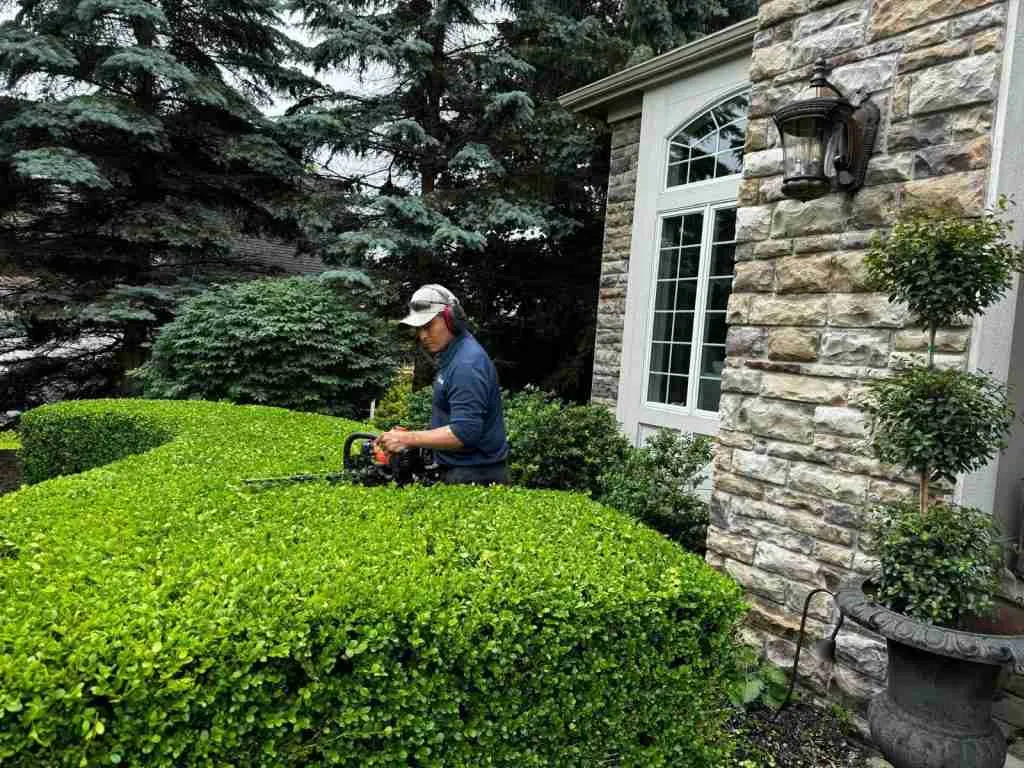
Boxwoods are evergreen shrubs admired for their ability to be sheared into neat shapes, perfect for hedges or topiary. Their dense structure and slightly unpleasant smell to deer create a natural deterrent for browsing.
3. Spirea (Spiraea spp.)
Spirea varieties bring bursts of color to your garden with their vibrant pink, white, and red blooms. Because of their tough leaves and quick regrowth, you won’t see significant damage even if deer nibble on them occasionally.

4. Weigela (Weigela florida)
This deciduous shrub lights up your landscape with trumpet-shaped blooms in hues like pink, red, or white. Its dense branching habit and ability to thrive in different soil types make it both deer-resistant and versatile.

5. Lilac (Syringa spp.)
Lilacs are cherished for their fragrant, long-lasting blooms in the spring. You’ll find deer tend to avoid lilacs because of their hard, woody stems and aromatic foliage.

6. Barberry (Berberis spp.)
The thorny stems of Barberry bushes make these shrubs less inviting to deer while serving as excellent natural barriers. You can choose from a variety of foliage colors including deep burgundy, golden yellow, or green, which offer year-round vibrancy.

7. Ninebark (Physocarpus opulifolius)
Ninebark features exfoliating bark and clusters of small flowers, creating visual interest in every season. You’ll value its resilience to poor soil conditions, heat, and deer browsing.

These shrubs not only resist deer but also enhance your garden’s visual appeal. Select the ones that fit your requirements for sun, soil, and style preferences to create a flourishing, low-maintenance landscape.
Detailed Profiles of Each Shrub and Their Features
1. Butterfly Bush (Buddleja davidii)
You’ll love the Butterfly Bush for its fragrant, spiky blooms that come in colors ranging from purple to pink and white. This deciduous shrub grows up to 10 feet tall and attracts butterflies and pollinators, but deer tend to steer clear. Its drought tolerance makes it perfect for Zone 7 gardens. To thrive, it prefers full sun and well-drained soil. It blooms from summer through fall, ensuring a vibrant display.
2. Boxwood (Buxus spp.)
If you’re looking for evergreen structure, the Boxwood offers dense, deer-resistant foliage. These shrubs are low-maintenance and can be pruned into formal shapes. Boxwoods grow in partial shade or full sun and adapt well to most soil types. With heights ranging from 2 to 12 feet, depending on the variety, they make excellent borders or foundation plants while staying safe from deer nibbling.
3. Spirea (Spiraea spp.)
Spirea is a compact, flowering shrub that bursts into clusters of tiny pink, white, or red blooms each spring. It is both drought-resistant and unappealing to deer. You’ll appreciate its versatility in garden beds and borders. Thriving in full sun, it grows to about 2 to 4 feet tall, with some varieties producing strikingly colorful foliage in the fall.
4. Beautyberry (Callicarpa americana)
The Beautyberry stands out with its striking clusters of vibrant purple berries that persist into winter. This deciduous shrub grows up to 6 feet tall and features arching branches. It tolerates partial to full sun and adapts well to different soil conditions. The berries are a favorite for birds but not for deer, making it an excellent addition to wildlife-friendly gardens.
5. Rose of Sharon (Hibiscus syriacus)
For continuous summer blooms, the Rose of Sharon is ideal. Its large, cup-shaped flowers come in hues of white, pink, and lavender. This hardy shrub grows up to 12 feet tall and resists deer due to its tough foliage. Preferring full sun to partial shade, it thrives in moist, well-drained soil and works wonderfully as a focal point or hedge.

6. Weigela (Weigela florida)
Weigela offers showy, trumpet-like flowers that attract hummingbirds but are avoided by deer. Blooming in late spring with sporadic summer reblooms, you can find varieties with foliage in green, gold, or even burgundy tones. It grows well in full to partial sun, reaching heights of 3 to 6 feet. This low-maintenance shrub is both hardy and colorful.
7. Lilac (Syringa vulgaris)
The classic Lilac fills your garden with fragrant, cone-shaped blooms in shades of purple, pink, and white during late spring. Lilac grows up to 12 feet tall and thrives in full sun and well-drained soil. While its scent draws in pollinators, deer typically avoid it, making it a favorite for Zone 7 gardeners seeking timeless beauty.
Best Practices for Planting and Caring for These Shrubs
To ensure your deer-resistant flowering shrubs thrive in Zone 7, you need to focus on proper planting techniques and ongoing care. Pay attention to soil type, sunlight, water needs, and seasonal maintenance to create a healthy environment for these plants.
Planting Tips
- Choose the right location: Place your shrubs in areas that receive the appropriate amount of sunlight based on their specific needs. Most deer-resistant shrubs prefer full sun to partial shade.
- Prepare the soil: Test your soil pH and drainage. Amend it with compost or organic matter if needed to improve fertility and texture.
- Proper spacing: Ensure adequate space between your shrubs to allow airflow and prevent overcrowding. Check the mature size of the shrub to determine spacing requirements.
- Planting depth: Dig a hole twice as wide as the root ball and slightly deeper. Make sure the shrub’s root crown is level with or slightly above the soil surface when planting.
Ongoing Care
- Watering: During the first year after planting, water your shrubs deeply once or twice a week unless rainfall is sufficient. Once established, most deer-resistant shrubs are drought-tolerant but may benefit from occasional watering during dry periods.
- Mulching: Apply a two to three-inch layer of mulch around the base of your shrubs, keeping it several inches away from the stem. This helps retain soil moisture and control weeds.
- Pruning: Prune your shrubs in late winter or early spring to remove dead, damaged, or crossing branches. Follow specific pruning guidelines for each shrub to encourage healthy growth.
- Fertilization: Feed your shrubs with a balanced, slow-release fertilizer in early spring. Avoid over-fertilizing, which might attract pests or lead to weak, leggy growth.
By adhering to these care tips and providing consistent attention, your shrubs will flourish while resisting deer and maintaining their ornamental appeal year-round.
Companion Plants to Enhance Your Deer-Resistant Garden
When planning your deer-resistant garden, incorporating companion plants can boost its appeal and ecological balance. Companion plants complement your chosen shrubs by providing aesthetic variety, deterring deer further, and benefiting your garden’s overall health and resilience.
Benefits of Companion Plants
Companion plants can enhance your garden’s visual texture with different heights, colors, and textures. Some emit fragrances or contain chemicals that deer dislike, acting as additional deterrents. These plants also attract pollinators, improving flowering shrub blooms, and can help prevent soil erosion or suppress weeds.
Suggested Companion Plants
Consider choosing companion plants specifically suitable for Zone 7 and capable of thriving alongside deer-resistant flowering shrubs. Here are some ideal options:
- Herbs and Aromatics: Fragrant plants like lavender, sage, and rosemary not only deter deer but add bold textures and colors to your garden. Their strong aromas serve as natural repellents while attracting beneficial insects.
- Perennials: Plants such as echinacea, daffodils, and yarrow are long-lasting additions. These flowering perennials stand out for their vibrant colors and ability to reliably withstand deer grazing.
- Grasses: Ornamental grasses like blue fescue or switchgrass complement deer-resistant shrubs by filling gaps with soft movement. Expand your design possibilities with these hardy selections.
- Ground Covers: Low-growing options like creeping thyme or bugleweed provide excellent weed control and serve as beautiful borders or fillers.

Tips for Incorporating Companion Plants
When adding companion plants, ensure they have similar growing conditions to your shrubs. Group plants with similar water, light, and soil requirements to streamline your garden care. Arrange your companion plants thoughtfully, using taller varieties for background accents and smaller ones to create layers around your shrubs.
Companion plants offer layers of protection and beauty to your garden, making it harder for deer to navigate while enhancing the overall design.
Conclusion: Creating a Beautiful and Protected Zone 7 Garden
In Zone 7 gardens, blending visual appeal with practical considerations, like deer resistance, requires thoughtful planning. When you select deer-resistant flowering shrubs, you add vibrant blooms and textures while minimizing the threat of grazing damage. By focusing on species that naturally deter deer, you protect the investment of your time, energy, and resources.
You can create a diverse, layered garden by incorporating shrubs with a variety of heights, colors, and seasonal appeal. Place taller shrubs, like lilacs or viburnums, toward the back of your planting bed for structure, while more compact varieties, such as spireas or Potentilla, can occupy front or middle layers. This arrangement enhances depth and ensures a striking visual display throughout the growing season.

When planning, choose shrubs that thrive in Zone 7’s climate, with its moderate winters and warm growing periods. Focus on species that tolerate local soil conditions and adapt well to periodic environmental challenges such as drought. Remember to match each shrub’s sunlight requirements to the location, as some varieties prefer full sun, while others thrive in partial shade.
To maximize deer resistance, take additional measures to deter browsing. You can use physical barriers like fencing, natural repellents, or companion planting with highly aromatic herbs such as lavender or rosemary. These combined strategies encourage deer to avoid your garden altogether.
Regular maintenance ensures your garden remains both protected and visually appealing. Prune, mulch, and provide adequate irrigation where needed to keep your shrubs healthy and thriving. By diligently caring for your garden, you’ll create a space that is both beautifully resilient and uniquely yours.