Introduction to Family Gardening
Embarking on a family gardening journey can bring you closer to both nature and each other. With just a bit of preparation, you can create a space that not only yields fresh produce but also teaches valuable skills. Gardening encourages teamwork, patience, and responsibility—making it ideal for families of all sizes.
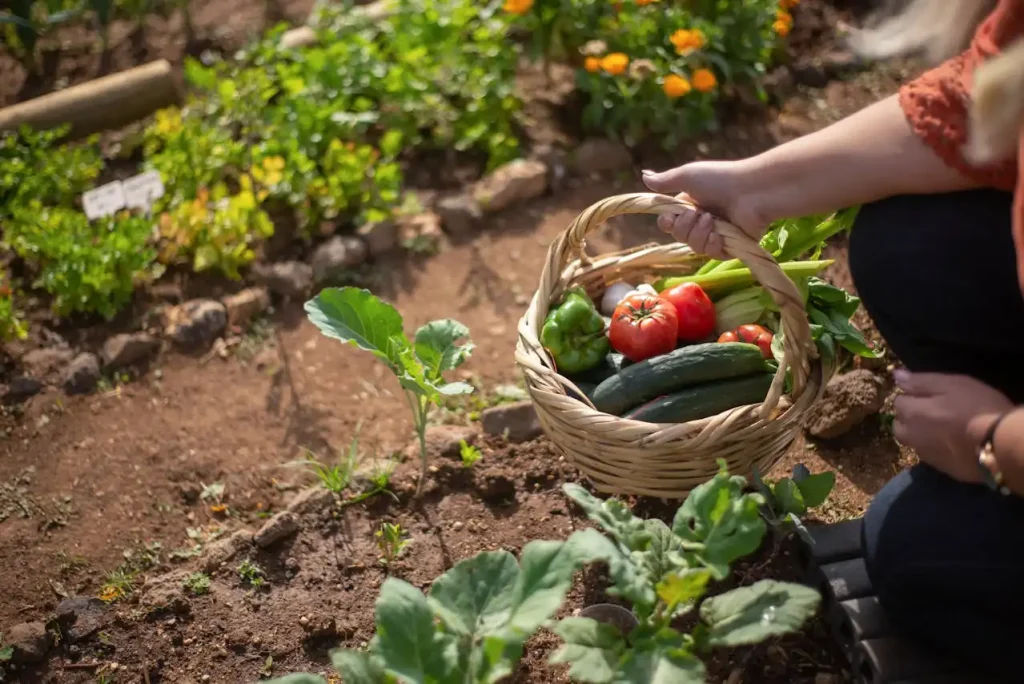
You don’t need a large yard; even a small patch of soil, raised bed, or containers on a balcony can suffice. Beginners can start with vegetables that are easy to grow and maintain. Having everyone involved, from planning to harvesting, ensures the experience is both fun and rewarding. In this we will explore 10 Easiest Vegetables to Grow for Your Family Garden.
Benefits of Growing Your Own Vegetables
Growing your own vegetables offers numerous benefits that extend beyond simple cost savings.
- Healthier Food Options: You control what goes into your soil and plants, ensuring fewer pesticides and chemicals. This means fresher and healthier produce for your family.
- Cost-Effectiveness: Seeds and starter plants are often much cheaper than buying produce from the store, especially if you buy in bulk.
- Environmental Impact: By growing your vegetables, you reduce the need for transportation and packaging, which helps lower your carbon footprint.
- Learning Opportunity: Gardening teaches valuable skills and helps you understand where food comes from.
- Stress Relief: Spending time in the garden is therapeutic and encourages physical activity.
What Makes a Vegetable Easy to Grow?
When choosing vegetables for your garden, factors that make them easier to grow include their ability to thrive in diverse climates, soil types, and conditions. Low-maintenance vegetables require minimal care, such as watering less frequently or having natural pest resistance.

You should also look for fast-growing vegetables that mature quickly, as these are more rewarding for beginners. Hardy vegetables that withstand temperature fluctuations and less-than-ideal soil are ideal. Choose varieties that adapt to your region and require fewer specialized techniques, like trellising or pruning. Vegetables with simple planting and harvesting methods will minimize time and effort while ensuring great results.
Top Selection Criteria for Beginner-Friendly Plants
When deciding which vegetables to grow as a beginner, you should focus on plants that are low maintenance, resilient, and have quick growth cycles. Look for those that thrive in a variety of soil conditions and climates so you won’t have to worry about creating a perfect environment. Plants that require minimal pest control and offer high yields are ideal for your family garden.
Key Factors to Consider:
- Ease of growth: Choose veggies that germinate easily and don’t need much attention.
- Soil adaptability: Opt for vegetables known to tolerate common soil types.
- Low pest vulnerability: Pick varieties less prone to diseases or pests.
- Fast maturity: Favor plants that grow quickly for frequent harvests.
- Space efficiency: Consider compact plants well-suited for smaller gardens.
Tomatoes: A Versatile Garden Favorite

Tomatoes are a staple in home gardens due to their adaptability and broad culinary use. You can choose between determinate varieties, which grow in a compact bush, or indeterminate types that grow like vines. For best results, pick a sunny spot in your garden since tomatoes thrive in full sun and warm temperatures. Ensure the soil is well-drained, fertile, and enriched with compost or organic matter. Regular watering keeps your plants healthy, but avoid soaking the foliage to prevent diseases. Supporting plants with cages or stakes prevents sprawling. From fresh salads to homemade sauces, homegrown tomatoes elevate your meals effortlessly!
Cucumbers: Perfect for Fresh Salads and Pickles
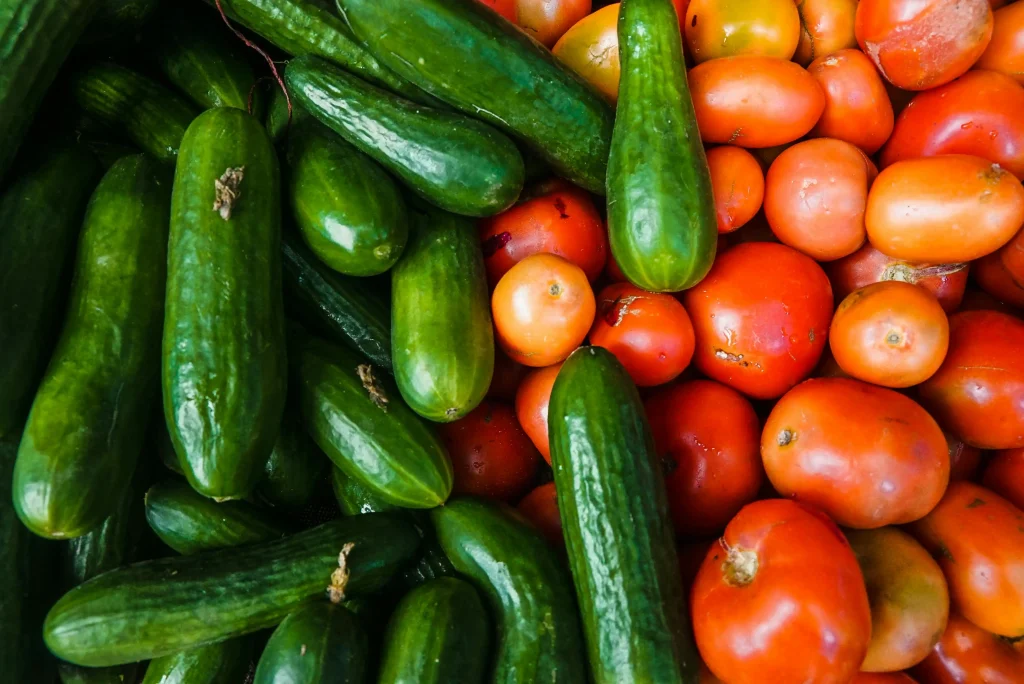
Cucumbers thrive in warm weather and are easy to grow, making them ideal for beginners. You’ll need a sunny spot in your garden and soil that drains well. Space the seeds about 12 inches apart or grow them on a trellis to save space. Regular watering is crucial, especially during dry periods, to maintain their crisp texture.
Choose from two main types: slicing cucumbers, perfect for fresh salads, or pickling varieties for homemade preserves. Harvest them while still firm and bright green to enjoy their best flavor. Their fast-growing nature ensures a continuous supply throughout the season. Happy gardening!
Carrots: A Sweet and Simple Root Crop
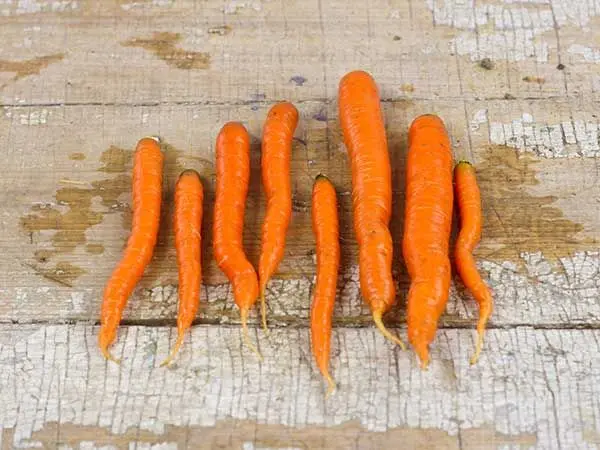
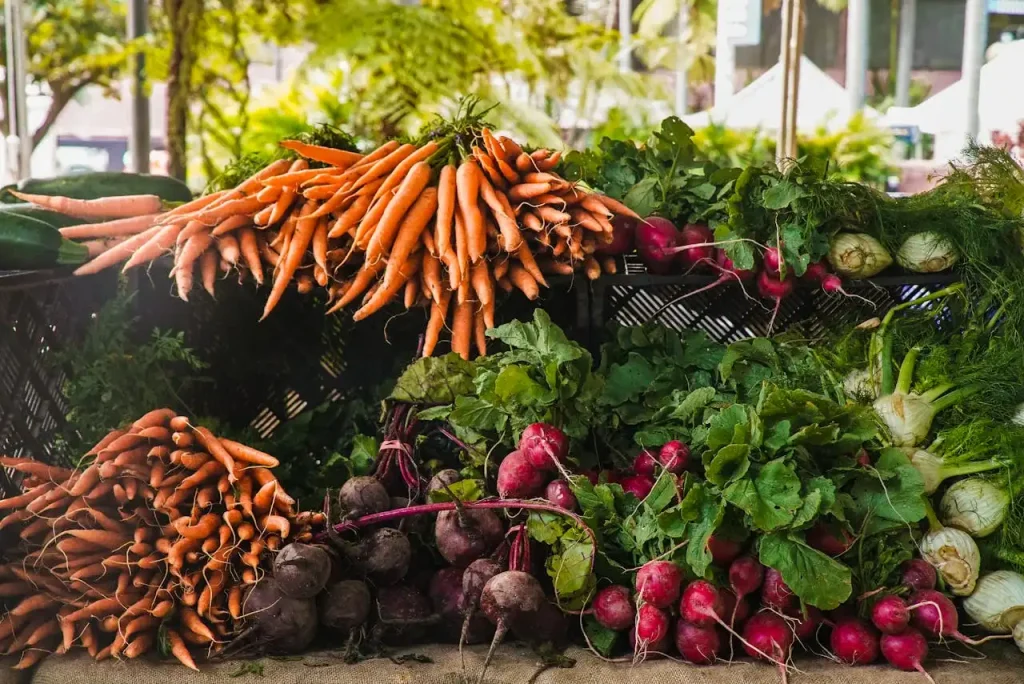
Carrots thrive in loose, well-drained soil and are incredibly easy to grow. You just need to sprinkle the tiny seeds in shallow rows, water regularly, and watch for sprouts in a couple of weeks. Their small size makes them perfect for garden beds or containers.
For the best results, sow the seeds thinly to avoid overcrowding. You can enjoy consistent growth in cool or warm climates, especially during spring and fall. Carrots also have the advantage of being pest-resistant and durable. Plus, they’re versatile in cooking and loved by kids for their natural sweetness.
Lettuce: Quick-Growing Greens for Fresh Meals
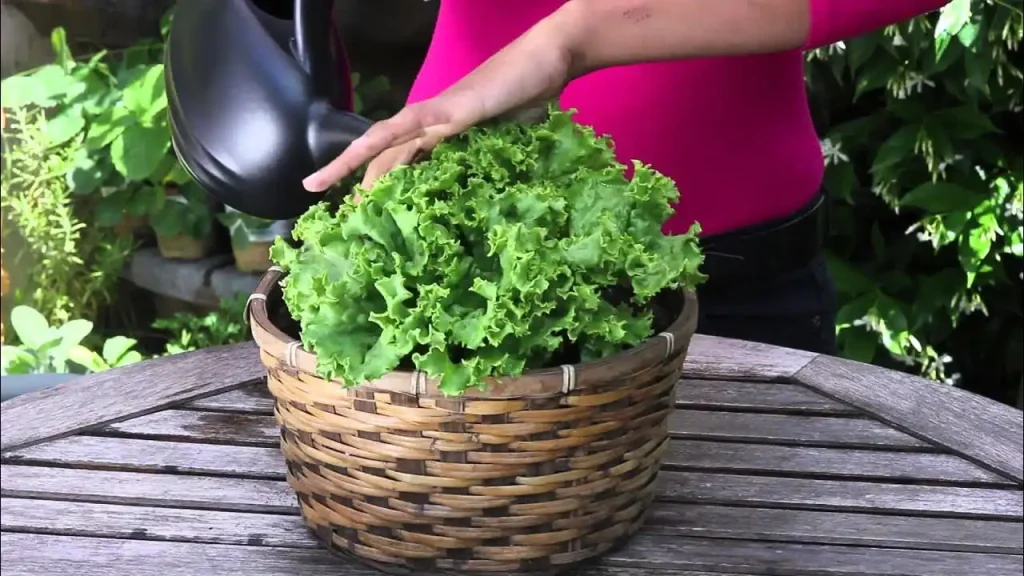
Lettuce is one of the easiest and fastest vegetables to grow, making it perfect for your family garden. You can choose from varieties like butterhead, romaine, or loose-leaf, depending on your taste preferences. Plant seeds directly in well-draining soil and keep the area moist but not waterlogged. Lettuce thrives in cooler weather, so start planting in early spring or late summer for optimal growth. Harvest outer leaves when immature for a consistent supply or pull the whole plant at maturity. Use mulch to retain moisture and keep weeds at bay for healthier crops.
Zucchini: Abundant and Easy to Harvest

Zucchini is one of the easiest vegetables to grow, making it ideal for beginner gardeners like you. It thrives in warm climates and requires minimal effort to maintain. To get started, plant zucchini seeds directly into the soil after the last frost, in a spot where they’ll receive full sunlight. Ensure proper spacing, around 2-3 feet apart, as these plants tend to sprawl.
You’ll need to water zucchini consistently, keeping the soil moist but avoiding overwatering to prevent root rot. Expect rapid growth. Once the fruit appears, you can harvest zucchinis when they reach 6-8 inches long, though they remain edible even at larger sizes.
Radishes: Fast-Growing Gems for Instant Gratification
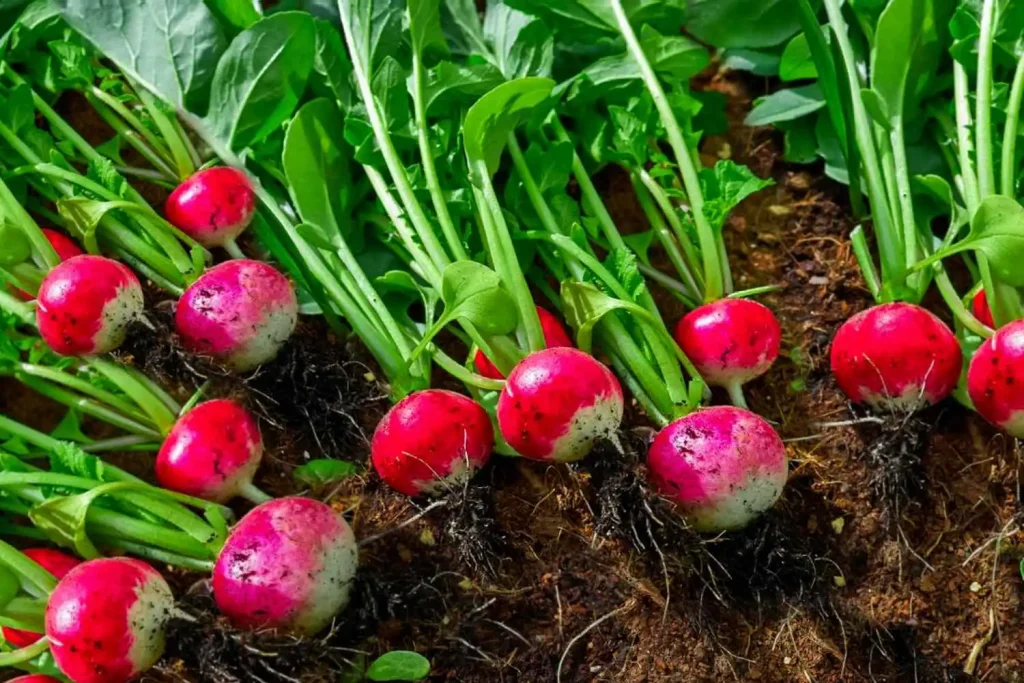
Radishes are ideal for new gardeners, as they grow quickly and require minimal effort. These crisp, peppery vegetables thrive in cool weather, making spring and fall perfect planting times. You can sow seeds directly into loose, well-drained soil. Within 20 to 30 days, you’ll have vibrant roots ready to harvest. Radishes prefer full sun but tolerate partial shade, making them adaptable to different garden spaces. Regular watering helps create tender, flavorful radishes, so don’t let the soil dry out completely. Additionally, their quick turn-around makes them perfect for smaller gardens or raised beds, ensuring fresh produce in record time.
Spinach: Nutrient-Packed and Low Maintenance
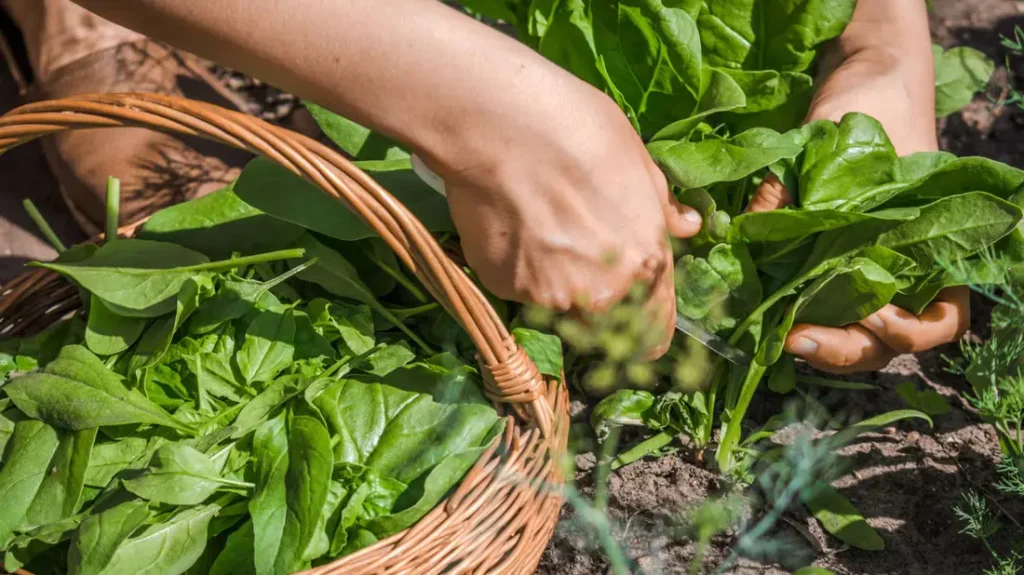
Spinach is a fantastic choice for your family garden due to its nutritional benefits and adaptable growing requirements. You can directly sow its seeds in well-drained soil, whether in raised beds, containers, or traditional garden plots. Spinach thrives in cool weather, making it ideal for spring or fall planting. It grows quickly, allowing you to harvest tender leaves within 4 to 6 weeks. To ensure a bountiful yield, keep the soil consistently moist and shaded during hotter months. Regular harvesting of outer leaves encourages continuous growth. With its ability to grow in compact spaces, spinach is a great option for gardeners of all experience levels.
Green Beans: A High-Yield Climbers Delight
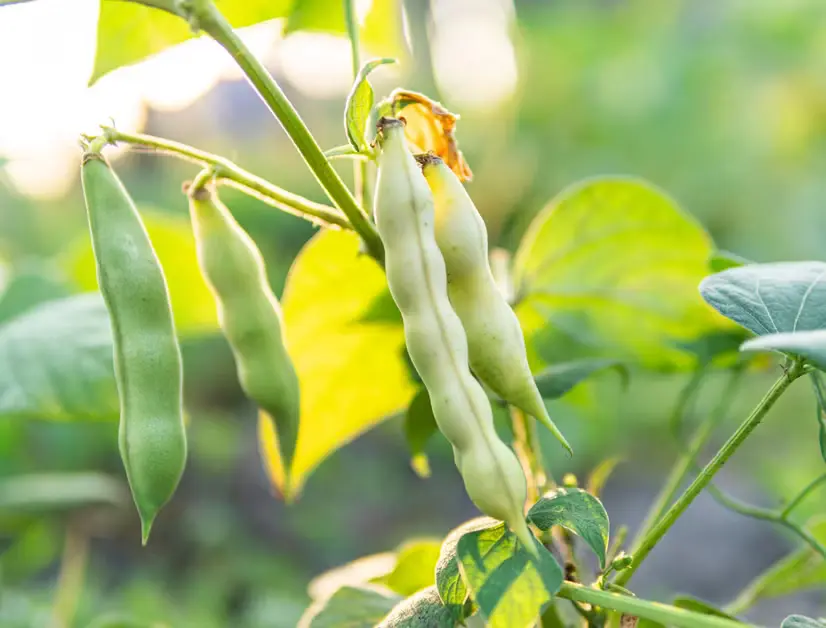
Green beans are one of the easiest vegetables to grow, offering high yields with minimal effort. You can choose between bush beans and pole beans, depending on the space and structure available in your garden. For maximum production, pole beans thrive on trellises, poles, or stakes, making them excellent options for vertical gardening.
You’ll need well-drained soil and a sunny spot; plant your seeds directly outdoors after the last frost. Water consistently but avoid over-watering to prevent root rot. These rapid growers are harvest-ready in about 50-60 days, rewarding you with crisp, fresh pods. Pick them regularly to encourage more growth.
Bell Peppers: The Colorful Garden Addition
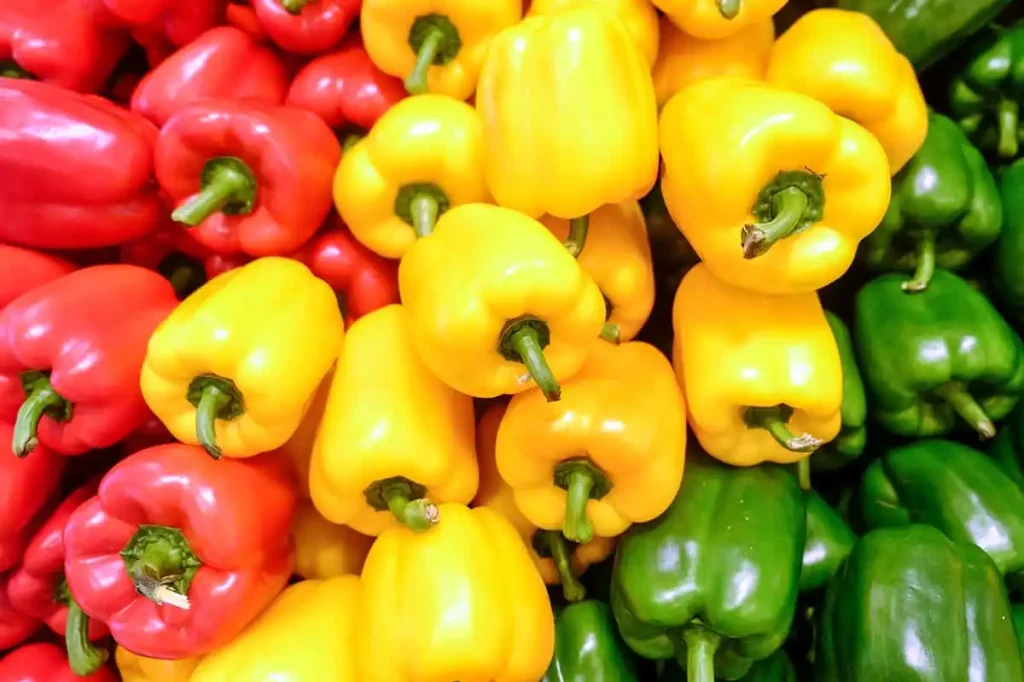
Bell peppers are a vibrant, easy-to-grow vegetable that adds a splash of color to your garden. You can choose from a variety of hues, including green, red, yellow, and orange, each offering a mild, sweet flavor. To grow bell peppers:
- Planting: Start seeds indoors about eight weeks before the last frost date, or directly plant them outdoors once the soil warms to at least 70°F.
- Sunlight: Ensure your peppers receive 6-8 hours of full sun daily.
- Watering: Regular watering is essential, but avoid soaking the soil to prevent root rot.
- Harvesting: Pick them once they reach your desired color and firmness.
Bell peppers thrive in well-draining soil enhanced with organic matter, making them a perfect garden staple.
Potatoes: Thriving Underground Staples

Potatoes are a versatile and hardy vegetable, making them an excellent choice for beginner gardeners like you. They thrive in various soil types and can handle cooler climates, so planting them gives you flexibility. To start, select seed potatoes, which are small potato pieces with eyes or buds, and plant them in loose, well-drained soil. Ensure the spot gets ample sunlight each day.
You’ll see green shoots emerge above ground while the actual potatoes develop underground. Water consistently but don’t overdo it as they prefer moist, not soggy, conditions. Harvest when plants yellow and die back, revealing your yield beneath the surface.
Tips for Successfully Growing Vegetables Year-Round
To grow vegetables throughout the year, you need to create the right environment.
- Choose resilient varieties: Opt for cold-hardy or heat-tolerant vegetables, depending on the season, like spinach for winter or peppers for summer.
- Use season extenders: Floating row covers, cold frames, and cloches can protect plants from frost or heat.
- Rotate your crops: Regular crop rotation prevents soil depletion and reduces pests.
- Utilize containers or greenhouses: These offer more control over temperature and soil quality.
- Improve soil health: Incorporate organic matter frequently for nutrients and drainage.
- Water consistently: Use drip irrigation or mulch to maintain consistent moisture.
- Monitor pests and diseases: Keep plants healthy with regular inspections.
Conclusion and Inspiration for Your Family Garden Journey
Embarking on a family garden journey is an opportunity to nurture not only plants but also bonds with loved ones. By introducing easy-to-grow vegetables into your garden, you create a space that encourages curiosity, patience, and teamwork. Each small success, whether it’s the sprout of a carrot or the first harvest of leafy greens, sparks a sense of accomplishment for everyone involved.
As you dig, sow, and cultivate, you also instill values of sustainability and healthy eating in your family. Gardening is a hands-on way to connect with nature while reaping tangible rewards. Let this be the beginning of an enriching experience for all.