Caring for a fiddle leaf fig can be very rewarding. It adds elegance and freshness to your home. These plants are known for their striking looks and easy care. But, to keep your fiddle leaf fig happy, you need to know what it needs.
It’s important to give it the right conditions. This includes the right light, water, and food. With proper care, your plant will grow well. It will become a beautiful centerpiece in any room. Learning the basics of fiddle leaf fig care is the first step to enjoying these plants.

Key Takeaways
- Understand the lighting requirements for your fiddle leaf fig.
- Learn the proper watering techniques to prevent overwatering.
- Fertilize your plant during the growing season for optimal health.
- Prune your fiddle leaf fig to maintain its desired shape and size.
- Monitor your plant’s health and adjust its care accordingly.
Understanding Fiddle Leaf Fig Basics
Before we dive into care tips, let’s learn about fiddle leaf fig plants. They have special traits that make them stand out from other houseplants.
Origin and Natural Habitat
Fiddle leaf figs, or Ficus lyrata, come from West Africa’s tropical rainforests. They love humid places with bright, indirect light. In the wild, they can reach 40 feet tall. Knowing where they come from helps us create their ideal home environment.
Growth Patterns and Characteristics
These plants have big, violin-shaped leaves that can be up to 18 inches long. They grow taller than wide, but with the right care, they can look fuller. Proper care can encourage a fuller shape. They are quite particular about their environment.
| Characteristic | Description |
|---|---|
| Leaf Shape | Violin-shaped, up to 18 inches long |
| Growth Habit | Taller rather than wider, can be trained |
| Native Habitat | Tropical rainforests of West Africa |

Why They’re Popular Houseplants
Fiddle leaf figs are loved for their striking looks and elegance. Interior designers call them the darlings of the design world. Their unique leaves and tall growth make them a standout in home decor.
Learning about these basics helps you care for your fiddle leaf fig. This ensures it stays healthy and flourishes in your home.
Essential Fiddle Leaf Fig Care Guidelines
To keep your fiddle leaf fig healthy, you need to know what it needs. This includes the right light, water, and temperature. By following these tips, your plant will grow well and look great in your home.
Light Requirements and Placement
Light is very important for your fiddle leaf fig. Knowing the best light and making changes with the seasons helps a lot.
Ideal Light Conditions
Fiddle leaf figs like bright, indirect light. Direct sun can burn the leaves. So, put your plant near a window that faces east or west. If you use curtains, make sure they let in enough light.

Seasonal Light Adjustments
Light changes with the seasons. In winter, when it’s darker, move your plant to a brighter spot or use grow lights. In summer, protect it from too much sun.
Watering Schedule and Techniques
Watering is key for your fiddle leaf fig. Too much water can rot the roots, while too little can cause leaves to drop. It’s important to check the soil and use the right methods.
How to Check Soil Moisture
To see if the soil is dry, stick your finger in it up to the first knuckle. If it’s dry, it’s time to water. You can also use a moisture meter for a precise reading.
Watering Methods to Prevent Root Rot
Water your fiddle leaf fig well, letting any extra water drain. Don’t get water on the leaves to avoid diseases. Use water that’s not too cold, as it can shock the roots.

Temperature and Humidity Needs
Fiddle leaf figs need the right temperature and humidity. Keeping the environment just right will help your plant do well.
Optimal Temperature Range
The best temperature for fiddle leaf figs is 65°F to 75°F (18°C to 24°C). Keep it away from drafts, air conditioning vents, and heaters.
Humidity Enhancement Methods
Fiddle leaf figs like it humid, above 50%. You can make the air more humid by using a humidifier, placing the pot on a water tray, or misting the leaves often.
| Care Aspect | Ideal Condition | Tips |
|---|---|---|
| Light | Bright, indirect light | Use sheer curtains; avoid direct sunlight |
| Watering | Soil moisture: dry to the first knuckle | Water thoroughly; avoid overwatering |
| Temperature | 65°F to 75°F (18°C to 24°C) | Avoid drafts and extreme temperatures |
| Humidity | Above 50% | Use a humidifier or mist leaves regularly |
By following these care guidelines, you’ll become a pro at taking care of fiddle leaf figs. Enjoy the beauty of this plant in your home.
Soil, Fertilization, and Repotting Techniques
To keep your fiddle leaf fig thriving, it’s essential to understand its soil, fertilization, and repotting needs. A well-cared-for fiddle leaf fig not only enhances the aesthetic of your space but also purifies the air and contributes to a healthier environment.
Selecting the Right Soil Mix
Choosing the right soil mix is crucial for your fiddle leaf fig’s health. A mix that drains well is essential to prevent root rot. You can opt for a general houseplant potting mix or create a custom mix using peat moss, perlite, and vermiculite. Ensure the mix retains moisture but drains excess water efficiently.

Fertilization Schedule and Types
Fertilizing your fiddle leaf fig is vital for its growth and vitality. Use a balanced, water-soluble fertilizer during the growing season (spring and summer). Dilute the fertilizer to half the recommended strength to avoid burning the roots.
When to Fertilize
Fertilization should be done during the active growing periods, typically from March to September. Avoid fertilizing during the dormant winter months as this can cause unnecessary stress to the plant.
Best Fertilizers for Fiddle Leaf Figs
For fiddle leaf figs, a balanced fertilizer with an N-P-K ratio of 20-20-20 is ideal. You can also consider organic options like compost tea or fish emulsion for a more natural approach.
Step-by-Step Repotting Guide
Repotting is a critical care aspect for fiddle leaf figs, especially when they outgrow their containers. Choose a pot that is only slightly larger than the current one to prevent the soil from becoming too wet.
Signs Your Plant Needs Repotting
Signs that your fiddle leaf fig needs repotting include roots growing out of the drainage holes, the plant drying out too quickly, or visible roots on the surface.

Repotting Process
To repot, gently remove the plant from its pot, taking care not to damage the roots. Trim any dead or rotting roots before placing the plant in its new pot. Fill with fresh, well-draining soil, and water thoroughly.
By following these guidelines on soil, fertilization, and repotting, you’ll be well on your way to providing your fiddle leaf fig with the care it needs to thrive. Regular attention to these aspects will ensure your plant remains healthy and continues to be a beautiful addition to your home.
Mastering Fiddle Leaf Fig Care for Beginners
Starting with a fiddle leaf fig means learning a few key steps. These steps will help your plant grow well and look great.
Pruning for Shape and Health
Pruning is key for your fiddle leaf fig’s health and shape. It means cutting off dead leaves and shaping the plant for new growth.

When to Prune
Prune your fiddle leaf fig in the spring and early summer. Avoid pruning in the fall and winter when it’s dormant.
Pruning Techniques
Use sharp tools to cut just above a node. This helps new growth and keeps the plant’s shape. Remove dead leaves to stop disease.
Propagation Methods
Propagation is a good way to share plants or grow your indoor garden. You can use leaf and stem cuttings or air layering for fiddle leaf figs.
Leaf and Stem Cuttings
For cuttings, take a healthy section of leaf or stem. Cut just below a node and plant in moist soil. Keep it warm and humid until roots grow.

Air Layering Technique
Air layering makes a small cut in the stem, then wraps it in moist moss. Roots will grow in a few weeks. Then, cut below the roots and plant it.
Rotating and Cleaning Leaves
Rotating your fiddle leaf fig ensures even growth and prevents leaning. Cleaning leaves boosts photosynthesis by removing dust.
Importance of Rotation
Rotate your plant every 1-2 weeks for even growth. This simple step greatly improves your plant’s look.
Dust Removal Methods
To clean leaves, gently wipe with a damp cloth. For deeper cleaning, use a soft-bristled brush to remove dust.
Troubleshooting Common Fiddle Leaf Fig Problems
Fixing problems is key to keeping your fiddle leaf fig healthy. These plants can be tricky, but knowing common issues helps a lot.
Diagnosing Leaf Issues
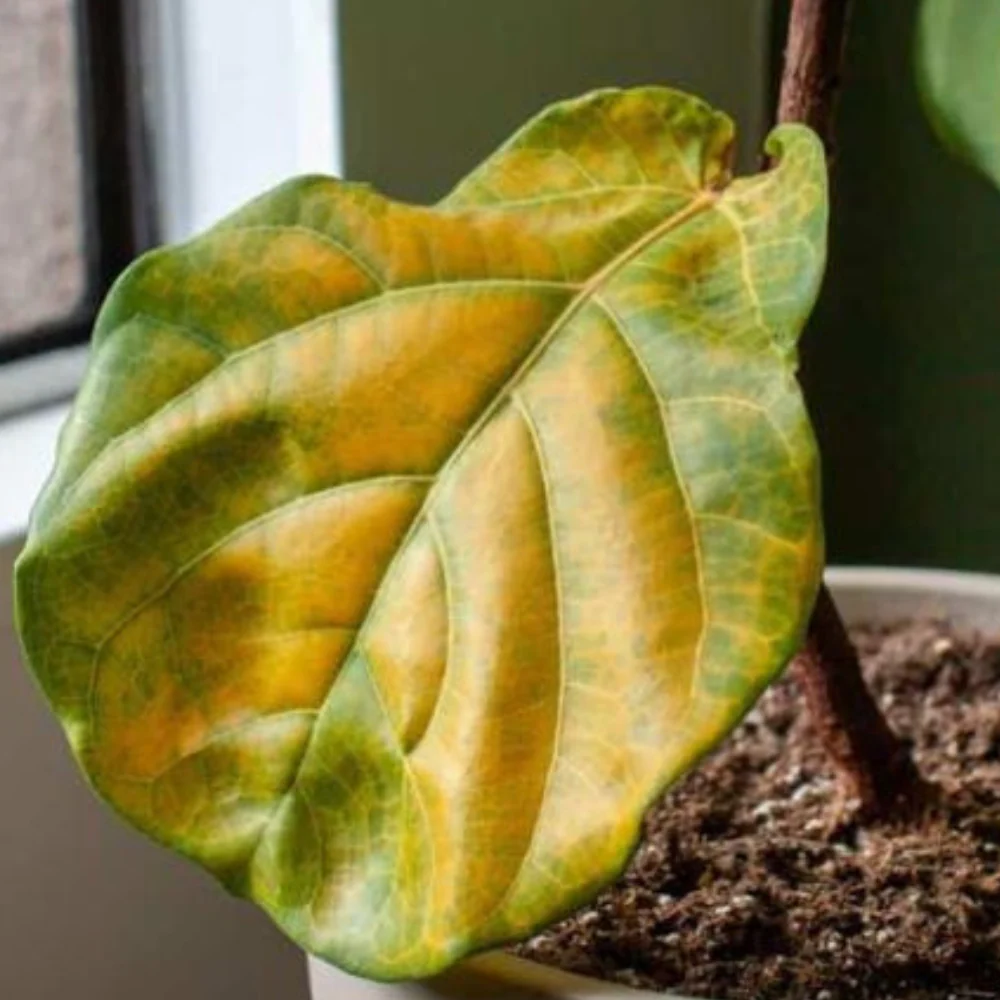
Leaf problems are common for fiddle leaf fig owners. Seeing brown spots, yellow leaves, or leaves falling off can be scary. But, most of these problems have simple fixes.
Brown Spots and Yellowing
Brown spots or yellow leaves often mean you’re watering too much or too little. Check your watering schedule and make changes if needed. Make sure your pot has holes to let water drain.
Leaf Drop Causes
Leaf drop can happen for many reasons. It might be because of sudden temperature changes, not enough light, or stress from moving the plant. Look at your plant’s environment and care to find out why.
Pest Identification and Treatment
Pests can harm fiddle leaf figs too. Always check your plant for pests.
Common Pests
- Spider mites
- Mealybugs
- Scale
Natural and Chemical Treatments
For small pest problems, try wiping leaves with a damp cloth or use insecticidal soap. For bigger issues, you might need to use chemical pesticides.

Reviving a Struggling Plant
If your fiddle leaf fig is struggling, there’s hope. With the right care, many plants can get better.
Recovery Steps
- Check and adjust your watering schedule.
- Trim off any damaged or dying leaves to help your plant recover.
- Make sure it gets the right amount of light and temperature.
When to Start Over
But sometimes, a fiddle leaf fig can’t be saved. If your plant is really damaged or sick, it might be time to get a new one.
Conclusion
Caring for a fiddle leaf fig plant needs focus and a promise to give it the best. By following the tips in this article, you can make a great home for your plant.

Knowing how much light, water, and temperature your plant needs is key. The right soil, food, and when to repot help it grow strong. This way, you’ll get to see your plant’s beauty.
As you take care of your fiddle leaf fig, you’ll find joy in it. With time and effort, you’ll have a green, lively plant. It will make your space happier and calmer.
With the knowledge from this guide, you’re ready to be a great fiddle leaf fig caretaker. Start today and watch your plant grow and flourish.