Climate change has reshaped gardening in ways most people never expected. Unpredictable rainfall, sudden cold snaps, intense heatwaves, and shifting seasonal patterns make it harder than ever to maintain healthy gardens. Yet, gardeners around the world have adapted, thanks to strategies that help them grow resilient plants in fluctuating climates.
If you’re struggling with climate stress on your plants, this guide will help you build a garden that survives and thrives no matter the weather.

1. Choose & Grow Resilient Plants Varieties
Some plants naturally handle stress better than others. Look for varieties labeled:
- Drought-tolerant
- Heat-resistant
- Cold-hardy
- Wind-resistant
- Low-maintenance
- Native species (best adapted to local climate swings)
Best Resilient Plants for Changing Weather
- Lavender – handles heat, drought, and poor soil
- Rosemary – thrives despite temperature swings
- Marigold – heat-tolerant and resilient
- Kale & Swiss Chard – survive cold spells
- Sedum (Stonecrop) – excellent drought resistance
- Coneflower (Echinacea) – wind- and heat-proof
- Moringa – thrives even in extreme heat

Native species in your region should always be your first choice, they’ve adapted over centuries to local climate patterns.
2. Build Strong Soil for Climate Resilience
Healthy soil helps balance out extreme weather by retaining moisture, storing nutrients, and protecting roots.
How to Improve Soil
- Add organic compost weekly or monthly
- Use mulch to reduce evaporation and regulate soil temperature
- Add biochar to increase water retention
- Incorporate worm castings for nutrients
- Avoid chemical fertilizers that weaken long-term soil structure
Why Mulch Is a Climate Protector
Mulch acts like a natural shield that:
- Keeps soil cool during heatwaves
- Prevents water loss
- Protects roots from frost
- Reduces erosion from heavy rain
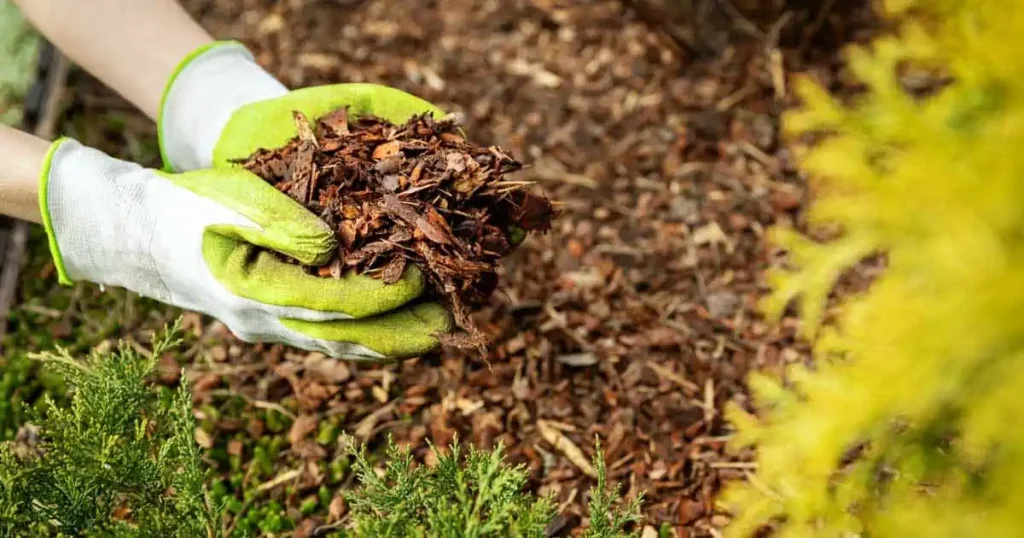
Spread 2–3 inches of organic mulch (wood chips, shredded leaves, or straw) around your plants.
3. Master Smart Watering Strategies
Watering incorrectly is the leading cause of plant stress in fluctuating climates.
Best Watering Practices
- Water early morning to reduce evaporation
- Use deep watering once or twice a week instead of daily sprinkles
- Install drip irrigation for consistent moisture
- Use rain barrels to collect unpredictable rainfall
- Add moisture-retaining soil amendments like coco coir
Tip:
Stick your finger two inches into the soil. If it’s dry, it’s time to water.
4. Protect Plants From Sudden Temperature Fluctuation
Fluctuating climates often bring random cold nights or scorching afternoons.

For Sudden Frost
- Use frost cloths or old bedsheets
- Cover with plastic tunnels or mini greenhouses
- Add extra mulch around root bases
For Heatwaves
- Provide partial shade using:
- Shade cloth
- Large plant umbrellas
- Taller companion plants
- Water deeply the night before expected heat
For Windstorms
- Stake young plants
- Use windbreaks (fences, hedges, bamboo screens)
- Grow wind-resistant plants like rosemary, agave, or coneflower
5. Create Microclimates in Your Garden
Microclimates let you control temperature, wind, and moisture for specific plants.

Examples of Microclimates
- South-facing walls trap heat—great for warm-weather plants
- Under large trees = cooler shade & humidity
- Raised beds warm earlier in spring
- Near water features = higher humidity
How to Build a Microclimate
- Add stones or bricks to absorb and release heat
- Plant shrubs to block wind
- Position pots strategically based on sun exposure
This helps plants stay stable even when the overall climate is unstable.
6. Use Companion Planting for Natural Strength
Strong plant communities survive stress better than isolated plants.
Best Companion Combinations

- Basil + Tomatoes → improves resilience & pest resistance
- Marigold + Vegetables → repels pests, reduces heat stress
- Lavender + Roses → increases resistance to fungal infections
- Beans + Corn + Squash (Three Sisters) → natural support & soil improvement
Companion planting creates a balanced ecosystem to help plants survive fluctuations.
Troubleshooting Guide: Common Problems in Fluctuating Climates
Below is a helpful table to diagnose and fix common plant issues caused by unstable weather:
| Problem | Cause | Signs | Fix |
|---|---|---|---|
| Wilting during heatwaves | Excess evaporation | Droopy leaves, dry soil | Deep watering, mulch, shade cloth |
| Yellow leaves after cold nights | Sudden frost stress | Leaves turning pale or yellow | Use frost cloth, bring pots indoors |
| Root rot from heavy rain | Waterlogged soil | Mushy stems, foul smell | Improve drainage, add sand/perlite |
| Leaf burn in strong sun | UV and heat stress | Brown edges, crispy leaves | Provide partial shade, water deeply |
| Stunted growth | Nutrient deficiency due to temperature swings | Slow development | Add compost, worm castings |
| Dropping flowers or fruits | Heat shock or sudden cold | Buds falling off | Stabilize watering, use shade/frost covers |
| Soil dehydration | Hot winds & high evaporation | Soil dries within hours | Add thick mulch, use drip irrigation |
| Pest outbreaks | Climate stress weakens immunity | Aphids, mites, whiteflies | Use neem oil, companion planting |

Conclusion
Fluctuating climates don’t have to ruin your gardening efforts. By choosing resilient plants, improving soil, mastering watering techniques, building microclimates, and protecting plants from sudden temperature changes, you can create a garden that not only survives but thrives.
The key is consistency. The more you understand your environment and adapt your gardening habits, the easier it becomes to grow resilient plants in fluctuating climates year-round.