Planting seedlings correctly is one of the most important steps in gardening success. Even healthy, strong seedlings can struggle or die if their roots are damaged during transplanting. Roots are delicate, and improper handling can cause transplant shock, stunted growth, or complete plant failure.
In this detailed guide, you’ll learn how to plant seedlings without damaging roots, whether you’re growing vegetables, flowers, herbs, or indoor plants. From preparation and timing to planting techniques and aftercare, this guide covers everything beginners and experienced gardeners need to know.
Why Root Protection Matters When Planting Seedlings
Seedling roots are responsible for:
- Absorbing water and nutrients
- Anchoring the plant in soil
- Supporting healthy leaf and stem growth
When roots are torn, crushed, or exposed to air for too long, plants experience transplant shock. Symptoms include wilting, yellowing leaves, slow growth, or even plant death. Proper planting techniques ensure seedlings adapt quickly to their new environment.
Preparing Seedlings Before Transplanting
1. Harden Off Seedlings
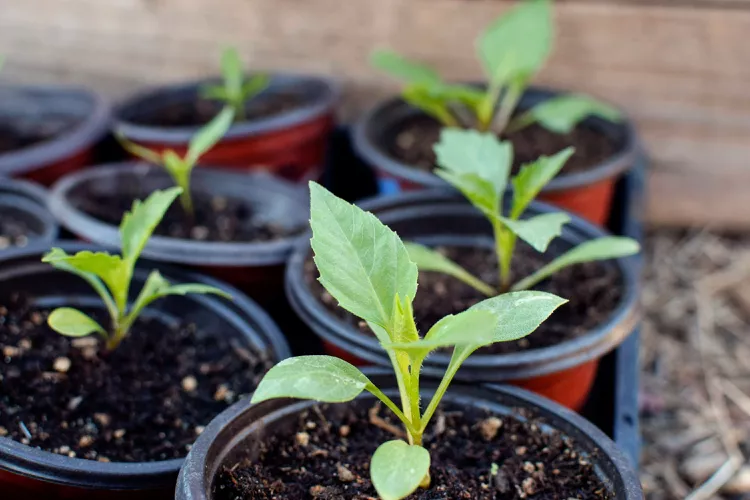
Before moving seedlings outdoors, gradually expose them to outdoor conditions for 7–10 days. This helps strengthen roots and stems.
Start with:
- 1–2 hours of outdoor exposure
- Gradually increase sunlight and time daily
2. Water Seedlings Well
Always water seedlings thoroughly 1–2 hours before transplanting. Moist soil holds roots together, making removal easier and reducing breakage.
3. Check Root Health
Healthy roots should be:
- White or light-colored
- Firm, not mushy
- Spread evenly through the soil
Avoid planting seedlings with severely tangled or rotting roots without correction.

Step-by-Step: How to Plant Seedlings Without Damaging Roots
Step 1: Dig the Right Hole
- Hole should be slightly wider and deeper than the root ball
- Avoid tight holes that compress roots
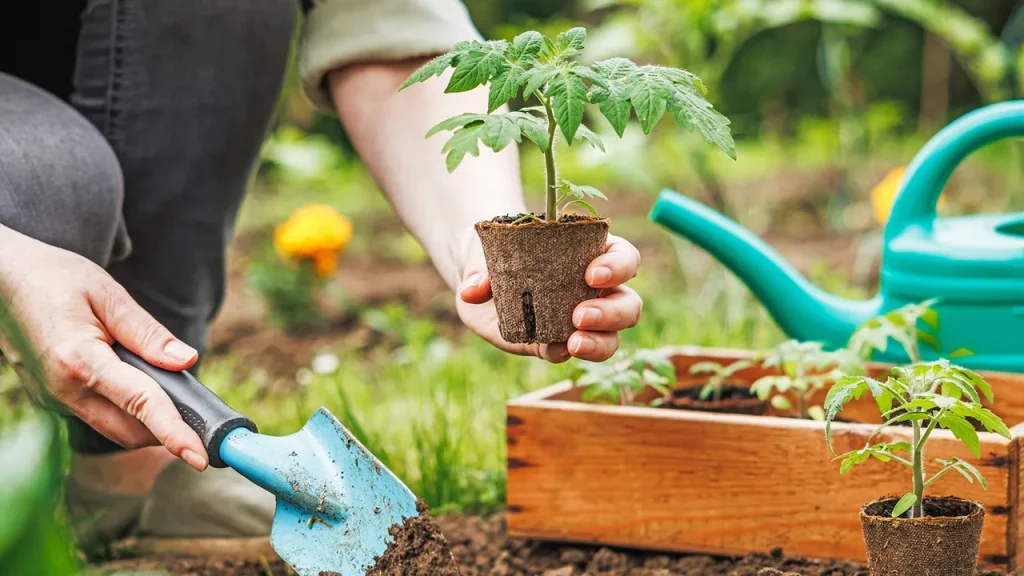
Step 2: Handle Roots Gently
- Keep the root ball intact
- If roots are circling, gently loosen them with fingers
- Do not tear or aggressively separate roots
Step 3: Place the Seedling Correctly
- Position seedling at the same depth it was growing before
- Avoid planting too deep or too shallow

Step 4: Fill Soil Carefully
- Backfill with loose soil
- Press gently to remove air pockets
- Do not compact soil heavily around roots
Step 5: Water Immediately
- Water deeply after planting
- This helps soil settle and improves root-to-soil contact
Special Tips for Different Types of Seedlings
Vegetable Seedlings
- Tomatoes can be planted deeper to encourage extra roots
- Avoid damaging taproots of carrots or beans

Flower Seedlings
- Handle flowering plants gently to prevent bud drop
- Ensure proper spacing for airflow
Herb Seedlings
- Herbs prefer well-draining soil
- Avoid overwatering after transplanting
Tree and Shrub Seedlings
- Avoid bending or crowding roots
- Spread roots evenly in the hole
Preventing Transplant Shock
Even with careful planting, seedlings may experience mild stress.

Ways to Reduce Shock
- Water consistently for the first week
- Provide temporary shade if sun is intense
- Mulch lightly to retain moisture
- Avoid fertilizing immediately after transplanting
Give plants time to adjust before expecting new growth.
Troubleshooting Table: Seedling Root Problems and Solutions
| Problem | Likely Cause | Solution |
|---|---|---|
| Seedling wilting after planting | Root damage or transplant shock | Water deeply, provide shade, avoid fertilizer |
| Yellowing leaves | Damaged roots or poor drainage | Improve soil drainage, reduce watering |
| Slow or no growth | Compacted soil or root stress | Loosen soil around plant, add compost |
| Roots growing in circles | Root-bound seedlings | Gently loosen roots before planting |
| Seedling dying quickly | Severe root injury | Replant carefully or start with new seedling |
| Leaves drooping in heat | Roots unable to absorb water | Mulch soil and water in early morning |

Final Thoughts
Learning how to plant seedlings without damaging roots is a foundational gardening skill that directly impacts plant health and yield. By preparing seedlings properly, handling roots gently, using well-prepared soil, and providing good aftercare, you can dramatically reduce transplant shock and ensure strong, thriving plants.
Whether you’re growing vegetables, flowers, or herbs, careful root protection during planting will reward you with faster growth, healthier plants, and better harvests.