Healthy plants start from healthy roots and when it comes to boosting root systems naturally, nothing works quite like mycorrhizae. These beneficial soil fungi have existed for millions of years and form a mutually beneficial relationship with plant roots. By colonizing the root zone, mycorrhizae help plants absorb more water and nutrients, resist stress, and grow stronger.
If you’re a gardener, farmer, or plant enthusiast, learning how to use mycorrhizae for better plant growth can dramatically elevate your results. Whether you grow vegetables, houseplants, fruit trees, or flowers, this guide will walk you through everything you need to know.

How Mycorrhizae Improve Plant Growth
Before using them, it’s important to understand how they work.
They increase root surface area
Mycorrhizae act like natural root extensions. The plant gains access to:
- Deep water pockets
- Locked nutrients
- Micro-nutrients often missing from fertilizers
They help with nutrient cycling
Mycorrhizae break down organic matter and release nutrients in plant-available form.
They improve soil structure
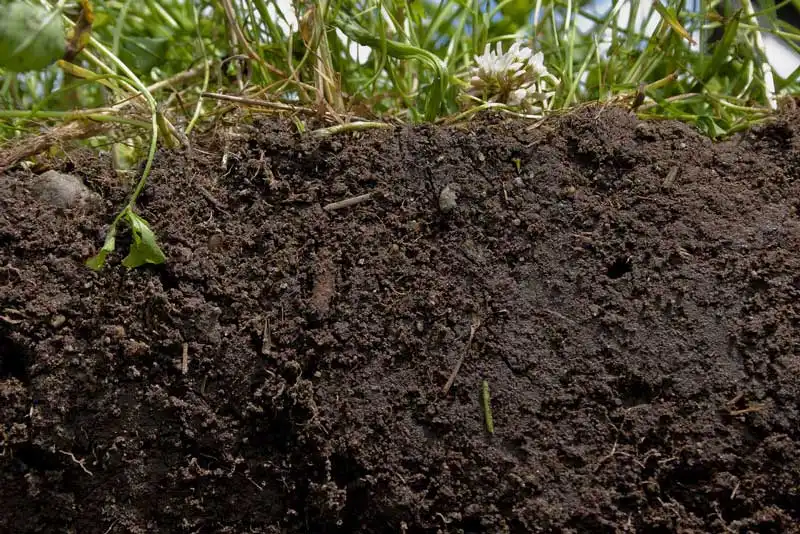
The fungal network creates soil aggregates, boosting aeration and water retention.
They protect roots
- A colonized root zone makes it harder for pathogens to attack roots.
- All these factors contribute to stronger, greener, faster-growing plants.
How to Use Mycorrhizae for Better Plant Growth
Mycorrhizae work only when they directly contact plant roots. They do not spread well in soil without a host plant, and they are not effective unless placed in the root zone. Here’s how to apply them correctly.
1. Using Mycorrhizae in Seed Starting
How to Apply:
- Add a pinch of dry mycorrhizae to each seed hole.
- Lightly mix into the first 1–2 cm of soil.
- Water gently to activate.
Benefits:
- Faster germination
- Stronger roots from day one
- Better survival during transplant
2. Applying Mycorrhizae When Planting Seedlings
This is the most effective stage to use mycorrhizae.

Steps:
- Dig the planting hole.
- Sprinkle 1–2 teaspoons of mycorrhizal powder directly where the roots will sit.
- Place the seedling so its roots touch the powder.
- Water to activate.
Best for:
- Tomatoes
- Peppers
- Flowers
- Fruit plants
- Trees and shrubs
3. Using Mycorrhizae for Potted Plants & Houseplants
Steps:
- Remove the plant from its pot.
- Dust mycorrhizae around the root ball.
- Repot with fresh soil.
- Water well.
Outcome:
Healthier indoor plants, less stress, better nutrient uptake even with minimal fertilizer.
4. Mycorrhizae for Established Plants

For plants already in the ground:
Method A: Soil Injection
- Use a stick or tool to poke holes around the root zone.
- Sprinkle mycorrhizae in the holes.
- Water deeply.
Method B: Root Drench
Mix a water-soluble mycorrhizal product and pour around the base of the plant.
Method C: Compost + Mycorrhizae Mix
Mix mycorrhizae into compost and apply around drip lines.
5. Using Mycorrhizae in Lawn Care
Apply during:
- Seeding
- Overseeding
- Sod installation
Spread granular mycorrhizae across the lawn before watering.
Benefits:
- Stronger root structure
- Thicker, greener grass
- Better drought tolerance
How Often Should You Apply Mycorrhizae?

Mycorrhizae usually require one proper application because once established, they continue multiplying inside the root zone.
However, reapply if:
- You disturb soil (tilling, digging)
- You use fungicides
- Plants suffer root damage
For potted plants, reapply during repotting every 12–18 months.
Troubleshooting Mycorrhizae Problems
| Problem | Possible Cause | Solution |
|---|---|---|
| Mycorrhizae not colonizing roots | Applied too far from root zone | Place product directly in contact with roots |
| Slow plant growth | High phosphorus fertilizer blocking fungi | Reduce P fertilizers, switch to organic feed |
| Mycorrhizae seem ineffective | Soil is waterlogged or compacted | Improve drainage, add compost |
| Plants still weak | Used fungicides that killed fungi | Avoid chemical fungicides, reapply mycorrhizae |
| Poor root development | Soil too sterile or sandy | Add organic matter, reapply near roots |
| Yellow leaves despite use | Nutrient deficiency due to pH imbalance | Check soil pH and adjust |
| Fungi dried before activation | Not watered after application | Water immediately after applying |
| No improvement in certain crops | Plant species does not support mycorrhizae | Avoid using with Brassicas (cabbage family) |

Best Practices for Maximum Benefits
1. Always apply at root contact
This is the MOST important rule.
2. Keep soil moderately moist
Mycorrhizae need moisture to activate but drown in soggy soil.
3. Avoid high-phosphorus fertilizers
P-rich fertilizers stop colonization.
4. Improve soil with organic matter
Compost increases fungal survival.
5. Apply during planting for best results
Seedlings benefit the most from early colonization.
Conclusion
Using mycorrhizae for better plant growth is one of the simplest and most effective ways to boost your garden or indoor plants naturally. These beneficial fungi strengthen root systems, improve nutrient absorption, increase drought resistance, and promote healthier overall growth.
Whether you’re planting seeds, transplants, or working with established plants, the key is to apply mycorrhizae directly to the roots and maintain healthy, well-aerated soil. With one application, you can enjoy stronger growth throughout the season.