Living in a drought-prone region doesn’t mean you must give up your dream of having a lush, vibrant garden. With the right water-efficient strategies, you can grow healthy plants, conserve water, and build a landscape that thrives even under harsh conditions. Water-wise gardening is not just a trend, it’s a necessity. As global temperatures rise and freshwater supplies become strained, gardeners are turning to innovative techniques to maintain beautiful gardens while minimizing water use.
This comprehensive guide explores the most effective water-efficient gardening strategies for drought areas, including soil improvement, plant selection, irrigation methods, mulching, smart design, and ongoing care. Whether you are a beginner gardener or someone looking to upgrade your landscape to something more sustainable, these strategies will help you nurture a garden that remains resilient and rewarding year-round.

1. Understand Your Climate and Soil
Water-Efficient Gardening
Before applying any water-saving techniques, you must understand the specific challenges of your region. Drought-prone areas vary in temperature, soil type, humidity levels, and seasonal rainfall patterns. Knowing these factors helps you choose the right plants and irrigation methods.
Know Your Soil Type
Drought areas often have:
- Sandy soil, which drains too quickly
- Clay soil, which drains too slowly
- Rocky or compact soil, which restricts root growth
Improve Soil Structure
Healthy soil holds water better and supplies nutrients efficiently.
Consider these steps:
- Add organic matter like compost, leaf mold, or aged manure
- Use mulch to reduce evaporation
- Avoid frequent tilling, which breaks soil structure

Well-amended soil acts like a sponge absorbing water during irrigation or rainfall and slowly releasing it to plant roots.
2. Choose Drought-Resistant and Native Plants
Choosing the right plants is one of the most effective water-saving strategies. Native and drought-tolerant species naturally thrive in your climate with minimal maintenance and reduced water consumption.
Benefits of Drought-Resistant Plants
- Require less water
- Resist heat stress
- Need fewer fertilizers
- Provide long-lasting beauty
Examples of Drought-Tolerant Plants
Trees: Olive, Acacia, Mesquite
Shrubs: Lavender, Sage, Rosemary
Perennials: Yarrow, Coneflower, Black-Eyed Susan
Groundcovers: Sedum, Ice Plant
Succulents & Cacti: Aloe, Agave, Echeveria
Grasses: Blue Fescue, Fountain Grass, Buffalograss

Selecting plants suited to your local climate ensures long-term garden sustainability.
3. Mulching: The Ultimate Water Saver
Mulch is a gardener’s best friend in drought-prone regions. It reduces water loss, controls weeds, and regulates soil temperature.
Types of Mulch
Organic Mulch
- Wood chips
- Straw
- Leaves
- Bark
- Compost
Organic mulch improves soil structure as it breaks down.
Inorganic Mulch
- Pebbles
- Gravel
- Landscape fabric
These options are long-lasting but do not enrich the soil.
How Thick Should Mulch Be?
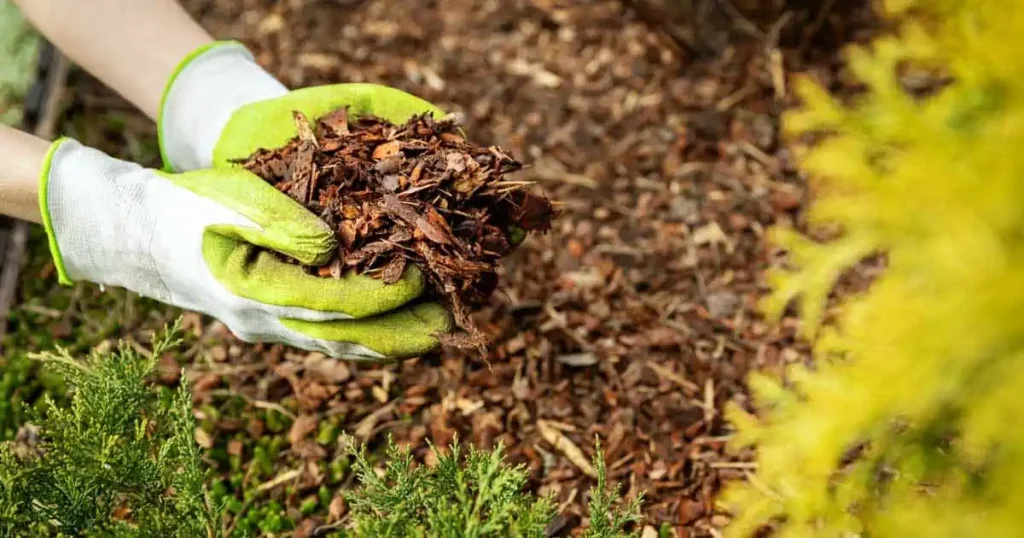
A 2–4 inch layer is ideal for most plants. Avoid piling mulch directly against stems or trunks, as this may cause rot.
4. Efficient Irrigation Techniques
Water-efficient irrigation is crucial for drought gardening. Traditional overhead sprinklers waste water through evaporation and runoff. Modern irrigation methods target plant roots directly, improving efficiency.
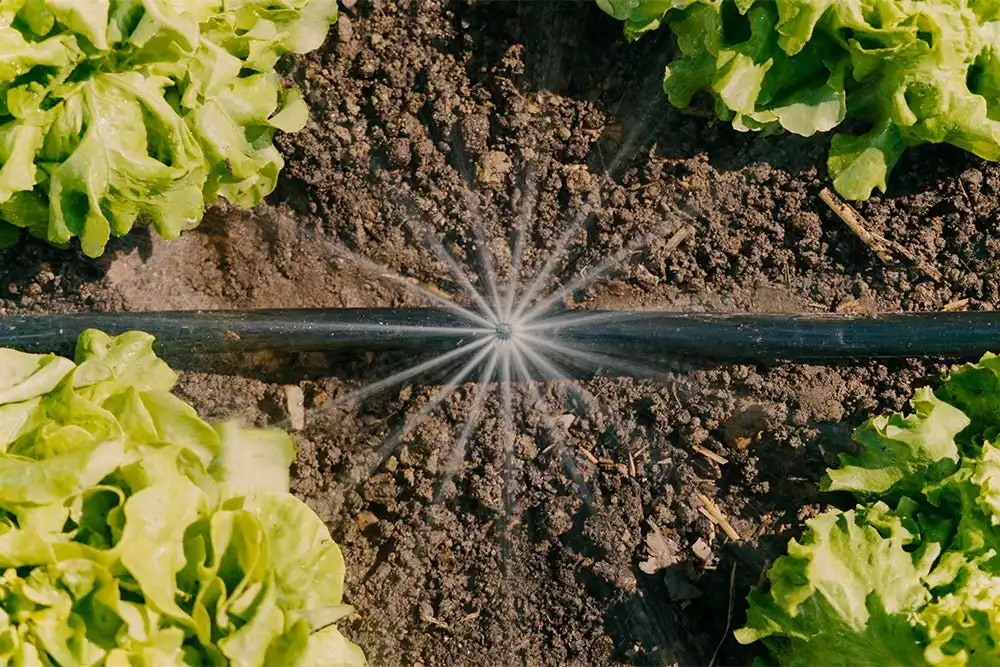
Drip Irrigation
- Delivers water slowly and directly to the soil
- Prevents evaporation
- Reduces weed growth
- Ideal for vegetable beds, shrubs, and trees
Soaker Hoses
- Easy to install
- Great for raised beds
- Prevents water waste
Smart Irrigation Controllers
These devices:
- Adjust watering schedules automatically
- Detect rainfall
- Monitor soil moisture
- Prevent overwatering
Smart controllers ensure your garden receives water only when needed.
5. Watering at the Right Time
Timing is critical for water conservation. The best time to water is early morning, typically between 5 AM and 9 AM. At this time:
- Temperatures are cooler
- Evaporation is lower
- Plants absorb water more effectively
Avoid watering during midday heat or at night, which can encourage diseases.
6. Design Your Garden for Water Efficiency
Water-wise garden design uses smart planning to maximize hydration while minimizing waste. It transforms how you place plants, shape the terrain, and organize irrigation zones.
Hydrozoning
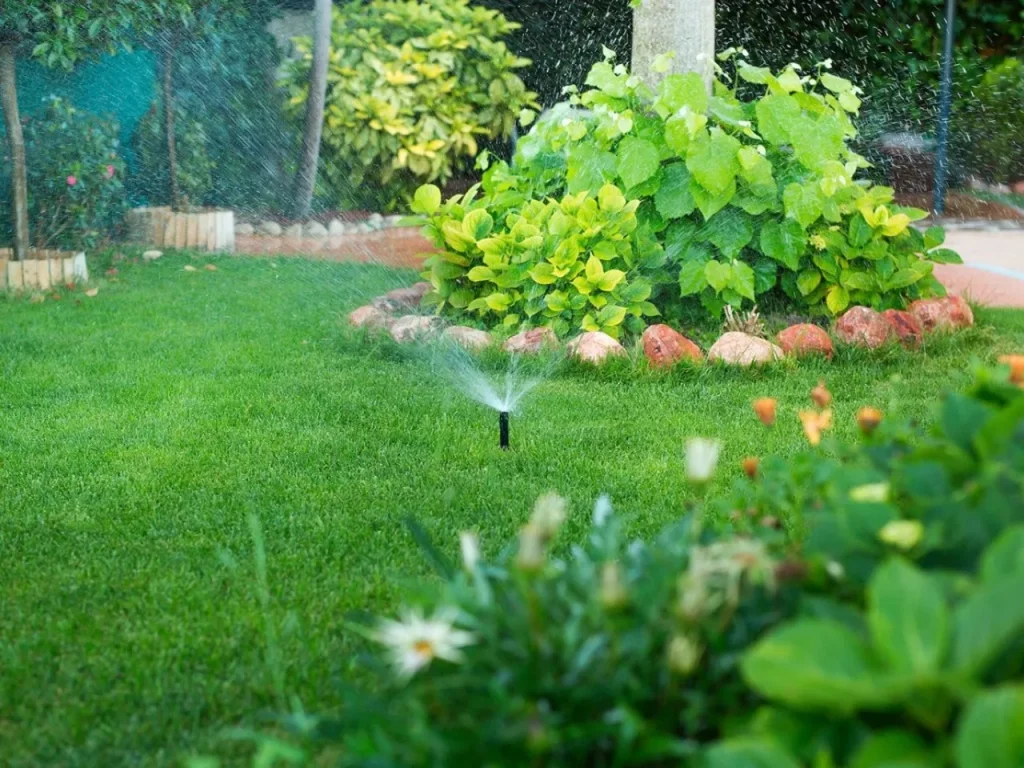
Group plants based on their water needs:
- High-water areas for vegetables or thirsty ornamentals
- Moderate-water areas for shrubs
- Low-water zones for succulents, cacti, and drought-resistant plants
This approach prevents overwatering and saves resources.
Contour Gardening
Use the natural shape of the land to manage water flow:
- Create gentle slopes
- Add swales to capture rainwater
- Install terraces on steep areas
Windbreaks
Strong winds increase evaporation. Planting hedges or installing screens reduces wind exposure and helps retain moisture.
7. Reduce Lawn Size or Use Drought-Tolerant Alternatives
Traditional grass lawns require enormous amounts of water. In drought areas, reducing lawn space or replacing it with alternatives can make a huge difference.
Alternative Lawn Ideas
- Artificial turf
- Gravel landscaping
- Groundcovers like creeping thyme or clover
- Native drought-tolerant grasses
Not only do these alternatives conserve water, but they also add character and diversity to your landscape.
8. Practice Proper Plant Care

Even drought-tolerant plants need some level of care, especially during establishment.
Essential Care Tips
- Prune dead or damaged stems to reduce stress
- Remove weeds that compete for water
- Monitor soil moisture regularly
- Apply fertilizer sparingly, too much increases water needs
With the right maintenance, your garden will stay resilient all year long.
Troubleshooting Table: Common Drought Garden Problems
| Problem | Possible Cause | Solution |
|---|---|---|
| Plants wilting despite watering | Watering too fast or shallow | Use deep watering; switch to drip irrigation |
| Soil drying out quickly | Poor soil structure; lack of mulch | Add compost; apply 2–4 inches of mulch |
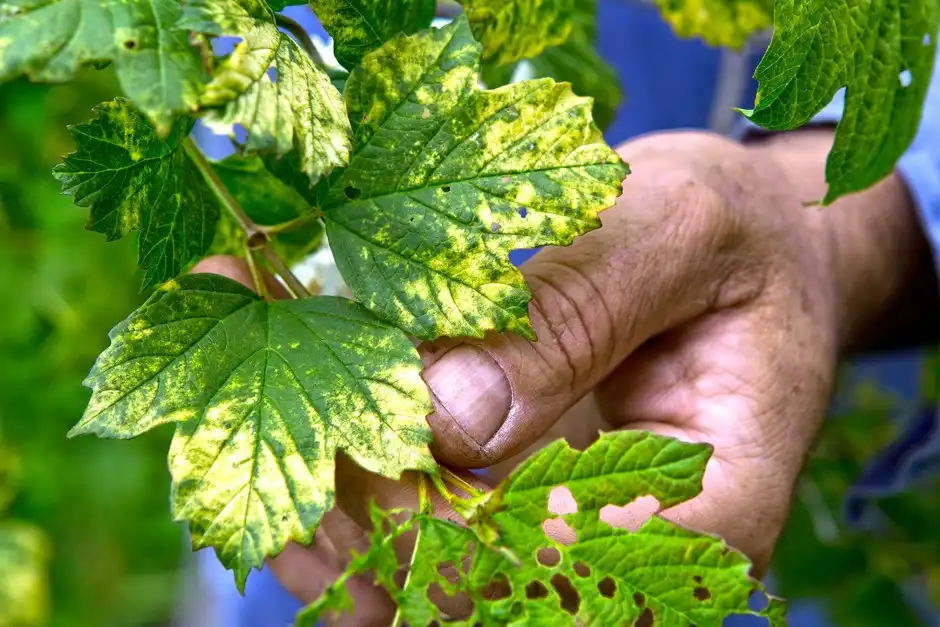
| Yellowing leaves | Overwatering or poor drainage | Reduce watering; improve soil aeration |
| Brown leaf tips | Heat stress or underwatering | Add shade; increase deep watering sessions |
| Cracks in soil | High clay content or drought stress | Add organic matter; avoid tilling |
| Weeds taking over | Overwatering or thin mulch | Mulch thicker; pull weeds early |
| Stunted plant growth | Wrong plant choice for climate | Replace with drought-tolerant natives |
| Water runoff during irrigation | Hard or sloped soil | Use contour gardening; slow irrigation rate |
Conclusion
Gardening in drought-prone areas may seem challenging, but with the right water-efficient strategies, you can create a beautiful and sustainable landscape that thrives with minimal water use. From selecting drought-resistant plants to improving soil quality, optimizing irrigation, and designing smart garden layouts, every technique helps conserve water and reduce stress on your plants.
These strategies not only support healthier gardens but also protect vital natural resources. By implementing even a few of these methods, you’ll be well on your way to cultivating a resilient, water-wise garden that remains vibrant—no matter how dry the climate becomes.