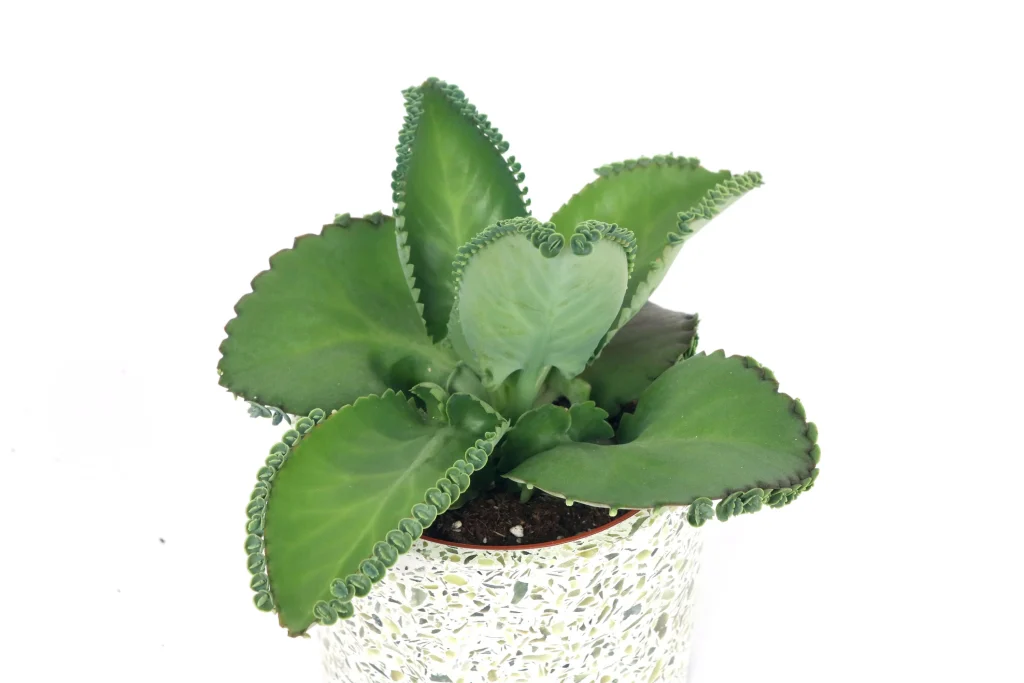
Kalanchoe Daigremontiana, commonly known as Mother of Thousands or Devil’s Backbone, is a striking succulent renowned for its unique ability to produce plantlets along its leaf edges. For example, these tiny plantlets make propagation exceptionally easy, creating a cascade of new plants with minimal effort. Native to Madagascar, this plant features fleshy, lance-shaped leaves with a bluish-green hue and spotted undersides, adding vibrant charm to any indoor or outdoor space. Consequently, this guide provides expert tips to successfully Kalanchoe Daigremontiana propagation, ensuring a thriving collection of these fascinating succulents.
Why Propagate Kalanchoe Daigremontiana?
Kalanchoe Daigremontiana is prized for its dramatic appearance and prolific propagation, making it a favorite among succulent enthusiasts. For instance, its plantlets can create dozens of new plants, perfect for filling pots, sharing with friends, or adding to mixed succulent displays. Moreover, it’s low-maintenance and drought-tolerant, thriving in USDA zones 9–11 outdoors or as a houseplant in cooler climates. As a result, propagating this succulent is an easy, rewarding way to expand your garden with vibrant, unique greenery.
Methods of Kalanchoe Daigremontiana Propagation
Kalanchoe Daigremontiana is primarily propagated through plantlets or stem cuttings. Below are detailed steps for each method, ensuring successful growth.
1. Propagating via Plantlets
- Choosing Plantlets: Select healthy plantlets that form along the leaf margins. For example, choose plantlets with small roots or nubs (about ½–1 inch long) for faster establishment. These tiny clones are ready to grow independently once they drop naturally or are gently removed.
- Preparing Plantlets:
- Gently pluck plantlets from the parent leaf using your fingers or tweezers, taking care not to damage their delicate roots.
- Alternatively, collect plantlets that have fallen naturally onto the soil or pot surface.
- Rooting Plantlets:
- Soil Rooting:
- Place plantlets on top of a well-draining succulent mix (equal parts potting soil, coarse sand, and perlite). Do not bury them, as their roots will grow downward naturally.
- Mist the soil lightly every 2–3 days to keep it barely moist, avoiding overwatering.
- Position in bright, indirect light, such as near a south-facing window with filtered light.
- Water Rooting (Optional): Though less common, plantlets can be placed in shallow water with roots submerged. Change water every 2–3 days and transfer to soil once roots are 1–2 inches long.
- Soil Rooting:
- Growth Timeline: Roots typically establish within 1–3 weeks, with new growth appearing in 4–6 weeks. Consequently, plantlets can be potted individually once they have 2–3 leaves.
2. Propagating via Stem Cuttings
- Choosing a Stem: Select a healthy, non-flowering stem (3–5 inches long) with vibrant leaves and no signs of pests or disease. For instance, stems with 2–3 nodes are ideal for rooting.
- Preparing the Cutting:
- Use clean, sharp scissors to make a clean cut just below a node.
- Remove lower leaves, leaving 2–3 leaves at the top to reduce moisture loss.
- Allow the cutting to dry in a shaded area for 1–2 days to form a callus, preventing rot.
- Rooting Cuttings:
- Soil Rooting:
- Plant the callused end 1–2 inches deep in a well-draining succulent mix.
- Water sparingly, keeping soil slightly moist every 3–5 days.
- Cover with a clear plastic bag for humidity, leaving a small opening for air circulation, and place in bright, indirect light.
- Water Rooting: Place the cutting in a jar of filtered water, submerging the node but keeping leaves dry. Change water every 2–3 days and transfer to soil once roots are 1–2 inches long.
- Soil Rooting:
- Transplanting: Roots form in 2–4 weeks. Therefore, transfer water-rooted cuttings to soil or treat soil-rooted cuttings as mature plants once established.
Step-by-Step Care for Propagated Kalanchoe Daigremontiana
1. Select the Ideal Location
- Light: Provide bright, indirect light or filtered sunlight (4–6 hours daily) for vibrant leaf color and healthy growth. For example, too much direct sun can scorch leaves, while too little light causes leggy growth.
- Temperature: Maintain 65–80°F, avoiding temperatures below 50°F. Protect from cold drafts or frost, especially in cooler zones.
- Humidity: Kalanchoe Daigremontiana prefers low to moderate humidity (30–50%). Consequently, avoid overly humid environments to prevent fungal issues.
2. Prepare the Potting Media
- Soil Type: Use a well-draining succulent or cactus mix. Alternatively, mix equal parts potting soil, coarse sand, and perlite for optimal drainage and aeration.
- Drainage: Ensure pots have drainage holes to prevent water accumulation, which can lead to root rot. For instance, terracotta pots are ideal for their breathability.
- pH Level: Aim for a slightly acidic to neutral pH (5.5–7.0). Test with a soil kit if needed and adjust with lime or sulfur as necessary.
3. Watering
- During Propagation: Keep soil slightly moist for soil-rooted plantlets or cuttings, misting or watering every 3–5 days. For water-rooted cuttings, change water every 2–3 days to maintain freshness.
- Established Plants: Water when the top inch of soil is dry, typically every 7–10 days in spring/summer and every 2–3 weeks in fall/winter. For example, soak the soil thoroughly, allowing excess to drain, to mimic desert conditions.
- Caution: Overwatering is a common issue. Therefore, ensure soil dries out between waterings to prevent rot.
4. Fertilizing
- Frequency: Feed established plants with a diluted, low-nitrogen succulent fertilizer (e.g., 5-10-10) every 4–6 weeks during spring and summer. For instance, use half-strength fertilizer to avoid burning roots.
- Avoid Over-Fertilizing: Excess fertilizer can cause weak growth or reduced plantlet production. Thus, skip fertilizing newly propagated plants for 6–8 weeks.
5. Maintenance
- Pruning: Trim leggy stems or remove dead leaves to maintain shape and encourage plantlet production. For example, pruning in spring promotes fuller growth.
- Cleaning: Gently remove dust from leaves with a soft, damp cloth to enhance photosynthesis and maintain vibrant color.
- Repotting: Repot every 1–2 years or when the plant outgrows its pot, using fresh succulent mix. Handle carefully to avoid dislodging plantlets.
- Pest Management: Monitor for mealybugs, aphids, or spider mites. Consequently, treat with insecticidal soap or neem oil and isolate affected plants.
Common Challenges and Solutions
- Leggy Growth: Caused by insufficient light. Therefore, move to a brighter location with 4–6 hours of indirect sunlight or use grow lights indoors.
- No Plantlets: Low light or nutrient deficiency. For instance, ensure adequate light and fertilize during the growing season to encourage plantlet formation.
- Pests: Mealybugs or aphids may appear, especially in humid conditions. As a result, treat with neem oil and improve air circulation to deter pests.
- Root Rot: Overwatering or poor drainage. Thus, use well-draining soil and water sparingly to keep roots healthy.
Tips for Success
- Propagation Ease: Kalanchoe Daigremontiana’s plantlets make propagation nearly foolproof. For example, a single leaf can produce dozens of new plants.
- Display Ideas: Use in mixed succulent arrangements, hanging baskets, or as a standalone accent to showcase its cascading plantlets.
- Indoor Benefits: This succulent is mildly air-purifying, improving indoor air quality while adding visual appeal.
- Zone Considerations: In zones 9–11, grow outdoors in frost-free areas. In contrast, zones 4–8 require indoor growth or container gardening with winter protection.
- Controlling Spread: Plantlets can spread rapidly, so remove excess to prevent overcrowding. Alternatively, share them with fellow gardeners.
Fun Facts About Kalanchoe Daigremontiana
- Mother of Thousands: Its nickname reflects the hundreds of plantlets it produces, creating a “family” of new plants.
- Toxic Caution: All parts are toxic if ingested, so keep away from pets and children. For instance, use caution when handling to avoid skin irritation.
- Drought Tolerance: Native to arid regions, it stores water in its leaves, thriving with minimal care.
Troubleshooting Table
| Issue | Cause | Solution |
|---|---|---|
| No plantlets | Low light or nutrient deficiency | Provide 4–6 hours of indirect light, fertilize during growing season. |
| Leggy growth | Insufficient light | Move to brighter indirect light or use grow lights indoors. |
| Pests | Mealybugs or aphids | Treat with insecticidal soap or neem oil; improve air circulation. |
| Root rot | Overwatering or poor drainage | Use well-draining soil, water only when top inch is dry. |
Conclusion
Propagating Kalanchoe Daigremontiana is a vibrant, effortless way to grow this unique succulent with its prolific plantlets and striking foliage. By using plantlets or stem cuttings, providing proper care, and addressing challenges promptly, you’ll enjoy a thriving display of Mother of Thousands. For example, with minimal effort, this plant transforms your home or garden into a lush, exotic haven. Start propagating today, and revel in the vibrant beauty of Kalanchoe Daigremontiana!