Introduction: Why Air Purifying Plants Matter in Your Home
Your home isn’t just where you relax; it’s where you breathe, and the air you breathe can significantly impact your health and well-being. The presence of Air Purifying House Plants in your home is more than just a decorative enhancement; it’s an essential step toward creating a healthier living environment. These plants work silently yet efficiently, filtering out toxins and improving air quality, which is especially crucial in indoor spaces where ventilation may be limited.
Everyday household items—such as furniture, paint, or cleaning products—can release harmful pollutants like formaldehyde, benzene, and ammonia. Additionally, dust, mold, and airborne bacteria can linger in the air. Breathing in these contaminants over time can adversely affect your health, causing everything from mild allergies to more serious respiratory issues. This is where air purifying plants can make a meaningful difference, acting as natural air filters to combat these pollutants.

Beyond their air-cleansing capabilities, these plants also play a role in maintaining an ideal humidity balance in your home. By emitting water vapor during transpiration, certain plants can reduce dryness in the air, which can otherwise irritate your skin, nose, and throat. For individuals who struggle with asthma or allergies, the benefits of cleaner and more humidified air are even more apparent.
Research, including NASA’s Clean Air Study, has highlighted the effectiveness of plants like peace lilies, snake plants, and pothos in removing toxins while enhancing oxygen levels. Coupled with their ability to thrive in low light and their minimal care requirements, these plants prove you don’t need a green thumb or perfect conditions to reap their benefits.
Understanding How Plants Purify Indoor Air
You might not realize it, but houseplants can do more than just brighten up your home—they actively improve the quality of the air you breathe. Through a process known as phytoremediation, houseplants absorb pollutants and toxins from the air around them. This happens primarily through their leaves, stems, and roots. When you place plants in your home, you allow them to naturally filter volatile organic compounds (VOCs) released by household products like paints, cleaning agents, and furniture.
Indoor plants take in carbon dioxide during photosynthesis and release oxygen into the air, refreshing your indoor environment. Additionally, their root-zone microorganisms play a pivotal role in breaking down toxic compounds. As pollutants enter the soil through the root systems, microbes feed on the toxins and convert them into harmless byproducts. This synergistic action between plants and their microorganisms helps maintain a fresher air quality inside.
Some of the most common toxins plants combat include benzene, formaldehyde, and trichloroethylene. For instance:
- Benzene is often found in adhesives, detergents, and tobacco smoke.
- Formaldehyde comes from furniture, paper goods, and synthetic fabrics.
- Trichloroethylene is typically present in printing inks, paints, and varnishes.
Certain houseplants, like peace lilies and snake plants, are especially effective at removing these toxins. They thrive in low-light conditions, making them ideal for spaces with limited natural light.
By increasing humidity levels, plants also reduce airborne dust particles and improve respiratory comfort. The purified air they create contributes to lower stress levels and enhanced mental clarity, making them as beneficial for your well-being as they are attractive to look at.
The Ideal Low-Light, Low-Maintenance Plants for Beginners
When considering houseplants that thrive in low-light environments and require minimal care, you have plenty of excellent options to refresh your living space. These plants are perfect for first-timers who may worry about overwatering or neglecting a plant’s needs. Here are some standout choices:
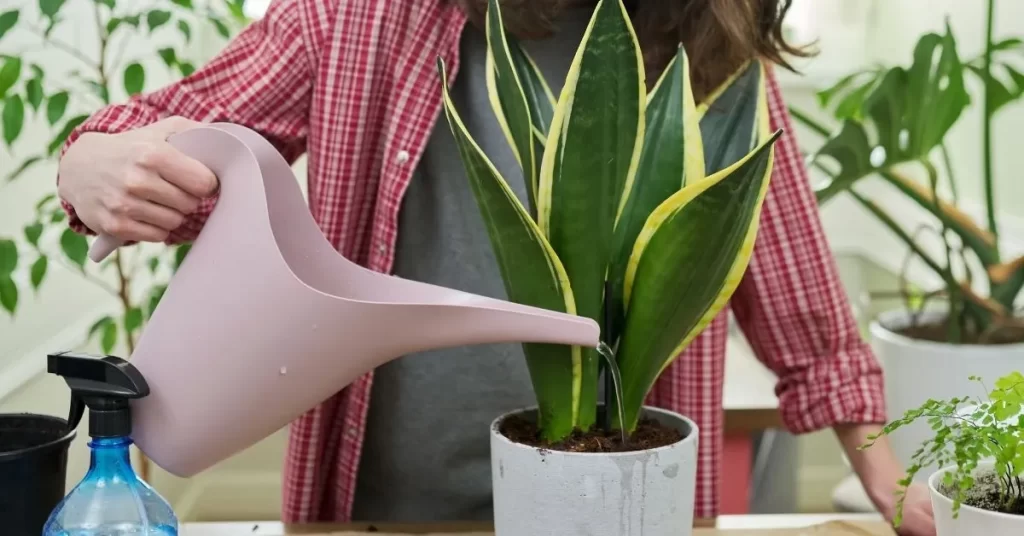
Snake Plant (Sansevieria)
- Snake plants are renowned for their resilience and adaptability to low-light conditions.
- They only need watering every few weeks, making them ideal for busy schedules.
- These hardy plants also help purify the air by removing toxins such as formaldehyde and benzene.
Pothos (Epipremnum aureum)
- Commonly known as Devil’s Ivy, Pothos is incredibly forgiving and thrives in indirect light.
- Its trailing vines add a decorative charm to shelves and hanging planters.
- You only need to water Pothos when the top inch of soil feels dry, which allows for flexible care routines.

Peace Lily (Spathiphyllum)
- Peace Lilies are both elegant and easy to maintain, thriving in shaded spaces.
- They only require occasional watering when the soil is dry to the touch.
- With their striking white flowers, they can uplift your space while improving indoor air quality.

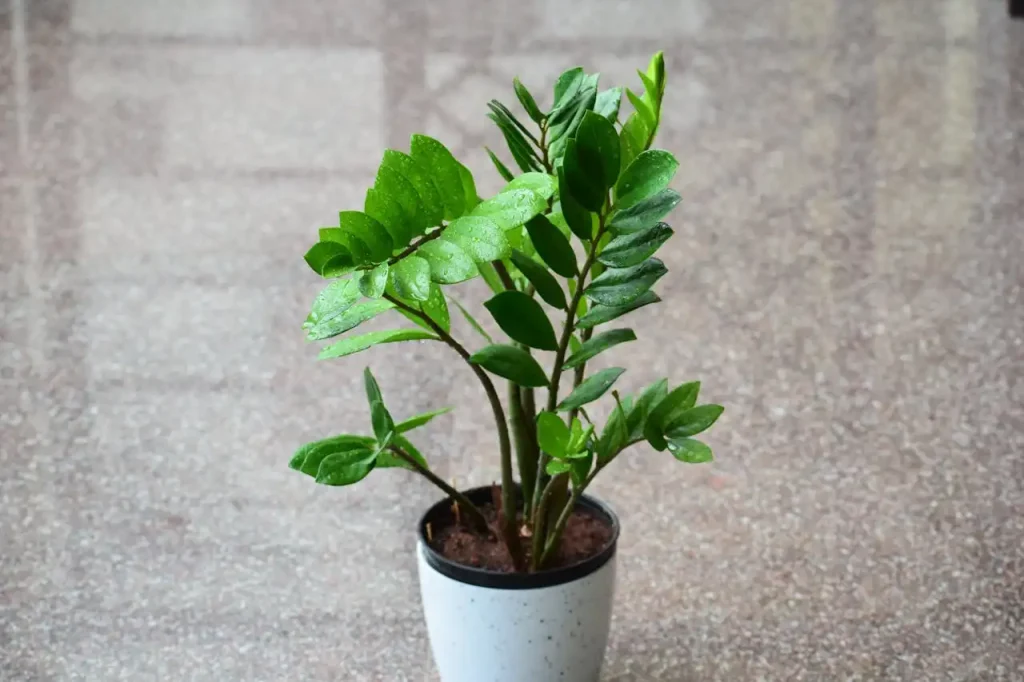
ZZ Plant (Zamioculcas zamiifolia)
- This hardy plant can tolerate low light and go weeks without water.
- ZZ plants grow glossy green leaves and are exceptionally forgiving to neglect.
- Their ability to filter toxins makes them a functional and aesthetic choice for your home.
Spider Plant (Chlorophytum comosum)
- Spider plants are adaptable and can thrive in both low and bright light conditions.
- They need watering about once a week and are well-suited for hanging baskets.
- These plants are also great at removing carbon monoxide and other pollutants from indoor air.

By selecting any of these plants, you can enjoy the benefits of greenery and cleaner air without the stress of high maintenance.
Snake Plant: A Resilient Air-Purifying Powerhouse
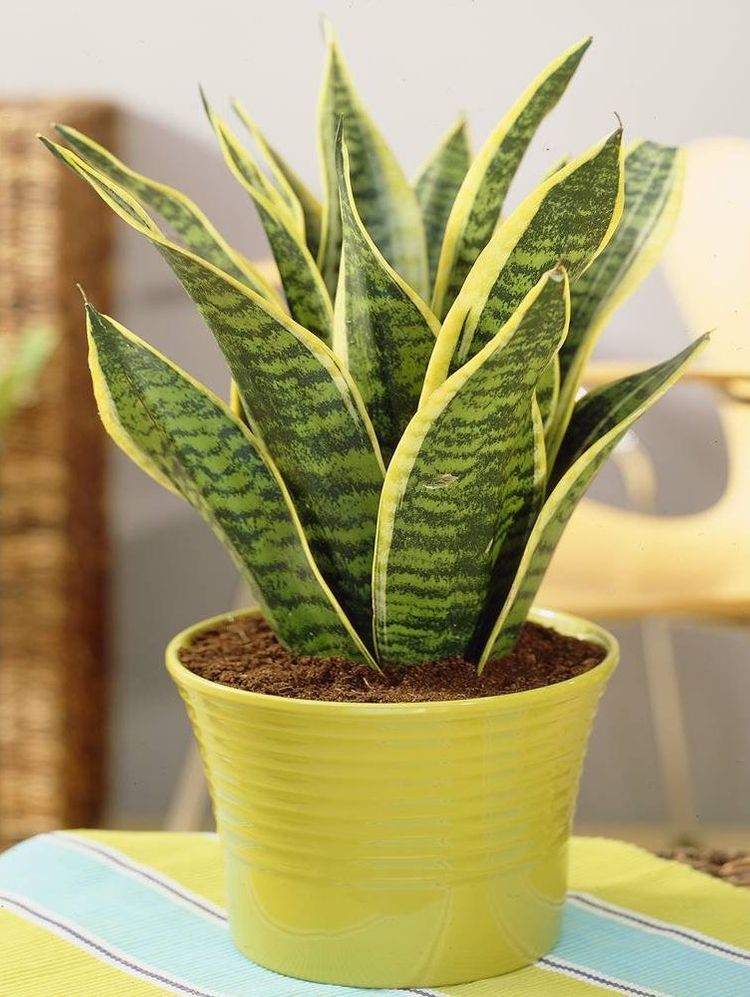
Snake plants, also known as Sansevieria or Dracaena trifasciata, are among the most durable and low-maintenance houseplants you can choose. These striking plants, with their elegant upright leaves and green variegated patterns, are highly valued for their ability to thrive in low-light conditions and improve indoor air quality. If you’re looking for a plant that practically takes care of itself, this one is an ideal choice.
Air-Purifying Benefits
Snake plants are exceptional natural air purifiers. NASA’s Clean Air Study identified them as one of the top plants for eliminating toxins such as formaldehyde, benzene, and xylene from indoor environments. They also absorb carbon dioxide during the night and release oxygen, making them perfect for bedrooms. By introducing a snake plant into your home, you not only add a touch of greenery but also improve air circulation and overall air quality.
Resilience and Adaptability
You’ll appreciate how forgiving snake plants are. They can tolerate extended periods of neglect and flourish under conditions where other plants might struggle. Snake plants withstand low-light environments, though they also adapt well to brighter, indirect light. Whether placed in a corner or near a window, they continue to thrive. Their drought-resistant nature means you don’t have to worry about frequent watering, making them perfect for busy lifestyles.
Care Requirements
Snake plants require minimal care. You should allow the soil to dry out fully between waterings, as overwatering can lead to root rot. They grow best in well-draining soil, and occasional fertilization during the growing season will keep them vibrant. These plants grow slowly, so you won’t need frequent pruning or repotting. Simply wipe the leaves occasionally to remove dust and keep them looking fresh.
Versatility in Styling
With their bold architectural shape, snake plants complement any decor style, from modern to traditional. Their upright leaves create visual interest, and they come in various sizes to fit different spaces. Whether placed in a sleek pot or a rustic container, they effortlessly enhance the aesthetic of your rooms.
Snake plants truly stand out as one of the most resilient, low-maintenance, and stylish options for beginners and experienced plant enthusiasts alike.
Pothos: Effortless Elegance with Remarkable Air Cleaning
Pothos, also known as Devil’s Ivy, is one of the most rewarding houseplants you can add to your home. With its trailing vines and heart-shaped leaves, this plant introduces natural beauty to any interior space while demanding minimal effort on your part. Whether you’re an experienced plant parent or just beginning your greenery journey, Pothos is a versatile choice that thrives even in less-than-ideal conditions.
You’ll appreciate how effortlessly Pothos adapts to low-light environments. It can tolerate anything from bright, indirect light to dim corners that other plants might shun. This means your Pothos will thrive in bedrooms, offices, or other spaces lacking natural sunlight. If you’re looking for decorative flexibility, its vining growth can be left to trail gracefully from a hanging basket or guided along a trellis to create living wall art.

Beyond its aesthetic allure, Pothos is a powerful air purifier. According to research by NASA, this plant is capable of filtering out airborne toxins like formaldehyde, benzene, and xylene, improving the quality of the air you breathe. It’s a practical solution for creating a healthier environment without sacrificing style.
Caring for a Pothos is straightforward. You only need to water it when the top inch of soil feels dry to the touch. Also, Pothos is highly forgiving if you forget a watering or two. It doesn’t require fertilizer often but will respond well to occasional feeding during its active growing season.
Pothos is also pet-friendly if hung out of reach, making it suitable for households with curious animals. It propagates easily through cuttings, offering you the chance to expand your collection or share its charms with friends.
Peace Lily: Purify Your Home with Minimal Care
The Peace Lily, known scientifically as Spathiphyllum, is an elegant and low-maintenance houseplant that naturally purifies the air in your home. Its deep green leaves and graceful white blooms make it a stunning addition to any indoor space while requiring very little effort to thrive. If you’re looking for a plant that combines beauty with functionality, this plant is a top contender.
This plant is highly effective at removing toxins such as benzene, carbon monoxide, and formaldehyde from the air. According to NASA’s Clean Air Study, the Peace Lily significantly improves indoor air quality by filtering common airborne pollutants, making it particularly suitable for urban homes or offices. You’ll likely notice an improvement in the freshness and cleanliness of your space with one or more Peace Lilies around.

The Peace Lily thrives in low-to-medium, indirect light. This means you can place it in areas such as dim corners, shaded desks, or spaces away from direct sunlight. Bright, direct light can scorch its leaves, so a little shade is actually ideal. When it comes to watering, you only need to ensure its soil remains slightly moist. It’s forgiving if you forget to water it occasionally, as it can tolerate short periods of drought. However, overwatering may cause root rot, so moderation is key.
One of the most useful indicators of its needs is the plant itself—its leaves may droop when thirsty but perk up soon after watering. Additionally, it’s mildly toxic to pets if ingested, so you’ll want to keep it out of their reach. With its striking aesthetics and ability to freshen your home, the Peace Lily exemplifies beauty and function with minimal care.
ZZ Plant: The Survivor’s Guide to Clean Air Indoors
The ZZ plant, short for Zamioculcas zamiifolia, is one of the most resilient houseplants around. If you’ve struggled to keep plants alive, this species is your perfect match. Native to Eastern Africa, it’s renowned for thriving under less-than-ideal indoor conditions, making it ideal for low-light spaces. Its thick, glossy, green leaves not only brighten up your décor but also help improve your indoor air quality by filtering toxins like xylene, toluene, and benzene.
You don’t need a green thumb to care for the ZZ plant. It tolerates neglect remarkably well, meaning waterings can be sporadic. This plant stores moisture in its rhizomes, so it can survive even if you forget to water it for weeks. Just make sure the soil is dry before you water again—it hates soggy roots. Overwatering can cause root rot, so less is more when it comes to hydration.
Light isn’t an obstacle for this hearty plant. Low-light rooms, corners without windows, and spaces illuminated with artificial lighting are suitable environments. That said, it can also handle bright, indirect light, if you have sunnier spots. While it’s adaptable, direct sunlight can scorch its glossy leaves.
The ZZ plant is a slow grower, so you won’t have to worry about frequent pruning. If its foliage gets dusty, simply wipe the leaves gently with a damp cloth to ensure maximum air-purifying benefits. It’s also naturally resistant to pests, making it a worry-free option for novice plant caretakers. However, remember the ZZ plant is mildly toxic if ingested, so keep it out of reach of kids and pets.
Whether your goal is to purify the air or add lush greenery to your space, the ZZ plant is a low-maintenance, stylish choice that works well in almost every indoor environment.
Parlor Palm: Adding a Tropical Touch to Your Space
If you’re looking to create a serene environment reminiscent of tropical retreats, the parlor palm (Chamaedorea elegans) is an excellent choice for your home. Known for its delicate fronds and ability to enhance any space with lush greenery, the parlor palm is an ideal air-purifying, low-light house plant that requires minimal effort to maintain.
How the Parlor Palm Purifies Air
The parlor palm is a natural air purifier that absorbs carbon dioxide and releases oxygen, helping to improve indoor air quality. Studies suggest that palms like this effectively filter out toxins such as formaldehyde, benzene, and other volatile organic compounds commonly found in household items and furniture.

Light and Climate Needs
You’ll find the parlor palm thrives in indirect light, making it suitable for shaded corners of your living room, office, or bedroom. Even in spaces with limited natural light, the plant grows well, provided you don’t expose it to direct sunlight, which can scorch its delicate fronds.
Watering and Maintenance
Maintaining this plant is simple. Once the soil feels dry to the touch, water it thoroughly and ensure proper drainage to prevent root rot. Overwatering damages its root system, so monitor soil moisture carefully. Additionally, the plant prefers moderate humidity levels, making occasional misting beneficial for maximum leaf health.
Styling Tips
The parlor palm’s feathery structure can act as a decorative element, offering a regal yet understated tropical aesthetic. Place it in elegant ceramic pots or wicker baskets to complement bohemian or minimalist decor styles.
Your parlor palm not only introduces a touch of paradise to your space but also contributes to a healthier, more refreshing indoor environment. With minimal upkeep, you can enjoy its beauty for years to come.
Rubber Plant: Stylish, Hardy, and Air-Enhancing
The rubber plant (Ficus elastica) is a fantastic choice when you’re looking to add flair and functionality to your indoor space. Known for its bold and glossy leaves, this plant stands out as both a decorative asset and a natural air purifier. Its sturdy nature and ability to thrive in low-light settings make it ideal for homes and offices, especially if you lack bright, sunny windows.
You’ll find the rubber plant easy to care for, whether you’re a seasoned plant enthusiast or just starting out. It tolerates a variety of indoor conditions, including dry air and fluctuating room temperatures. Unlike delicate plants that demand constant attention, the rubber plant prefers to be watered only when the top inch of soil feels dry, making it perfect for busy lifestyles. A fast-draining potting mix and a container with drainage holes will help prevent overwatering, which can damage its roots.
As an air-enhancer, the rubber plant does more than just look beautiful. It works to remove common indoor pollutants such as carbon dioxide, formaldehyde, and other toxins from your environment. Its ability to improve air quality can help make your indoor space healthier while reducing allergens that contribute to respiratory issues.
While the rubber plant can tolerate low light, placing it in indirect sunlight encourages its leaves to grow richer and glossier. If you want its growth more compact and manageable, periodic pruning will keep it from becoming leggy over time. It’s a stylish option that you’re likely to find adaptable to any interior decor, whether modern, eclectic, or rustic.
Dracaena: The Versatile Plant for Cleaner Air
Dracaena is one of the most dependable houseplants if you’re looking to improve your indoor air quality effortlessly. It thrives in low-light conditions, making it ideal for homes or offices with limited sunlight. With its striking sword-like leaves, Dracaena adds an elegant touch to your space while working hard to purify the air you breathe.
Air Purifying Benefits
Dracaena is famous for its ability to remove harmful toxins such as benzene, formaldehyde, trichloroethylene, and xylene from the air. These chemicals can be found in everyday household items like cleaning products, paints, or plastics. By introducing a Dracaena plant into your home, you’re essentially adding a natural air filter that contributes to a healthier indoor environment.

Types of Dracaena to Consider
Dracaena comes in several varieties, allowing you to find one that complements your décor and space requirements. Here are a few popular options:
- Dracaena marginata (Dragon Tree): Recognized for its narrow leaves with red edges, this variety is perfect for vertical spaces.
- Dracaena fragrans (Corn Plant): Known for its wide, arching leaves, this type fits well in larger containers.
- Dracaena compacta (Compact Janet Craig): A smaller, denser option preferred for desks or smaller apartments.
Care Instructions
One of the best features of Dracaena is its low-maintenance nature. Here’s how you can care for it:
- Lighting: A moderate-to-low light location works well, but avoid direct sunlight to prevent leaf damage.
- Watering: Allow the soil to dry partially before watering. Over-watering can cause root rot.
- Temperature and Humidity: Keep it in a space with temperatures between 65–80°F and moderate humidity levels.
Additional Benefits
Dracaena also acts as a natural humidifier, releasing moisture into the air as it grows. This can help combat dry indoor air during colder months. With its aesthetic appeal and air-purifying properties, the Dracaena makes an excellent addition to any living space.
Spider Plant: The Classic, Easy-to-Care-For Air Filter
The spider plant is one of the most popular and beginner-friendly houseplants you can bring into your home. Known for its long, arching green leaves with lighter stripes or variegations, the spider plant is aesthetically pleasing while working to improve indoor air quality. You’ll appreciate this plant’s ability to thrive in low-light settings, making it an ideal choice for apartments, offices, or any spot lacking direct sunlight.
Spider plants are incredibly forgiving, requiring minimal upkeep. They flourish in bright, indirect light but can adapt to low-light conditions without wilting. You only need to water them when the soil feels dry to the touch, avoiding overly wet or soggy soil. Thanks to their robust nature, you won’t need to worry about frequent pruning—this plant essentially maintains itself.
These plants are proven air purifiers, helping to remove toxins like carbon monoxide, formaldehyde, and xylene from your space. They suit kitchens, living rooms, and bedrooms, where they combat indoor pollution effectively while adding a touch of greenery. If you’re concerned about humidity, you’ll be glad to know spider plants tolerate dry air well, though occasional misting can promote healthier growth.
One of the spider plant’s unique features is its ability to produce “spiderettes,” or baby offshoots, which hang from the mother plant like tiny spiders on a web. You can propagate these to grow new plants in other areas of your home, further enhancing its value. The spider plant is non-toxic, making it safe for households with pets or young children.
Whether placed in a hanging basket, on a shelf, or in a small pot, the spider plant requires minimal space and offers maximum aesthetic appeal. Its bright green foliage adds vibrancy to any room without demanding your time.
How to Choose the Right Plant for Your Space and Lifestyle
When selecting an air-purifying houseplant, you need to consider several factors to match its care requirements with your space and daily routine. Making the right choice ensures your plant thrives while improving your home’s air quality.
Evaluate Your Lighting Conditions
Start by assessing how much natural light your room receives. Low-light plants like snake plants and peace lilies are excellent for spaces with minimal sunlight. If your room has bright, indirect light, you can explore additional options like parlor palms or rubber plants. Observe how the light changes throughout the day as some areas might get morning sun but remain dim later.
Consider Your Time and Effort
If you’re frequently busy or forget to water plants, choose low-maintenance options. Plants such as zZ plants or pothos can survive with infrequent watering and minimal attention. They’re forgiving and adaptable, making them ideal if you don’t have a lot of time to invest.
Match Plants to Your Space
Think about the size of your room and where you’ll place the plant. Vertical growers like bamboo palms work well in corners or tight spaces, while trailing plants such as philodendrons look great on shelves or in hanging pots. For small spaces like bathrooms, compact plants like ferns or heartleaf philodendrons can be good choices.
Assess Lifestyle Needs
If you have pets or small children, choose non-toxic plants to avoid potential hazards. Areca palms and calatheas are safe alternatives for homes with curious creatures. Additionally, think about your climate—if you live in a dry environment, opt for plants like succulents that handle low humidity well.
Selecting a plant that fits your living conditions ensures it thrives while enhancing your indoor environment with clean, fresh air.
Basic Care Tips to Ensure Your Air-Purifying Plants Thrive
To keep your air-purifying plants healthy and thriving, it’s essential to follow some straightforward care practices tailored to their unique needs. These plants are typically low-maintenance, but they do require attention to ensure optimal growth and functionality as indoor air filters.
1. Watering Properly
- Know their water preferences: Some plants prefer consistently moist soil, while others, like succulents, thrive in dry conditions. Research each plant’s specific watering needs.
- Avoid overwatering: Use pots with drainage holes to prevent root rot. Always check the soil moisture before watering. If the top inch of soil feels dry, it’s usually time to water.
- Use room-temperature water: Avoid cold or hot water, as it may shock the plant’s roots.
2. Light Requirements
- Choose appropriate locations: Low-light air purifying plants like snake plants and pothos can thrive in shaded corners, but they still need indirect light to stay healthy.
- Rotate periodically: If your plant tends to grow towards light sources, rotate it every few weeks to promote balanced growth.
- Supplement light as needed: If your home lacks natural light, consider investing in grow lights to ensure your plant receives adequate energy.
3. Monitor Humidity Levels
- Maintain the right humidity: Most air-purifying plants, such as ferns and peace lilies, prefer moderate to high humidity levels. Mist plants occasionally or place a humidifier in the room.
- Group plants together: Arranging multiple plants in a single space can boost humidity naturally as they release moisture into the air.
4. Regular Pruning and Cleaning
- Dust leaves: Gently wipe leaves with a damp cloth to remove dust that can block light absorption and hinder photosynthesis.
- Trim dead or yellowing foliage: Regularly pruning your plant prevents pests and redirects energy to healthier growth.
5. Choose the Right Soil and Fertilizer
- Use well-draining soil: For most indoor plants, a potting mix designed for houseplants works best.
- Fertilize sparingly: Feed your plants during the growing season, usually spring and summer, using a balanced, water-soluble fertilizer. Avoid over-fertilizing, which may damage roots.
6. Watch for Pests and Diseases
- Inspect leaves regularly: Check for signs of pests, such as spider mites or aphids. Early detection prevents infestations.
- Use natural remedies: If you spot pests, try a mild soapy water spray or neem oil solutions to keep them at bay.
By providing the right balance of water, light, humidity, and nutrients, your air-purifying plants will flourish, enhancing the beauty of your space while improving air quality.
Common Challenges and How to Overcome Them
When taking care of air-purifying house plants, you might encounter some common issues. Here’s how to address them effectively to ensure your plants thrive, even with minimal effort.
1. Brown or Yellowing Leaves
- Cause: Overwatering or underwatering is often the culprit. Low humidity can also stress certain plants.
- Solution: Check the soil’s moisture before watering. Water your plant only when the top inch of soil feels dry. Increase humidity by misting the leaves or placing a small bowl of water nearby.
2. Pests Like Gnats or Spider Mites
- Cause: Pests may grow in overly damp or poorly-drained soil, or they may come from other infested plants.
- Solution: Use insecticidal soap or neem oil spray to treat the infestation. Make sure your plants are in well-drained pots, and always inspect new plants before bringing them home.
3. Leggy Growth or Drooping
- Cause: Insufficient light or inconsistent watering often causes this issue.
- Solution: Though these plants tolerate low light, ensure they receive some indirect sunlight. Rotate your plants occasionally to keep their growth balanced. For watering, establish a regular schedule appropriate to the plant’s needs.
4. Stunted Growth
- Cause: Plants in pots for extended periods may develop compacted roots or lack essential nutrients.
- Solution: Repot your plant every 1-2 years in fresh soil with adequate drainage. Add a diluted, all-purpose liquid fertilizer during the growing season.
5. Mold or Mildew on Soil
- Cause: Overwatering, poor lighting, or poor air circulation creates this problem.
- Solution: Allow the soil’s surface to dry out between waterings. Avoid overcrowding plants and keep them in areas with good airflow. Scrape off visible mold and replace the top layer of soil if necessary.
6. Plant Not Filtering Air Effectively
- Cause: A dusty plant surface prevents optimal air purification.
- Solution: Wipe the leaves gently with a damp cloth every couple of weeks to remove dust and promote healthy airflow.
Addressing these challenges promptly ensures your air-purifying plants maintain their health and air-cleaning abilities. A little effort goes a long way in creating a more livable, vibrant home environment.
Conclusion: Bringing Health and Style Together with Air-Purifying Plants
When you incorporate air-purifying plants into your home, you are not only enhancing its aesthetic appeal but also actively contributing to your overall well-being. These plants can transform your indoor environment by filtering out toxins, boosting oxygen levels, and creating a calming natural ambiance. As someone seeking both practicality and beauty, low-light, low-maintenance options are ideal for adding that extra touch of health and style seamlessly into your daily life.
Air-purifying plants such as snake plants, pothos, and peace lilies thrive in conditions that require minimal upkeep, which makes them perfect for busy lifestyles. You don’t need to be a seasoned gardener to care for these plants. Just ensure moderate watering routines and occasional upkeep, and they’ll reward you with their resilience and air-cleaning abilities. Position them in spaces like shaded corners or shelves, where they can thrive without direct sunlight.

Designing different rooms of your home with these plants allows you to be creative in how you connect nature with your decor. For instance, a spider plant hanging in an airy kitchen or a Philodendron tucked neatly into a cozy bedroom corner can bring balance and tranquility to deeper levels. Their visual variety also fits seamlessly into minimalist interiors, modern aesthetics, or even rustic designs.
Let these plants be a harmonious blend of functionality and visual appeal. Transform your living spaces into a healthy environment that feels alive and vibrant. By adding air-purifying plants, you’re not just curating beauty; you’re nurturing a meaningful connection to nature inside your home.